


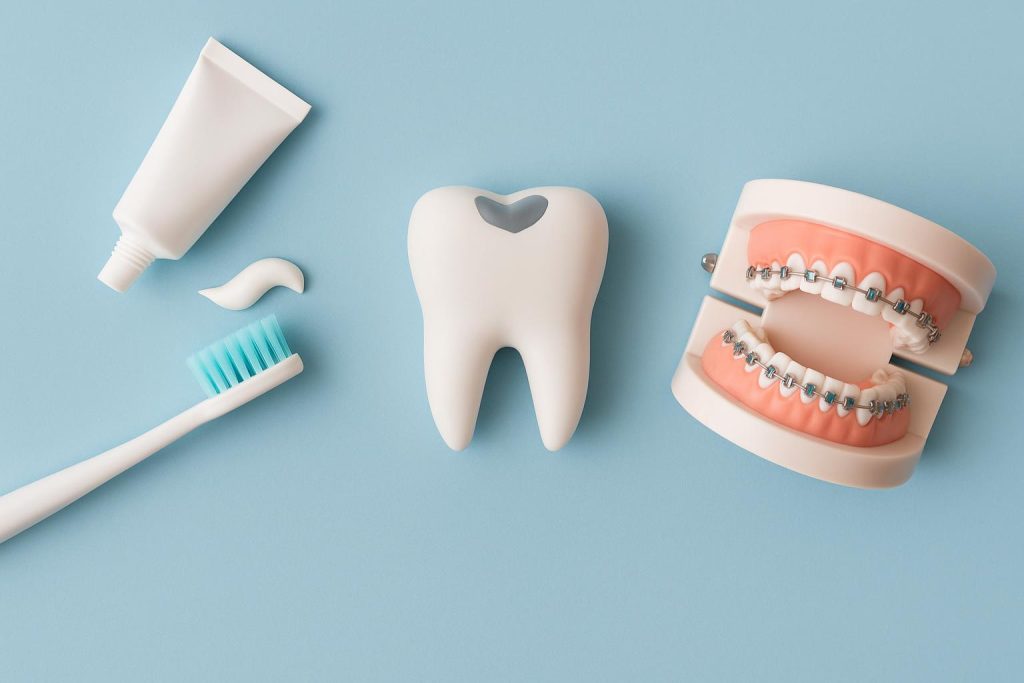
You might be feeling a mix of worry and guilt every time you think about the dentist in Troy, MI. Maybe your child has a small dark spot on a molar, your partner keeps putting off a cleaning, or you are wondering if that sensitive tooth means something serious. You know you should schedule a visit, yet the unknowns make it easy to push it to “next month.”end
Because of this tension, you might wonder what actually happens at a family dental office. What do family dentists really do all day, and which treatments matter most for your family’s health and budget?
Here is the short version. Most of the time, family dentistry is not about drills and emergencies. It is about three core treatments that quietly protect your teeth. Those are routine exams and cleanings, cavity care including fillings and sealants, and gum disease treatment. When you understand these, the whole experience feels less scary and more like a practical part of taking care of your body, just like a yearly physical.
Why does going to a family dentist feel so stressful in the first place?
Think about how these visits usually start. You take time off work or school, sit in a waiting room, hear the distant sound of dental tools, and wonder what the bill will look like if they “find something.” It is no surprise that many adults delay care until they are in pain.
The problem is that teeth do not heal on their own. A small cavity can turn into a broken tooth. Mild bleeding gums can progress to bone loss and loose teeth. The Centers for Disease Control and Prevention explains that untreated gum disease is a major cause of adult tooth loss, not just “getting older.” You can read more about that in their overview of tooth loss causes and gum disease.
When care is delayed, treatment becomes more complex and more expensive. A simple filling that could have taken 30 minutes turns into a root canal and crown. What began as “I am too busy for a cleaning” becomes “I have to find a way to pay for major work.” That is the painful “after” many people are trying to avoid.
So where does that leave you? It helps to understand the three common treatments that most family dentists provide, and how each one can prevent that spiral.
How do exams and cleanings quietly protect your whole mouth?
The foundation of family dental care is the routine exam and professional cleaning. It might sound simple, yet this is where most problems are caught when they are still small and easy to treat.
During a typical visit, the hygienist removes plaque and tartar that regular brushing and flossing cannot reach. This is not just about a polished smile. The CDC highlights that professional cleanings combined with daily care at home are key for preventing decay and gum disease. If you want straightforward guidance on brushing, flossing, and fluoride, the CDC has helpful oral health tips for adults.
Then the dentist steps in. They check for cavities, worn fillings, cracked teeth, early gum disease, and even signs of conditions like diabetes or sleep apnea that sometimes show up in the mouth first. X rays may be taken to see between teeth and under old work where problems like to hide.
Imagine a small cavity between two back teeth. You might not feel anything yet. At a routine visit, the dentist sees it early, treats it with a simple filling, and you go home in under an hour. Skip visits for a few years and that same spot can reach the nerve, cause sharp pain at night, and require far more involved treatment. The difference is not luck. It is timing.
What happens when a family dentist finds a cavity?
When decay is found, the most common family dentist treatment is a filling. The idea is straightforward. The dentist removes the decayed part of the tooth and replaces it with a strong material, often a tooth colored composite that blends with your natural enamel.
Many people worry that a filling means they “failed” at brushing. That is not true. Cavities are influenced by many things. Diet, genetics, dry mouth from medications, and even deep grooves in the chewing surfaces of molars can all play a role. The American Dental Association explains other causes and prevention ideas in its patient resource site, which you can explore in more depth through this guide to common oral health topics.
For children and some adults with very deep grooves, your family dentist may suggest dental sealants. Sealants are thin protective coatings applied to the chewing surfaces of back teeth. They act like a shield, making it harder for bacteria and food to settle into tiny pits and start to decay.
Research shows that sealants can greatly lower the risk of cavities on those chewing surfaces. The National Institute of Dental and Craniofacial Research shares a short explanation in its handout on how sealants help “seal out” tooth decay. If your child has had several cavities already, asking your family dentist about sealants can be a smart preventive step.
Why do gums matter so much in family dentistry?
The third common treatment in general family dentistry focuses on your gums and supporting bone. Healthy gums are firm, pale pink, and do not bleed when you brush. When bacteria in plaque stay along the gumline, they cause inflammation. This early stage is called gingivitis.
Gingivitis often shows up as puffy, red gums that bleed when you floss. The good news is that it is reversible with professional cleaning and good home care. If it is not addressed, it can progress to periodontitis. That is when the bone that holds your teeth in place starts to break down.
Family dentists treat gum disease in stages. They may start with a deeper cleaning called scaling and root planing. In this procedure, the hygienist and dentist clean below the gumline and smooth the tooth roots so bacteria have fewer places to hide. In more advanced cases, they may work with a gum specialist, but the first line of defense usually begins in that familiar family dental chair.
How do these common treatments compare in effort, cost, and impact?
It can help to see how these three services stack up when you are deciding what to prioritize, especially if time or money is tight.
| Treatment | Typical Purpose | Time & Frequency | Relative Cost | Long term Impact |
|---|---|---|---|---|
| Exam & Cleaning | Prevent problems, catch issues early | About 45 to 60 minutes, usually every 6 months | Lowest per visit, often covered well by insurance | Reduces risk of cavities, gum disease, and dental emergencies |
| Fillings & Sealants | Treat small cavities and protect at-risk teeth | About 30 to 60 minutes per area | Moderate, cost rises if cavities are large or many | Preserves tooth structure and helps avoid root canals or extractions |
| Gum Disease Treatment | Control infection and stop bone loss | Often 1 to 4 visits, then regular maintenance | Higher short-term cost, but protects existing teeth | Lowers risk of tooth loss and may support overall health |
If you feel overwhelmed, start by focusing on what causes the most trouble. Regular exams and cleanings are usually the best value. They protect your mouth and your budget over time.
What can you do right now to protect your family’s smiles?
1. Schedule routine visits before there is pain
Set a recurring reminder for checkups every six months for yourself and anyone who depends on you. If you have been avoiding the dentist, be honest when you schedule. Say it has been a while, and you are nervous. A good family dentist will slow down, explain each step, and help you rebuild trust in the process.
2. Ask specific questions about prevention
At your next visit, ask which teeth are at highest risk for problems in the next year. Ask whether sealants, fluoride treatments, or changes in home care could lower that risk. Specific questions lead to tailored answers, not generic advice, and often reveal simple changes that make a real difference, like adjusting brushing technique or spacing out sugary snacks.
3. Create simple home habits that support treatment
Family dentistry works best when it is paired with small daily habits at home. Brush twice a day with fluoride toothpaste. Floss once a day, even if you start with just a few teeth and build up. Keep water handy and sip it after meals or snacks to help rinse away food and acids. If you want a clear, doctor-approved checklist to keep on the bathroom mirror, you can adapt ideas from the CDC’s adult oral health tips for your whole household, including teens and aging parents.
Where do you go from here?
You do not need to become an expert in dentistry to protect your family. You only need to understand a few common treatments, recognize that prevention is far kinder than crisis care, and take the first small step to get back in a routine.
The next time you think about 3 common treatments provided by family dentists, picture them not as a list of procedures, but as a safety net. Exams and cleanings catch problems early. Fillings and sealants repair and protect. Gum care keeps the foundation strong so your teeth can last.
From here, your most powerful move is simple. Choose a family dentist you feel comfortable with, schedule that first visit, and use the time to ask questions about what matters most for you and the people you care for. One calm, well-informed appointment can change the way you feel about dental care for years to come.

