


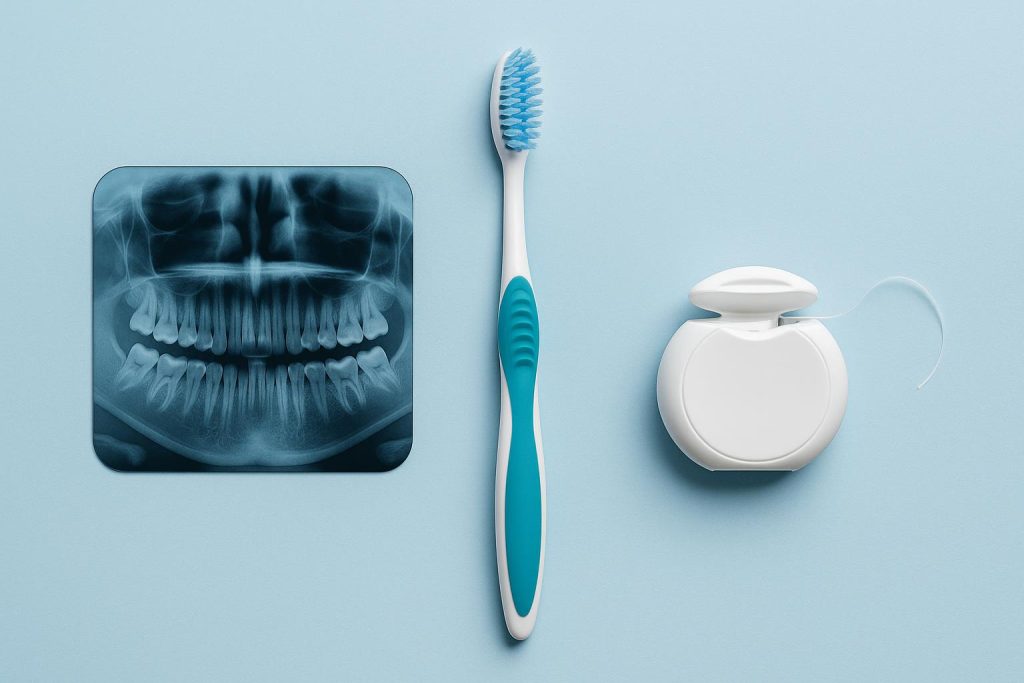
Your mouth tells a hard truth about your health. Small problems grow fast when you ignore them. Annual preventive visits stop that quiet damage before it steals your comfort, your time, and your money. You may brush and floss every day. That still is not enough. Professional care reaches what you cannot see or clean at home. It also gives your children a strong start and protects older family members who face a higher risk. A trusted dentist in San Antonio, TX can watch for early decay, gum infection, and signs of disease in your body. Early treatment costs less and hurts less. It also protects your ability to eat, speak, and smile without fear. This blog explains three simple preventive services to schedule every year. Each one guards your health, supports your family, and cuts the chance of painful emergencies that upend your life.
1. Professional Cleanings and Exams
You clean your teeth every day. Still, sticky plaque hardens into tartar that no home tool can remove. That hard layer traps bacteria. It creeps under the gums. It can trigger infection and bone loss. A yearly or twice-yearly cleaning breaks that cycle.
During a cleaning visit, the dental team will usually:
- Remove tartar and plaque from teeth and along the gumline
- Polish teeth to smooth rough spots where bacteria cling
- Check gums for bleeding, swelling, or pockets
Then the exam begins. The dentist studies your teeth, gums, tongue, cheeks, and jaw. The goal is to catch early warning signs. These may include tiny cavities, worn fillings, cracked teeth, and dry mouth. The dentist also checks for signs of oral cancer.
The National Institute of Dental and Craniofacial Research explains that gum disease is common and often silent in early stages. Regular exams give you a chance to stop gum disease before it becomes painful tooth loss.
For most healthy adults, one or two cleanings each year work well. Children, pregnant people, and those with diabetes or heart disease may need more frequent care. You and your dentist can set a schedule that matches your risk.
2. Dental X Rays
Some damage hides between teeth, under old fillings, or inside the jawbone. You cannot see it in the mirror. Your dentist cannot see it with a light and a small mirror alone. Dental X-rays reveal hidden decay and infection.
Common uses for dental X-rays include:
- Finding cavities between teeth
- Checking bone loss from gum disease
- Watching tooth roots and developing teeth in children
- Reviewing fit of crowns, bridges, and implants
Radiation from dental X-rays is low. The American Dental Association explains that the health benefit of finding disease early outweighs the small risk for most people. Lead aprons and digital sensors cut exposure even more.
You may not need X-rays every year. The schedule depends on age, oral health, and risk. Children and teens often need them more often. Adults with healthy mouths and low risk may wait several years between sets. A dentist will review your history and explain what makes sense for you and your children.
3. Sealants and Fluoride Treatments
Sealants and fluoride build a strong shield on teeth. These treatments work well for children. They also help many adults. They can stop early decay and support weak spots before a cavity forms.
Sealants are thin plastic coatings painted on the chewing surfaces of back teeth. These teeth have deep grooves that trap food and bacteria. A sealant fills those grooves. It blocks decay from starting in that spot. The Centers for Disease Control and Prevention report that children without sealants have many more cavities in their back teeth.
Fluoride treatments work in a different way. Fluoride strengthens tooth enamel. It helps repair very early damage. It also makes teeth more resistant to acid from food and bacteria. Dentists place fluoride as a gel, foam, or varnish. The process is quick and painless. It is safe for children and adults when used as directed.
These treatments are fast. They often fit into the same visit as a cleaning and exam. That saves time and reduces missed school or work.
Comparison of Annual Preventive Services
| Service | Main Purpose | Best For | Typical Frequency |
|---|---|---|---|
| Professional cleaning and exam | Remove tartar and check for disease | All ages | Once or twice each year |
| Dental X rays | Find hidden decay and bone loss | Children, teens, adults with risk | Every 1 to 5 years based on risk |
| Sealants | Protect grooves in back teeth from cavities | Children and teens, some adults | Every few years, as teeth erupt and wear |
| Fluoride treatment | Strengthen enamel and stop early decay | Children, teens, adults with decay risk | Every 3 to 12 months based on risk |
How to Put These Services on Your Family Calendar
Preventive care works only when you keep a steady rhythm. A simple plan can help.
Use these three steps:
- Pick one month each year for family dental visits and set reminders now
- Ask your dentist to review which services each person needs that year
- Track completed visits and next due dates on a shared calendar
You face many demands on your time and money. Skipping preventive care may feel easier in the moment. Yet untreated decay, infection, and pain often lead to emergency visits, missed school, and lost work. Routine care is more effective after treatment. It keeps you from going back to that crisis point.
Your choices today shape your family’s health and comfort for years. Annual preventive services give you control. They protect your teeth. They protect your dignity. They protect your peace of mind.

