


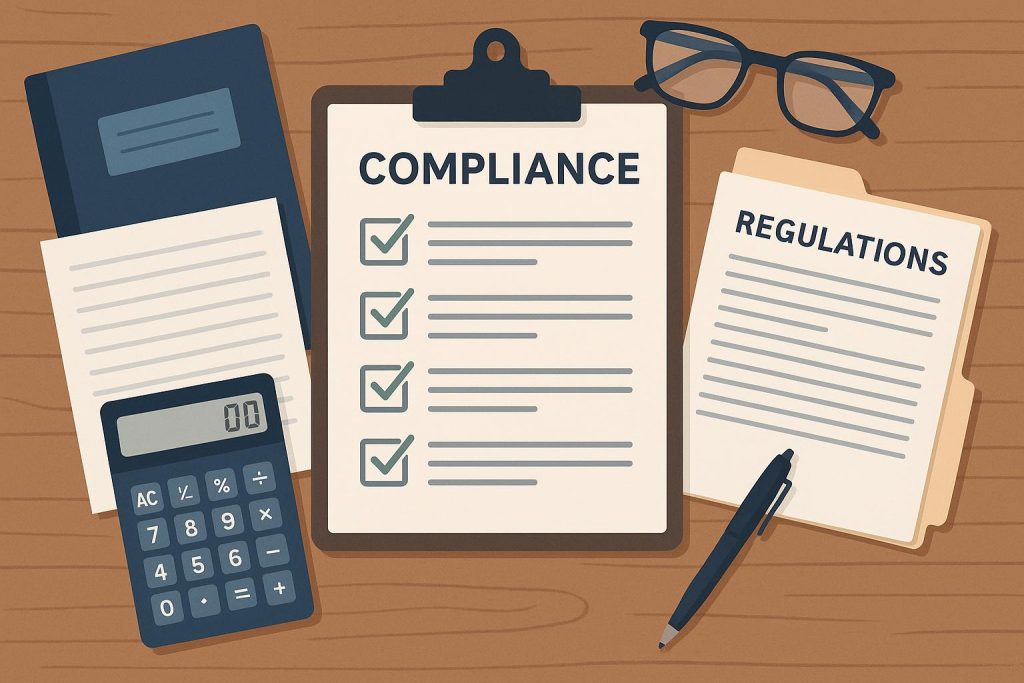
Staying compliant can feel heavy. Laws shift. Rules tighten. Penalties grow. You hold many tasks and cannot watch every change. A trusted CPA keeps your business steady. A CPA in Santa Monica, CA tracks tax rules, filing dates, and record needs so you do not face surprise letters or fines. This support lets you focus on daily work while knowing your books stay clean. Clear guidance on payroll, sales tax, and expense records helps you avoid small mistakes that turn into large problems. Careful planning also protects you during audits and reviews. You gain structure. You gain order. You gain proof for every number you report. This blog explains four direct ways a CPA shields your business from risk, lowers stress, and supports honest operations. Each step is simple. Each step is practical. Each one helps you meet the law with less fear.
1. CPAs keep your records clean and ready
Strong records sit at the heart of compliance. Poor records invite fear. Clean records bring calm. A CPA sets up clear systems so every dollar has a place and a story.
Key record tasks a CPA supports include:
- Setting a chart of accounts that matches your business
- Reconciling bank and credit card statements each month
- Storing receipts and invoices in a clear way
- Tracking payroll, sales, and expense details for tax forms
The Internal Revenue Service explains basic record rules for businesses in its guide on recordkeeping for small businesses. A CPA turns these rules into daily practice. You get a clear routine instead of guessing what to save.
With good records you can:
- Answer questions from tax or labor agencies
- Show proof if a vendor or worker disputes a payment
- Support loan or grant requests with solid numbers
Clean books protect you. They also help you see what works in your business. You can then make firm choices with less doubt.
2. CPAs watch filing dates and rule changes
Missed deadlines lead to quick penalties. Interest grows. Letters arrive. Stress rises. A CPA tracks these dates, so you do not need to keep them in your head.
Typical deadlines a CPA tracks include:
- Quarterly estimated tax payments
- Annual income tax returns
- Payroll tax deposits and reports
- Sales and use tax filings
- Information returns such as Forms 1099
Tax rules change often. The IRS lists current forms and changes on its small business resource page. State and local agencies also update rules on payroll, sales tax, and licenses. A CPA tracks these changes and explains what they mean for you in plain words.
This support helps you:
- Avoid late fees and interest charges
- File correct forms the first time
- Adjust quickly when a rule shifts
Instead of reacting in panic when a notice arrives, you act early with a plan. That control reduces fear and protects your cash.
3. CPAs guide payroll, workers, and sales tax duties
Running payroll and handling sales tax touch both money and people. Errors here hurt workers and upset customers. A CPA helps you set rules that stay fair and legal.
Common payroll and tax support includes:
- Classifying workers as employees or contractors
- Setting up payroll systems that withhold the right tax
- Filing payroll tax returns and year-end forms such as W-2 and 1099
- Reviewing sales and use tax rules for what you sell
- Setting up processes to collect and remit sales tax
These steps protect you from claims of unpaid wages, missing overtime, or unpaid taxes. They also show respect for workers who count on clean paychecks and clear records.
Families feel the impact when payroll goes wrong. Late pay or surprise tax bills reach the kitchen table. A steady CPA presence cuts these shocks. You keep trust with your staff and your community.
4. CPAs prepare you for audits and reviews
The word audit often sparks fear. Yet with good planning, an audit becomes a review, not a crisis. A CPA builds that readiness from day one.
Audit support often includes:
- Keeping a clear trail for each transaction
- Storing copies of filed returns and support schedules
- Reviewing records before filing to catch gaps
- Responding to notices with clear facts and documents
- Standing with you during audits to explain your records
A CPA also runs internal checks. These simple tests look for missing receipts, odd entries, or patterns that could signal theft or misuse. Early detection protects your business and the people who depend on it.
When an agency calls, you already have:
- Organized files
- Clear reports
- A steady guide who knows your numbers
That structure turns a frightening event into a controlled process. You move through it with less strain on you and your family.
Comparison: handling compliance alone versus with a CPA
The table below shows key differences between managing compliance by yourself and working with a CPA.
| Compliance task | Handling it alone | With a CPA |
|---|---|---|
| Tracking tax law changes | Rely on online searches and guess what applies | Receive clear updates tailored to your business |
| Meeting filing deadlines | Use personal reminders and hope nothing slips | Follow a set calendar with planned filings |
| Recordkeeping | Use mixed systems and risk missing documents | Use a structured method that matches legal rules |
| Payroll and worker issues | Face risk of misclassifying workers and pay errors | Apply clear rules for classification and pay |
| Sales tax | Guess which sales are taxable and at what rate | Follow documented rules for each product or service |
| Audit response | Scramble to gather records and explain choices | Present organized proof with a trained guide |
| Stress level | High and constant | Lower and controlled |
Putting these four supports to work
Compliance is not just about avoiding fines. It protects your staff, your customers, and the people who share your home. With a CPA, you gain four strong supports. Clean records. Watched deadlines and rules. Safe payroll and sales tax systems. Audit readiness.
Each support stands on clear steps. You do not need special training to follow them. You just need steady guidance and a plan you can keep. That plan frees your time for the work you care about. It also gives you the quiet relief of knowing your business stands on honest ground.

