


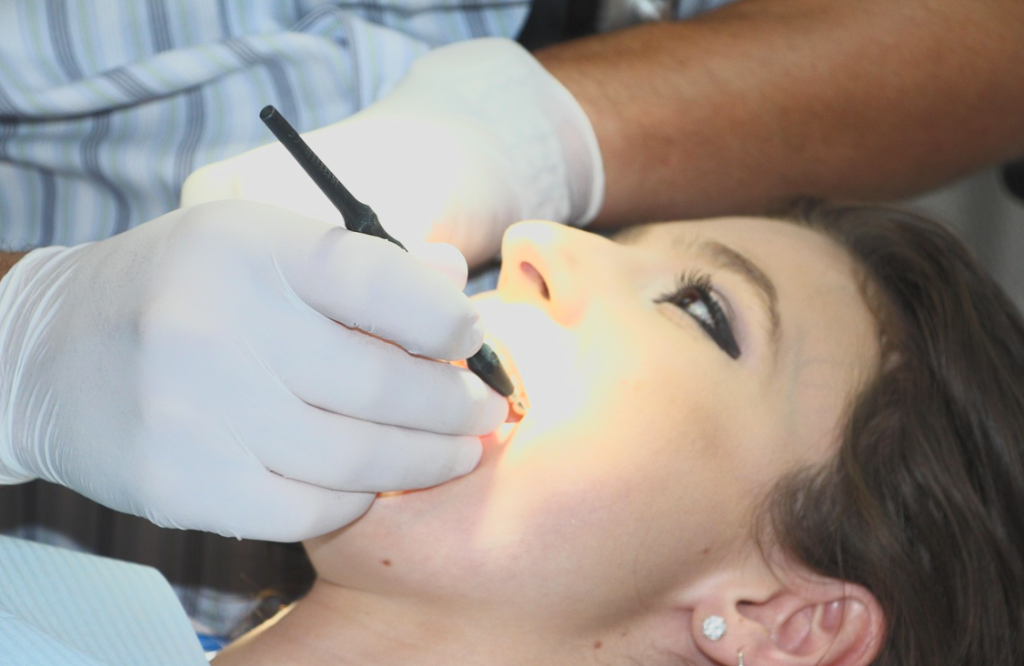
You work hard every day. You should not have to fight tooth pain on top of that. Cavities can grow fast and turn a small problem into a crisis that sends you to an emergency dentist in Howard, Green Bay, WI. Regular care with a general dentist keeps that from happening. You get simple steps that protect your teeth before decay starts. You also gain clear advice that fits your mouth, your habits, and your budget. This blog explains five preventive strategies general dentists use to stop cavities early. You will see what happens during visits, what you can do at home, and how small changes protect your teeth. The goal is steady care that avoids sudden pain, lost time, and high costs. Your mouth stays strong. Your bite stays steady. Your daily life stays calm.
1. Regular checkups and cleanings
Cavities start small. You often cannot see or feel them at first. A general dentist spots early damage before it turns into a hole in the tooth.
During a routine visit, your dentist and hygienist will usually:
- Check each tooth for soft spots and cracks
- Look at your gums for swelling or bleeding
- Take X-rays when needed to see between teeth
- Remove plaque and hardened tartar
- Talk with you about brushing, flossing, and diet
Early treatment keeps more of your natural tooth. It also reduces the chance of infection and swelling.
You can see how often experts recommend visits in the table below.
Suggested dentist visit frequency
| Age group | Health status | Typical visit schedule |
|---|---|---|
| Children | Low cavity risk | Every 6 to 12 months |
| Teens | Moderate cavity risk | Every 6 months |
| Adults | Low cavity risk | Every 6 to 12 months |
| Adults | High cavity risk | Every 3 to 4 months |
The American Dental Association explains that your dentist may change this schedule based on your risk level.
2. Daily brushing and flossing
At-home care makes the biggest difference. You spend only a few hours a year in the dental chair. You spend hundreds of hours each year eating and drinking. That is when plaque forms.
Your dentist will urge you to:
- Brush twice a day with fluoride toothpaste
- Use a soft brush and small circles along the gumline
- Floss once a day between every tooth
- Replace your brush every 3 to 4 months
Fluoride helps your teeth repair early damage from acid. The Centers for Disease Control and Prevention share strong data on how fluoride cuts cavities in both children and adults. You can see that information at the CDC page on community water fluoridation.
If floss feels hard to use, your dentist may suggest:
- Pre threaded flossers
- Soft picks
- Water flossers
The method matters less than the habit. Consistent cleaning breaks the cycle that leads to decay.
3. Fluoride treatments
General dentists often use fluoride in higher strength forms than what you find in stores. Fluoride treatments help in three ways.
- They slow the loss of minerals from tooth enamel
- They help rebuild weak spots
- They make teeth more resistant to future acid attacks
During a visit, your dentist may place fluoride as a gel, foam, or varnish. The process is quick and painless. It usually takes just a few minutes and does not require numbing.
Fluoride treatments are especially helpful if you:
- Have a history of many cavities
- Wear braces or clear aligners
- Have dry mouth from medicines or health conditions
- Snack often or drink sugary drinks
Your dentist can also prescribe high-fluoride toothpaste or rinses for home use when needed.
4. Dental sealants for children and adults
Back teeth have deep grooves. Food and bacteria collect in those grooves. A toothbrush cannot always reach into them. Sealants protect these spots.
Your dentist will:
- Clean the tooth surface
- Place a gentle solution to prepare the enamel
- Rinse and dry the tooth
- Paint on a thin coating of sealant material
- Harden it with a special light
This clear or tooth colored shield keeps out food and bacteria. It lowers cavity risk on chewing surfaces.
Sealants are common for children when their permanent molars come in. Many dentists also use them for teens and adults who have deep grooves or early signs of decay without a full cavity.
Sealants do not replace brushing and flossing. They add another layer of defense where you need it most.
5. Food and drink choices that protect teeth
Every sip and bite affects your teeth. Sugar feeds the bacteria that cause decay. Acid softens enamel and makes it easier for damage to spread.
Your dentist may urge three simple changes.
- Limit sugary drinks such as soda, sports drinks, and sweet coffee
- Save sweets for mealtimes instead of frequent snacking
- Drink plain water between meals and after snacks
Helpful snack choices include:
- Cheese, yogurt, and milk
- Nuts and seeds
- Fresh vegetables and whole fruits
Chewing sugar-free gum that contains xylitol also helps. It boosts saliva flow. That helps wash away food and neutralize acid.
Putting the five strategies together
Each step on its own lowers your risk. When you combine them, you gain strong protection.
- Regular visits catch problems early
- Daily brushing and flossing remove plaque
- Fluoride strengthens weak enamel
- Sealants guard the most cavity-prone teeth
- Smart food and drink choices reduce sugar and acid attacks
You do not need perfection. You need consistency. Small, steady habits keep your teeth healthy and your smile comfortable. If you stay on track with these five strategies, you are far less likely to face sudden tooth pain or urgent treatment.

