


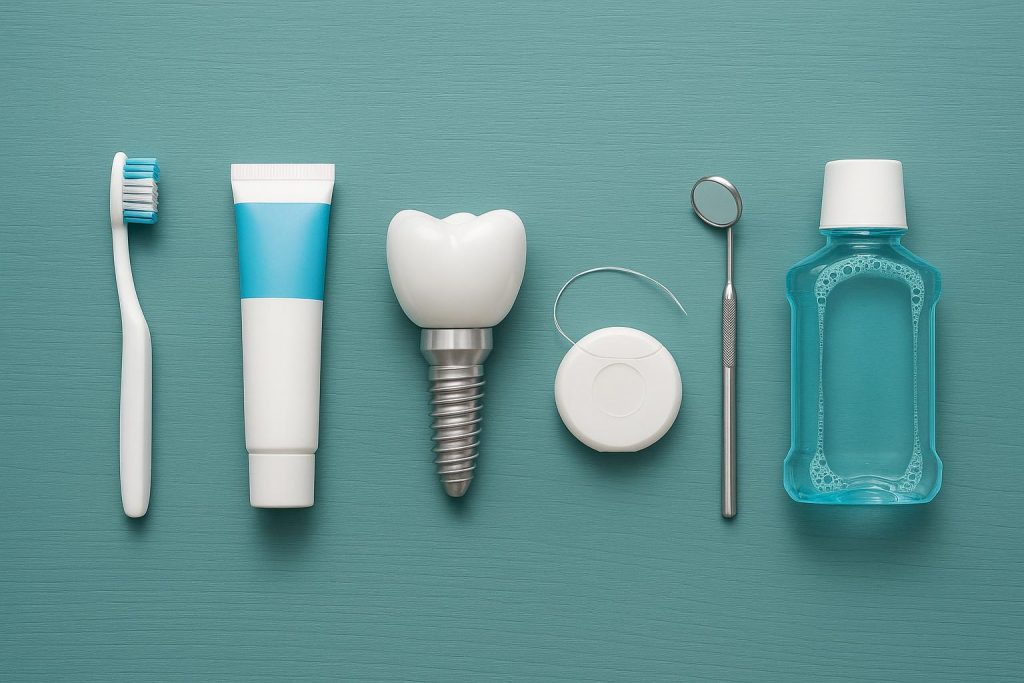
You may feel relieved now that your dental implant is in place, but also a little unsure about what happens next. That is common. Many people think the hard part ends after treatment, then they realize implant care is not only about healing. It is about protecting the time, money, and trust you have already invested. Whether you received dental implants in Lake Ridge, VA or elsewhere, the good news is that long term success often comes down to steady habits, regular checkups, and knowing what can put an implant at risk. If you want a simple takeaway, it is this. Clean well, keep up with visits, protect your bite, and pay attention early when something feels off.
An implant can feel so much like a natural tooth that it is easy to forget it still needs daily care. Because of that, small issues can build quietly. Gums may get inflamed, plaque can collect around the implant, or clenching can place too much force on it. So, where does that leave you? In a better place than you might think, especially when you know what to watch for and what to do next.
Why does long term implant success depend on more than the implant itself?
People often focus on the implant post or crown, but the real story includes your gums, bone, bite, and habits. A strong implant still depends on healthy tissue around it. If plaque sits at the gumline, irritation can start. If that irritation is ignored, it may turn into deeper inflammation around the implant. Over time, that can affect the bone supporting it.
This is why daily home care matters so much. The National Institute of Dental and Craniofacial Research offers helpful guidance on oral hygiene habits that support healthy teeth and gums, and those same basics matter for implants too. Gentle brushing twice a day, cleaning between teeth, and keeping the gumline clean are simple actions, but they carry real weight over the years.
You also need to think about pressure. Do you grind your teeth at night? Do you chew ice or use your teeth to open things? Those habits may seem small, yet repeated force can strain the implant crown or surrounding structures. The FDA also explains key facts about dental implants and possible complications, which can help you understand why follow up care matters long after placement.
What can threaten implant longevity when everything seemed fine at first?
Sometimes the biggest risk is silence. An implant problem does not always begin with sharp pain. You might notice mild bleeding when brushing, a strange taste, tenderness, or a sense that the bite feels different. It is easy to put those signs off, especially if life is busy. But waiting can turn a manageable issue into a harder one.
Smoking is another concern. It can slow healing, affect the gums, and reduce blood flow to the tissue that supports the implant. Health conditions such as uncontrolled diabetes can also make it harder for your mouth to stay stable. Even dry mouth can raise the risk of plaque buildup and irritation. The Centers for Disease Control and Prevention shares practical oral health tips for adults that support stronger daily prevention, especially if you are trying to lower risk factors.
And then there is routine. People often do well right after treatment because they are focused. A year later, they may brush too fast, skip flossing, or postpone cleanings. That shift is understandable, but it can slowly undermine lasting dental implant care. The goal is not perfection. It is consistency.
Which daily habits support the best long term implant success?
Good implant care is not complicated, though it does need to be intentional. Brush with a soft toothbrush, clean around the implant carefully, and ask your periodontist and implant dentist which tools fit your mouth best. Some people benefit from floss, while others may do better with interdental brushes or a water flosser. The American Dental Association’s MouthHealthy site outlines a solid daily oral care routine that can help you stay on track.
It also helps to think beyond brushing. Regular professional cleanings, bite checks, and gum evaluations can catch problems before they grow. If you wear a night guard, use it. If a crown feels loose or your bite changes, do not wait. These are not minor details. They are part of protecting implant maintenance tips that actually work over time.
What does home care versus professional care really look like?
It can help to see the difference clearly. Home care and professional care do different jobs, and both matter.
| Type of Care | What You Do | Why It Matters |
|---|---|---|
| Home care | Brush twice daily, clean between teeth, keep the gumline free of plaque | Reduces irritation and helps prevent inflammation around the implant |
| Professional checkups | See your periodontist and implant dentist for exams and cleanings | Allows early detection of bone loss, bite issues, or gum problems |
| Bite protection | Wear a night guard if recommended and avoid hard or damaging habits | Lowers the risk of excess force on the implant and crown |
| Health management | Control smoking, diabetes, and dry mouth when possible | Supports healthier healing and more stable long term implant results |
What are 3 steps you can take right now to protect your dental implant?
1. Tighten up your daily cleaning routine. Slow down when you brush, spend time at the gumline, and clean between teeth every day. If you are not sure which tool is best around your implant, ask at your next visit.
2. Pay attention to small changes. Bleeding, swelling, bad taste, looseness, or a bite that feels off should not be ignored. Small signs often show up before a larger problem does.
3. Keep your follow up visits on the calendar. A regular exam with a periodontist and implant dentist can reveal issues you cannot see at home. That kind of preventive care often saves stress, time, and added cost later.
How do you give your implant the best chance to last for years?
The answer is usually not one big thing. It is a series of small choices repeated over time. Clean carefully. Show up for checkups. Protect your bite. Speak up when something feels different. Those steps can go a long way toward supporting your implant and the health around it.
If you have been wondering whether your routine is enough, or if something about your implant does not feel quite right, now is a good time to schedule an evaluation with a periodontist and implant dentist. A little attention now can help protect your smile for years to come.

