


You might be feeling a little torn right now. Part of you knows something is off with your teeth or gums, yet another part keeps hoping it will just “settle down” on its own. Maybe there is a spot that aches when you chew, or your gums bleed when you brush, or your breath does not feel as fresh as it used to, and every time you notice it, you tell yourself you will call a dentist in West Haverstraw , NY tomorrow.end
Then tomorrow comes, and life gets busy again. The discomfort fades for a day or two, and you push it to the back of your mind. Until it flares up at night, or during a meal, or right before an important meeting, and suddenly you are worried all over again.
If that sounds familiar, you are not alone. Many people delay seeing a general dentist because they are anxious about the visit, worried about cost, or simply not sure whether the problem is “serious enough” to deserve an appointment. The short version is this. When your body gives you warning signs, especially in your mouth, it is asking for attention, not to be ignored. There are clear signals that it is time to schedule a dental exam, and catching them early usually means less pain, less time, and less expense in the long run.
So where does that leave you right now. It means paying close attention to a handful of specific warning signs and understanding what they might mean, so you can act before a small issue turns into a major one.
Are these 6 warning signs telling you it is time to see a dentist?
There are many subtle changes that can happen in your mouth, and it is easy to shrug them off. The concern is that tooth decay and gum disease often start quietly. By the time the pain is obvious, the problem can be much bigger than it needed to be.
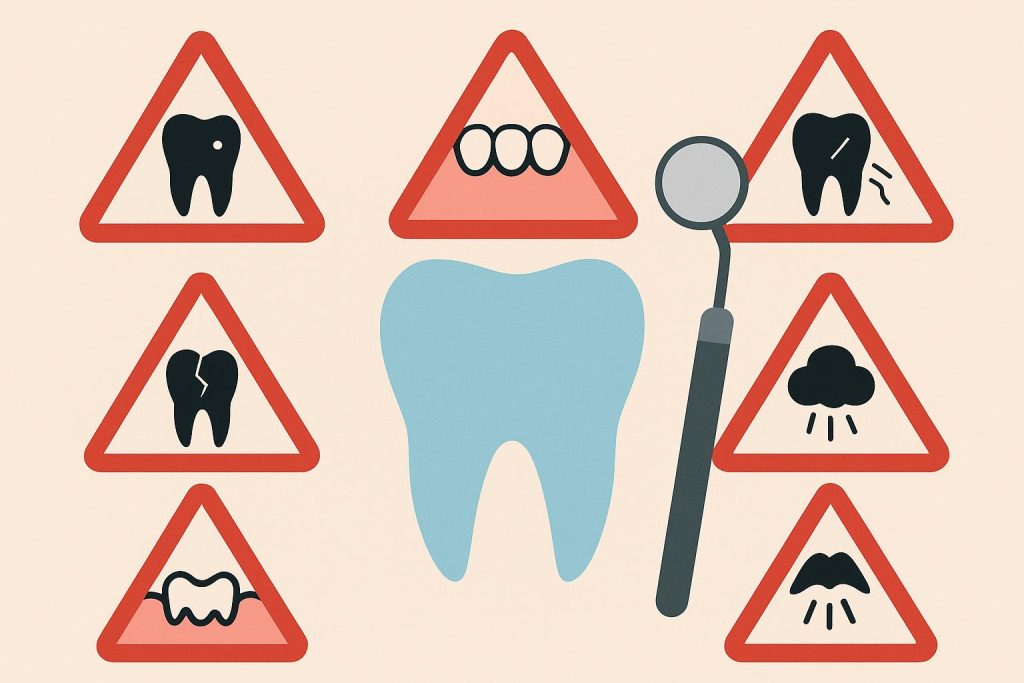
Here are six common signs that point to the need for a dental exam, along with what they might be trying to tell you.
1. Ongoing tooth pain or sensitivity
A quick twinge when you bite ice cream now and then is one thing. Pain that keeps coming back, lingers, or wakes you up at night is another. This kind of discomfort can signal a cavity, a cracked tooth, or an infection inside the tooth. According to research on tooth decay and cavities, untreated decay does not reverse on its own. It tends to spread deeper into the tooth and toward the nerve.
Waiting can turn a simple filling into a root canal or even an extraction. That is the emotional and financial cost of “hoping it goes away.”
2. Bleeding, swollen, or tender gums
If you see pink in the sink when you brush, or your gums look red and puffy instead of firm and pale pink, your mouth is asking for help. These are common early signs of gum disease. The Centers for Disease Control and Prevention explains that gum or periodontal disease can lead to bone loss and tooth loss if it is not treated.
Because gum disease is often painless in the beginning, it is easy to ignore. The longer it goes untreated, the more complex and costly it becomes to manage.
3. Persistent bad breath or a bad taste in your mouth
Mints and mouthwash can mask odor for a short time, but if bad breath keeps coming back, there is usually an underlying cause. It might be gum disease, trapped food particles, dry mouth, or untreated cavities. Chronic bad breath can be embarrassing and isolating. People sometimes pull back from close conversations or social events because they are worried about how they smell.
A general dentist can help identify the cause and create a plan that addresses the problem, not just the odor.
4. Visible changes in your teeth
Maybe you notice a dark spot that was not there before, a chip from biting something hard, or a tooth that is starting to look shorter or more worn than the others. These changes can signal cavities, grinding or clenching, or enamel erosion. The CDC notes that cavities and tooth decay are extremely common, yet they are also very treatable when caught early.
The emotional side is real too. When your smile changes, you may feel less confident at work, in photos, or in relationships. A dental exam can clarify what is happening and what can be done.
5. Loose teeth, receding gums, or shifting bite
Adult teeth should not wiggle. If you notice a tooth that feels loose, gums that seem to be “pulling back,” or a bite that suddenly feels different when you close your mouth, that can be a sign of more advanced gum disease or bone loss. Left alone, this can lead to tooth loss and complex treatment needs.
Experts in gum health explain that early and consistent care can slow or stop the progression of gum disease. The National Institute of Dental and Craniofacial Research offers helpful answers in its resource on gum disease questions, which shows how important early diagnosis really is.
6. Jaw pain, headaches, or clicking when you open your mouth
Pain in your jaw, frequent headaches, or a clicking and popping sound when you open wide can be related to the way your teeth fit together or to grinding and clenching, especially at night. These issues can strain your jaw joints and muscles. They also wear down teeth over time.
You might notice you wake with tight jaw muscles or feel soreness when chewing. A dental exam can uncover whether your bite, your teeth, or your joints are contributing and what can be done to relieve the tension.
What happens if you wait, and what changes when you act early?
Knowing the warning signs is one thing. Deciding what to do about them is another. It is natural to worry about cost, to feel nervous about sitting in a dental chair, or to fear “bad news.” Because of that tension, many people try to manage on their own with home remedies, internet tips, or by simply avoiding the area that hurts.
Imagine two different paths.
On the first path, someone notices bleeding gums and occasional tooth sensitivity. They switch to a softer toothbrush and rinse with salt water. The bleeding continues, but there is no sharp pain, so they wait. Months go by. One day, the tooth becomes very painful, the gums are swollen, and now there is an urgent visit, possibly an infection, and more complex treatment.
On the second path, the same person takes those early warning signs as a nudge to schedule a dental exam. The dentist finds early gum disease and a small cavity. With a cleaning, improved home care, and a simple filling, things stabilize. No emergency, less discomfort, and a much calmer experience overall.
Both people started in the same place. The only difference was timing. That is the heart of paying attention to the 6 warning signs you need a dental checkup. Acting early usually means more choices, simpler care, and less strain on your budget and your peace of mind.
DIY fixes vs professional dental exams: what is really at stake?
You might be wondering whether you can manage some of these problems at home. Better brushing and flossing, quitting smoking, and cutting back on sugar all help. They are important. Yet they are not a substitute for a professional exam and cleaning when there are clear warning signs.
The comparison below can help you see where home care fits and where a general dentist becomes essential.
| Issue | What DIY Care Can Do | What a Professional Dental Exam Can Do |
|---|---|---|
| Early tooth sensitivity | Use sensitive toothpaste. Avoid very hot or cold foods. May give temporary relief. | Identify if sensitivity is from a cavity, crack, or exposed root. Provide fillings, bonding, or other treatment to stop progression. |
| Bleeding gums | Improve brushing and flossing. Rinse with salt water. May reduce irritation. | Diagnose gum disease stage. Remove hardened tartar under the gums. Create a tailored plan to protect bone and teeth. |
| Bad breath | Mouthwash, mints, tongue brushing. Masks odor short term. | Find and treat the source, such as decay, infection, or gum disease. Check for dry mouth or other medical issues. |
| Chipped or cracked tooth | Chew on the other side. Avoid hard foods. Risk of the crack spreading remains. | Repair with bonding, crown, or other treatment. Protects the tooth and reduces risk of deeper damage or infection. |
| Jaw pain or grinding | Stress reduction techniques. Warm compresses. Some relief, but no bite protection. | Evaluate bite and joints. Provide a night guard or other care to protect teeth and ease strain on the jaw. |
Home care is your daily foundation. Professional care is your safety net and problem solver. You deserve both working together.
Three steps you can take right now to protect your oral health
1. Pay attention to patterns, not just single moments
One brief twinge might not mean much. Pain that comes back, gums that bleed most days, or breath that is often unpleasant are patterns. Spend a day or two noticing what happens when you eat, brush, or wake up. Jot down anything that repeats. This simple awareness will help a general dentist understand what is going on and guide better care.
2. Schedule a preventive dental exam instead of waiting for an emergency
If any of the six warning signs sound familiar, treat that as a prompt to arrange an exam, not as a reason to brace for the worst. When you call, you can say exactly what you have noticed. For example, “My gums have been bleeding most mornings” or “I have a tooth that is sensitive to cold.” Most offices are used to these concerns and can help you prioritize an appointment before it turns urgent.
3. Strengthen your daily routine while you wait for your visit
Even before you see a dentist, you can support your mouth. Brush twice a day with fluoride toothpaste, clean between your teeth daily, and limit frequent snacking on sugary foods or drinks. Drink water often to help rinse away food particles. These steps will not replace professional care, but they can prevent things from getting worse and may reduce discomfort.
Moving forward with confidence and care
It can be tempting to ignore small changes in your mouth, especially when life is already demanding. Yet your teeth and gums are closely tied to your comfort, your confidence, and even your overall health. When you pay attention to the 6 warning signs that point to the need for a dental exam, you give yourself the chance to handle problems while they are still small and manageable.
You do not have to wait for severe pain, swelling, or a broken tooth to seek help. A routine visit with a general dentist can be the calm, practical step that protects your smile, rather than a crisis response after things have gone too far.
You deserve answers, relief, and a plan that fits your life. Reaching out for a dental exam now is not overreacting. It is a quiet, steady way of taking care of yourself before you are forced to by an emergency.

