
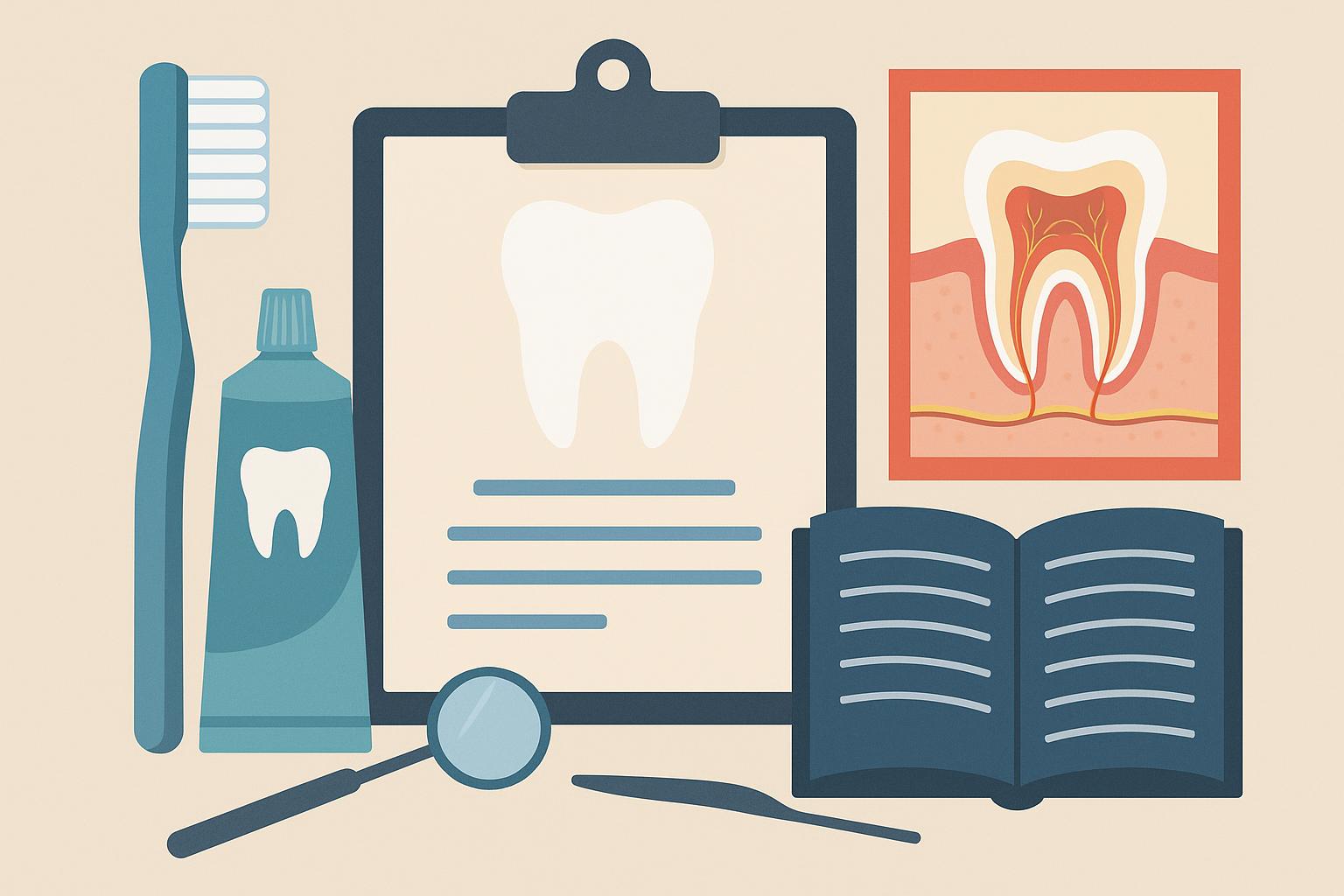
Your daily habits shape your mouth health for life. A South Tulsa dentist does more than fix teeth. The dentist teaches you how to protect them for the long haul. During a visit, you learn what is really happening in your mouth. You see where plaque hides. You hear how gums respond to skipping floss. You find out which small changes give the biggest payoff. Regular talks about brushing, flossing, and food choices turn confusing rules into simple steps you can follow. Clear explanations cut through fear and shame. Honest feedback helps you reset after setbacks. Over time, these short lessons build strong routines at home. You gain control of your mouth, instead of waiting for pain to strike. This blog shows how general dentists guide you toward long term oral hygiene that feels possible, steady, and worth the effort.
Why your dentist focuses on education, not just treatment
Tooth decay and gum disease build in silence. You often feel pain only when damage runs deep. Treatment can fix many problems. Yet prevention protects you from repeat cycles of fillings, infection, and loss of teeth.
General dentists see patterns every day. They see how often the same problems return when people do not understand what to change at home. So they use each visit as a teaching time. They show you what they see. They explain what it means. Then they give you clear actions to take before your next visit.
This approach saves you three things. It saves money. It saves time. It saves teeth.
Turning a checkup into a learning session
A routine visit is more than a quick cleaning. It is a step by step lesson about your mouth. You can expect three types of teaching during a typical appointment.
- What the dentist and hygienist see in your mouth
- How daily habits cause or prevent those findings
- What you can change today, this week, and this year
Each part builds on the last. You walk out with a simple plan instead of vague warnings.
Using pictures, mirrors, and X rays to show the truth
Many people change only when they see proof. General dentists use tools that make problems clear.
- In mouth photos. A small camera shows stains, plaque, and wear on a screen. You see the exact spots that need better care.
- Mirrors and lights. The hygienist points to the gum line, back teeth, and tongue. You see where brushing and flossing often miss.
- X rays. These images show decay between teeth and bone loss. They reveal damage that you cannot see in the mirror.
This direct view can feel harsh. Yet it gives you power. You stop guessing and start acting with clear goals.
Plain language about plaque, decay, and gum disease
Good dental teaching uses simple words. Your dentist may compare plaque to a sticky film that feeds on sugar. The dentist may describe gum disease as a slow infection that eats bone. These plain images stay in your mind when you brush at night.
Trusted sources back up this simple message. The Centers for Disease Control and Prevention’s oral health page explains how plaque causes cavities and gum disease. The National Institute of Dental and Craniofacial Research explains gum disease in terms that match what you hear in the chair.
Teaching correct brushing and flossing: side by side
Most people never learned how to brush and floss the right way. Many rush. Many scrub too hard. Many miss the same spots every day.
General dentists fix this through hands-on teaching. The hygienist often walks you through three steps.
- Show you how you brush now
- Correct your hand position and motion
- Watch you try again until it feels natural
You may practice with a model or in your own mouth using a mirror. Small changes make a big difference. That includes the angle of the brush, how long you spend, and the order in which you move around your teeth.
Comparing common brushing habits and best practice
| Habit | What many people do | What general dentists teach |
|---|---|---|
| Time spent brushing | About 30 to 60 seconds total | Two full minutes twice each day |
| Brush pressure | Hard scrubbing that wears enamel | Gentle circles that clean the gum line |
| Floss use | Only before visits or when food sticks | Once each day to break up plaque between teeth |
| Toothbrush type | Medium or hard bristles | Soft bristles to protect gums and enamel |
| Order of cleaning | Random pattern with missed spots | Same routine each time to cover every surface |
This clear side by side view helps you see where you stand. It also shows how small habit shifts guard your teeth for decades.
Food, drinks, and honest talk about sugar
General dentists also talk about what you eat and drink. They do not focus only on candy. They look at three things.
- How often you eat or sip
- How sticky or acidic the food and drinks are
- How you clean your mouth afterward
Frequent snacking or sipping sweet drinks keeps your mouth under attack all day. Your dentist may help you set simple rules. You might keep sweet drinks with meals, switch to water between meals, and chew sugar-free gum to boost saliva.
Personal plans for kids, teens, and adults
Good education changes with age. A general dentist shapes the message for your stage of life.
- Young children. Focus on brushing with a parent, small amounts of fluoride toothpaste, and fun routines.
- Teens. Focus on sports drinks, soda, braces care, and the link between breath odor and plaque.
- Adults. Focus on work schedules, coffee, smoking, grinding, and early gum disease.
- Older adults. Focus on dry mouth from medicine, root decay, and care for dentures or bridges.
Each group gets three clear steps to start. That might be better brushing, daily flossing, and fewer sugary drinks. Or it might be a mouth rinse, a guard for grinding, and more frequent cleanings.
Using reminders and tools between visits
Education does not end when you leave the office. Many general dentists support you between visits. They may suggest phone reminders to floss. They may give you a printout with your top three goals. They may point you to trustworthy websites for quick refreshers.
Some offices also suggest tools like electric toothbrushes, floss holders, or interdental brushes. These tools can make care easier when you have braces, arthritis, or tight spaces between teeth.
How teaching builds long term trust
When a dentist takes time to teach, you feel seen. You feel less judged and more prepared. You know what you can control and what you cannot. This trust makes it easier to share fears, money limits, and habits you want to change.
Over time, this honest teamwork leads to fewer emergencies, fewer sudden costs, and a stronger sense of control. Your mouth becomes one part of your daily health routine. Not a source of constant worry.
Next steps you can take today
You can start now with three actions.
- Schedule a checkup and cleaning if you are overdue.
- Ask your dentist to watch you brush and floss in the office.
- Pick one habit to change for the next month. For example, nightly flossing.
Each visit is a chance to learn. Each small change protects your teeth for the long term. Your general dentist stands ready to guide you, one clear lesson at a time.
