
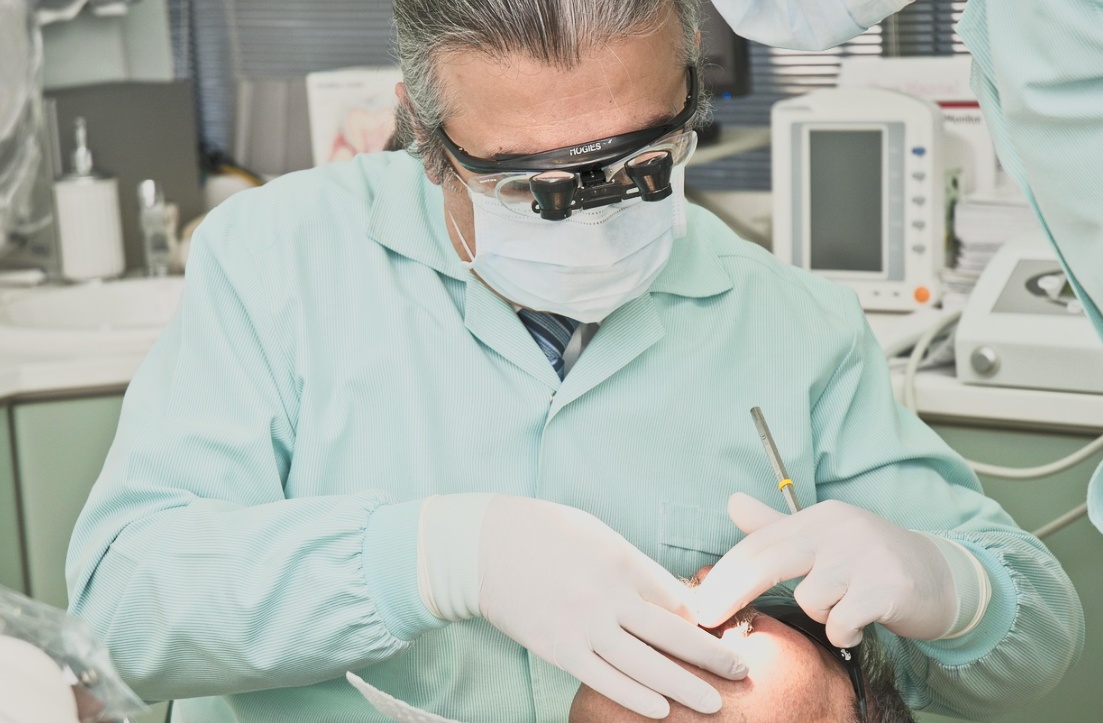
Your teeth carry your story. They show how you eat, speak, and care for yourself. You may feel rushed, tired, or worried about cost. You still need strong habits to protect your mouth. An experienced Santa Rosa family dentist will tell you that prevention is simple. You just need to know what to ask for and why it matters. This blog explains four basic services that keep small problems from turning into emergencies. Each one is quick. Each one saves you pain, time, and money. You will see how routine cleanings, exams, X-rays, and sealants work together. You will also see what happens when you skip them. This information helps you ask clear questions at your next visit. It also helps you decide what to prioritize when money feels tight. You deserve a mouth that feels steady and pain-free. These four services give you that chance.
1. Professional cleanings
You brush. You floss. That still does not remove all plaque. Some plaque hardens into tartar. You cannot remove tartar at home. A professional cleaning breaks it up and clears it away. That simple step lowers your risk of decay and gum disease.
During a cleaning, a hygienist or dentist will
- Scrape off plaque and tartar from teeth and along the gumline
- Polish teeth to smooth rough spots where bacteria cling
- Teach brushing and flossing steps that fit your mouth
The American Dental Association explains why regular cleanings matter for long-term health.
You should ask for cleanings at least twice each year. You may need them more often if you smoke, have diabetes, or have a history of gum disease. Skipping cleanings often leads to bleeding gums, bad breath, and loose teeth. Those problems cost much more to treat than a simple visit.
2. Routine exams
A cleaning focuses on your tooth surfaces. An exam looks at the whole mouth. That includes gums, tongue, cheeks, and jaw. A routine exam finds decay, infection, and early signs of cancer before you feel pain.
During an exam, the dentist will
- Check each tooth for soft spots, chips, or cracks
- Measure your gums for swelling or pockets
- Look at your bite and jaw movement
- Inspect your cheeks, tongue, and throat for unusual spots
The National Institute of Dental and Craniofacial Research offers clear facts on tooth decay and gum disease at NIDCR: Tooth Decay.
Routine exams protect three things. They protect comfort by catching problems before they hurt. They protect time by avoiding long visits for root canals or extractions. They protect money by stopping problems while they are small and cheaper to treat.
3. Dental X-rays
You cannot see between teeth or under fillings. A dentist cannot see through bone. X-rays fill that gap. They show decay, infection, and bone loss that hide under the surface.
Common questions focus on safety, cost, and need.
- Safety. Modern digital X-rays use a low dose of radiation. The level is similar to what you get from a short plane flight.
- Cost. X-rays cost less than major work like crowns or root canals.
- Need. You may not need X-rays at every visit. Your dentist will set a schedule based on your risk.
Children, smokers, and people with many fillings may need X-rays more often. People with low risk may need them less often. You should ask your dentist what they see on each image. Clear answers help you trust the plan.
4. Dental sealants
Back teeth have deep grooves. Food and bacteria settle there and cause decay. A sealant acts like a thin shield over those grooves. It blocks germs from getting inside.
The sealant process is simple.
- The tooth is cleaned and dried.
- A gentle gel roughens the surface so the sealant sticks.
- The gel is rinsed off, and the tooth is dried again.
- The liquid sealant is painted on the chewing surface.
- A special light hardens it so you can chew as normal.
Sealants work best on children and teens when molars first come in. Adults with deep grooves and no decay can benefit too. The Centers for Disease Control and Prevention reports that sealants can cut decay on molars by about half in many children. That means fewer fillings and less fear in the chair.
How these four services compare
| Service | Main purpose | How often | Helps prevent |
|---|---|---|---|
| Professional cleaning | Remove plaque and tartar | Every 6 months for most people | Gum disease, bad breath, decay |
| Routine exam | Check teeth, gums, and mouth | Every 6 to 12 months | Advanced decay, infection, tooth loss |
| Dental X-rays | See hidden problems | Every 1 to 3 years based on risk | Deep decay, bone loss, abscess |
| Dental sealants | Shield back teeth from decay | Once, with checks at each visit | Cavities in molars |
How to talk with your dentist
You deserve clear answers, not quick rushes. At your next visit, you can ask three simple questions.
- What preventive services do you recommend for me this year and why
- What happens if I delay one of these services
- How can we plan the schedule so the cost feels manageable
You can also ask which services your insurance covers and which ones you should still keep even without coverage. Many offices can space visits to lower the cost each month.
Putting prevention first
These four services work together. Cleanings clear away buildup. Exams watch for change. X-rays reveal hidden trouble. Sealants block decay in the most common spots. Together they guard your smile, your speech, and your ability to eat without fear.
You may feel tired or stretched. You may feel tempted to cancel. Try not to. Short, regular visits keep you out of long, painful ones. They protect your body, your time, and your wallet. You deserve that protection.
