


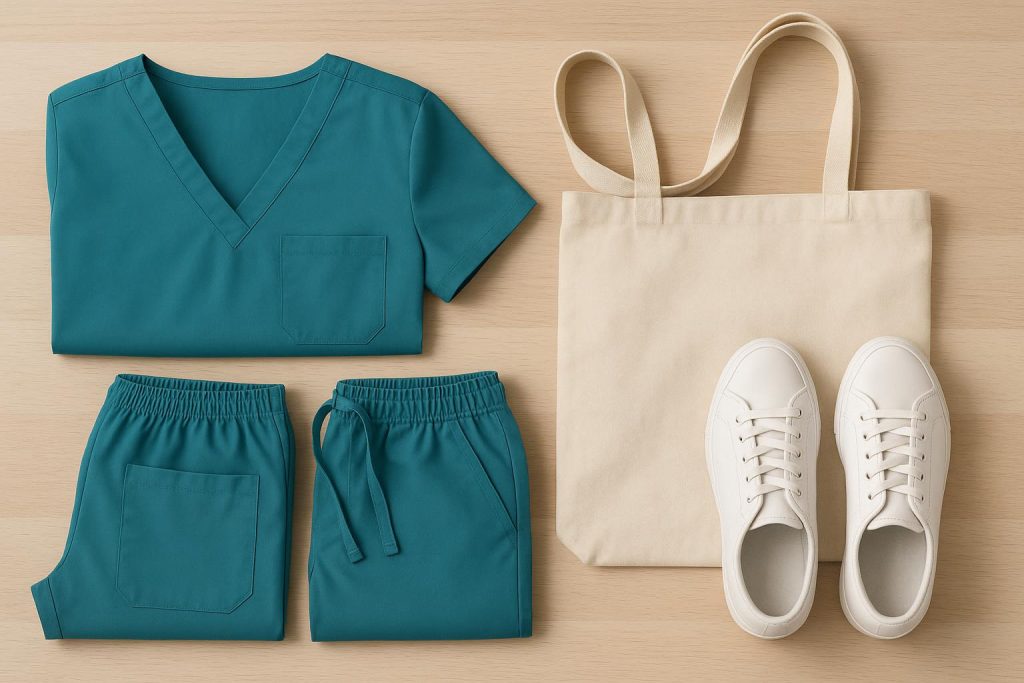
Until recently, medical scrubs were confined to just about the inside of hospitals, clinics, and operating rooms. They reflected sterility, professionalism, and long hours over patients. Scrubs today, however, are breaking free from those traditional confines. You will catch health professionals donning scrubs at coffee shops, grocery stores, picking their children up from school, or even when traveling. What was once an exception of purely functional attire has become a versatile anchor in the wardrobe that combines comfort with style and practicality. This shift reflects not only changes in fashion but also deeper transformations in work culture, lifestyle needs, and perceptions of professional identity.
Contributing to this is the emergence of everyday scrubs for staff as a solution for busy professionals. Health care personnel sometimes work for long, unforeseeable hours; hence, little time or energy might be available to change outfits between shifts and daily responsibilities. Scrubs designed to appear polished yet comfortable afford staff an easy transition in appearance from the workplace to personal errands without feeling underdressed or uncomfortable. This convenience has made scrubs a natural choice outside of the workplace, too, especially in fast-paced city lifestyles.
From Utility to Style: The Evolution of Scrubs
Historically, scrubs were designed to do one thing: be hygienic and accommodate ease of movement. Older designs were boxy, limited in color, and stiff in fabric priority for durability rather than comfort or appeal. As time moved on, manufacturers started to listen to requests from healthcare professionals wanting clothes that would move with them, breathe better, and show a little personality.
Modern scrubs are designed to have fitted cuts, be made of stretchable fabric, fashionably cut, and come in varied colors. Some almost represent athleisure wear, further blurring the line between work attire and casual wear. This, in turn, has contributed greatly to making scrubs socially acceptable outside of clinical settings. When scrubs look great and feel good, wearing them outside of work feels natural and not out of place.
Comfort as a Lifestyle Priority
This is one of the reasons why comfort is one of the most robust drivers of the everyday-wear trend. Many healthcare professionals have to be on their feet all day, working under tremendous stress. The last thing most want to do after a long, grueling shift is change into another outfit for running errands or just relaxing.
Scrubs are designed to accommodate movement, temperature changes, and extended wear. Features such as moisture-wicking fabrics, elastic waistbands, and soft seams make them suitable for all-day wear. Not to say that society is wearing comfort-as-disguise, with the proliferation of leggings, hoodies, and athleisure-but scrubs also fit into this larger cultural shift. They are comfortable enough for one’s downtime yet structured enough to appear presentable in public.
The Influence of Athleisure and Casual Fashion
Fashion trends have also played a major role in normalizing scrubs as everyday wear. Over the past decade, the rise of athleisure has reshaped how people dress. Clothing once reserved for workouts or lounging is now worn in offices, airports, and social settings. Scrubs, with their clean lines and functional design, naturally align with this movement.
Many scrub brands today intentionally design their products to look like casual wear. Scrub pants in jogger style, slim-fit tops, or a palette of neutral colors all support combining scrubs with sneakers, jackets, or even accessories. This makes it easier for healthcare workers to show off their personal fashion sense while maintaining a level of professionalism.
Practicality for Busy Professionals
Apart from being comfortable and stylish, an important consideration is being practical. Healthcare professionals have busy work commitments and personal obligations as well. Wearing scrubs outside work saves time and brain power. One doesn’t have to think about how to mix and match different clothes for different activities without changing clothes in between.
In addition, scrub sets can be easily maintained. They are machine-washed, wrinkle-resistant, and can withstand rigorous washing. Scrubs can be considered a cost-effective and efficient piece of clothing for a professional who wants to look neat without spending much time in getting ready.
Changing Perceptions of Professionalism
A further reason for the everyday wear of scrubs is the changing definition of professionalism. A formal dress code is becoming less prevalent in many sectors in preference to being talented rather than dressing in a professional manner. In healthcare, where scrubs represent professionalism, trust, and sound judgment, it is common for them to be worn in public without undermining these qualities.
Patients and civilians over the years have become used to seeing healthcare providers in scrubs outside a medical setup. As a matter of fact, rather than being unprofessional, being in scrubs sometimes depicts service. The above-mentioned change in perception has therefore allowed healthcare providers to don scrubs in their everyday lives.
Identity, Pride, and Representation
To many healthcare practitioners, scrubs serve not only a function but are a part of their identity and a symbol of pride. Wearing scrubs can be a badge of honor for one’s profession and its significance in society. Consulting a medical dictionary will not help one know more about scrubs; it will just inform them where they can go to purchase one.
Wearing scrubs outside of work can be part of this expression of one’s identity. It symbolizes an element of confidence in these roles and a need to humanize these healthcare providers within a community context, rather than being confined to a medical setting.
The Importance of Innovation & Fabric Technology
Improvements in fabric technology have also led to a surge in the popularity of scrub wear. The new fabrics have properties such as stretchiness, breathability, antimicrobial functions, and temperature regulation. Such qualities have ensured that these clothes can be worn in all settings, from hospitals to casual events.
Some scrub sets have been developed with odor-resistant, stain-resistant properties, and maintaining scrub shape all day. Such properties make them ideal for wear in work settings but can be worn in other settings without worries of appearance. With time, technology improving, scrub sets will have to accommodate different environments.
“Blurring the Line Between Work and Life”
The influence of wearing scrub clothes outside working hours is, therefore, a reflection of the way in which people have come to redefine their work-life balance. Professionals, especially medical practitioners, do not see a distinct separation of their work life from their personal life. Scrubs bridge this gap.
Instead of donning different clothes to mark the transition from work to personal life, many healthcare providers wear clothes that prioritize comfort and efficiency. Scrubs enable them to easily transition among roles such as caregiver, mother, partner, and member of a community.
The Future of Scrubs in Daily Wear
With evolving scrubs, their application in everyday wear will likely increase. Designers are working towards creating more versatile clothing, which can be worn in different combinations or styles. One can think of more personalized scrub styles that include modular designs or a combination of different elements to suit different situations.
On the other hand, talk of washing and working practices is likely to influence how and where scrubs are worn. Although some institutions continue to have a preference for in-house change rooms, demand for scrubs with a dual role in and out of working hours will not disappear soon.
Conclusion
The evolution of scrubs from operating rooms to other environments symbolizes the modifications in lifestyles, beliefs, and expectations. Scrubs, which were meant solely for function, have become a representation of comfort, functionality, and professionalism. As technology and designs have advanced, along with a change in culture, scrubs have well-established their presence in other settings.
For medical professionals with busy lives and more challenging roles, scrubs have remained a dependable option for work and life. With society increasingly embracing comfort and authenticity in fashion, the acceptance of scrubs in a social setting is not only acceptable but rather a perfect fit.

