


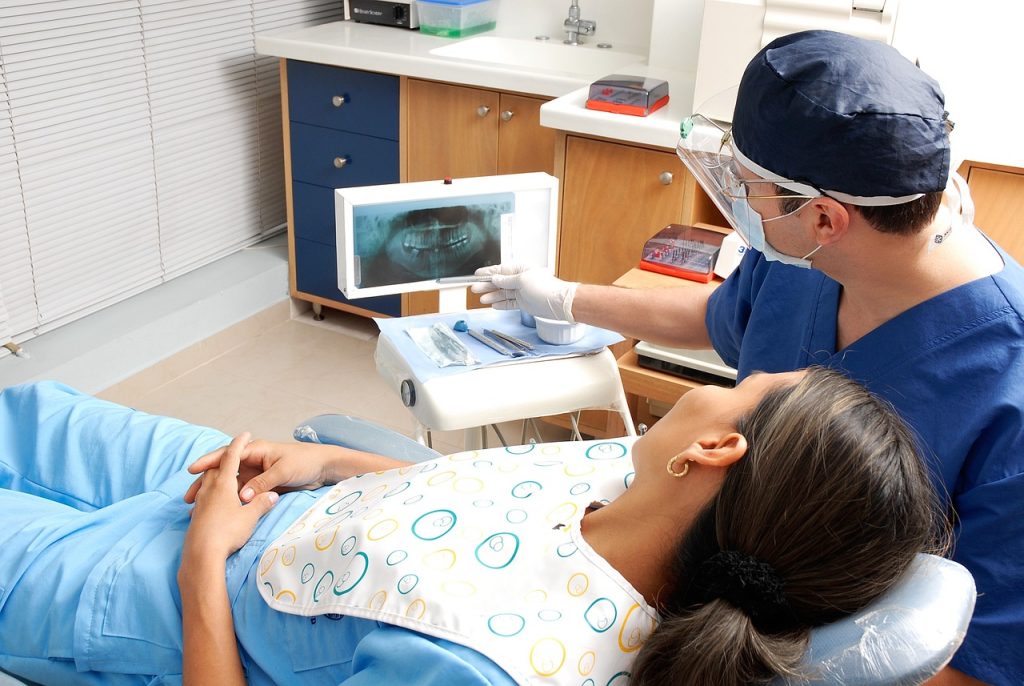
Strong teeth support every part of your life. You use them to eat, speak, and smile with others. When your family sees one trusted dentist, you gain a plan that follows you from childhood through older age. A family dentist learns your history, your fears, and your goals. Then your care fits you. It is not a copy of someone else’s plan. It is a path that adjusts as you grow and change. For young children, that might mean simple visits and patient teaching. For teens, it might mean help with sports guards or braces. For adults and seniors, it might mean repair, protection, and steady checks. Through regular visits and teeth cleanings in Buffalo Grove, your dentist can spot small problems early and protect your comfort. You deserve care that sees your whole life, not just your next appointment.
Why one dentist for every generation matters
When one dentist cares for your whole family, the care grows with you. The dentist sees patterns across years. The dentist also sees patterns across parents, children, and grandparents. That long view helps shape smart choices.
Family care gives three strong benefits.
- Shared history that guides treatment
- Simple routines that fit your daily life
- Trust that lowers fear and delay
The Centers for Disease Control and Prevention explains that strong teeth are linked to heart health, diabetes, and pregnancy health. A family plan does more than protect your smile. It supports your whole body.
Step 1: Listening to your story
A real plan starts with listening. You share three core pieces.
- Your health history and medicines
- Your past dental work and pain
- Your habits with food, drinks, and brushing
The dentist also asks about your schedule and money limits. That way, the plan stays realistic. You do not face pressure to accept care that you cannot keep up with.
For children, the story may focus on thumb sucking, bottle use, or school snacks. For teens, it may focus on sports, tobacco, or drinks with sugar. For adults, it may focus on stress, mouth grinding, and long work hours. For seniors, it often includes bone loss, dry mouth, and past health care.
Step 2: Risk checks at every age
Next, the dentist checks your risk for cavities, gum disease, injuries, and tooth loss. This is not guesswork. It comes from exams, X-rays, and simple questions.
The American Dental Association offers clear advice on how often to visit, when to use fluoride, and how to prevent tooth decay.
Here is how risk often changes across life.
| Life stage | Common risks | Usual focus of a personalized plan |
|---|---|---|
| Babies and toddlers | Early cavities from bottles and snacks | First visit by age one, parent teaching, fluoride as needed |
| Children | Cavities in new molars, fear of visits | Cleanings, sealants, simple words, rewards for brave visits |
| Teens | Sports injuries, braces, sugary drinks | Sports mouth guards, cavity checks, support with brushing around braces |
| Adults | Gum disease, grinding, stress, smoking | Deep cleanings when needed, night guards, quit support, steady checks |
| Seniors | Tooth loss, dry mouth, loose dentures | Denture fitting, implant talks, saliva support, more frequent visits |
Step 3: Building a plan for your family
After listening and risk checks, the dentist shapes a clear plan. That plan should do three things.
- Protect healthy teeth
- Fix current damage
- Prepare for future changes
Protecting health often means cleanings, fluoride, sealants, and home care coaching. Fixing damage may mean fillings, crowns, or gum treatment. Preparing for change may include planning for wisdom teeth, braces, or tooth replacement.
For a young child, the plan may center on three simple steps. Two checkups each year. Sealants on molars. Bedtime brushing with a parent. For a teen, the plan may add braces and a sports guard. For an adult, it may include gum care and a night guard for grinding. For a senior, it may shift to protecting remaining teeth and caring for dentures or implants.
How plans differ by generation
Each generation has different needs. A single plan for the whole family would fail. A good family dentist respects those differences and explains them in plain words.
- Children need short visits, clear praise, and simple tools
- Teens need respect, privacy, and honest talks about risk
- Adults need straight answers about cost, time, and options
Seniors often need more time in the chair, softer handling, and clear printouts of steps. They may also need help linking dental visits with medical visits. A family dentist can coordinate with your doctor when needed.
Using your family history to guide care
Teeth often follow family lines. If a parent loses many teeth by midlife, the children may face a higher risk. If gum disease runs in the family, early checks matter more.
When one office sees your whole family, patterns stand out. The dentist can say, for example, that many adults in your family grind at night. Then the dentist can watch for early signs in your teen. That watch can prevent cracks, headaches, and jaw pain later.
Turning the plan into daily habits
A written plan means little without habits. The dentist helps you turn the plan into three daily steps.
- Brush two times each day with fluoride paste
- Clean between teeth once each day
- Limit sugary drinks and snacks to set times
Children may use charts on the fridge. Teens may use phone alerts. Adults may link brushing to coffee or bedtime. Seniors may need tools with larger handles or help from a caregiver. A family dentist can suggest simple aids and show each person how to use them.
When life changes, your plan changes
Life never stays still. Pregnancy, new medicines, stress, or illness can change your mouth. A strong family plan bends with those changes.
You might need extra cleanings during pregnancy. You might need different care if cancer treatment affects your mouth. You might need to change your plan if arthritis makes brushing hard. Each time, the dentist adjusts your steps and checks you more often if needed.
Taking the next step
You deserve care that respects your story and your family. A family dentist who knows each generation can protect your teeth, your comfort, and your confidence. With steady visits and clear plans, you reduce surprise pain and urgent visits. You also give your children a calmer view of dental care.
The next step is simple. Schedule checkups for your family. Bring questions. Ask for a written plan that lists your risks, your tasks at home, and your next steps in the chair. Your teeth carry you through every season of life. Treat them with that level of respect.

