


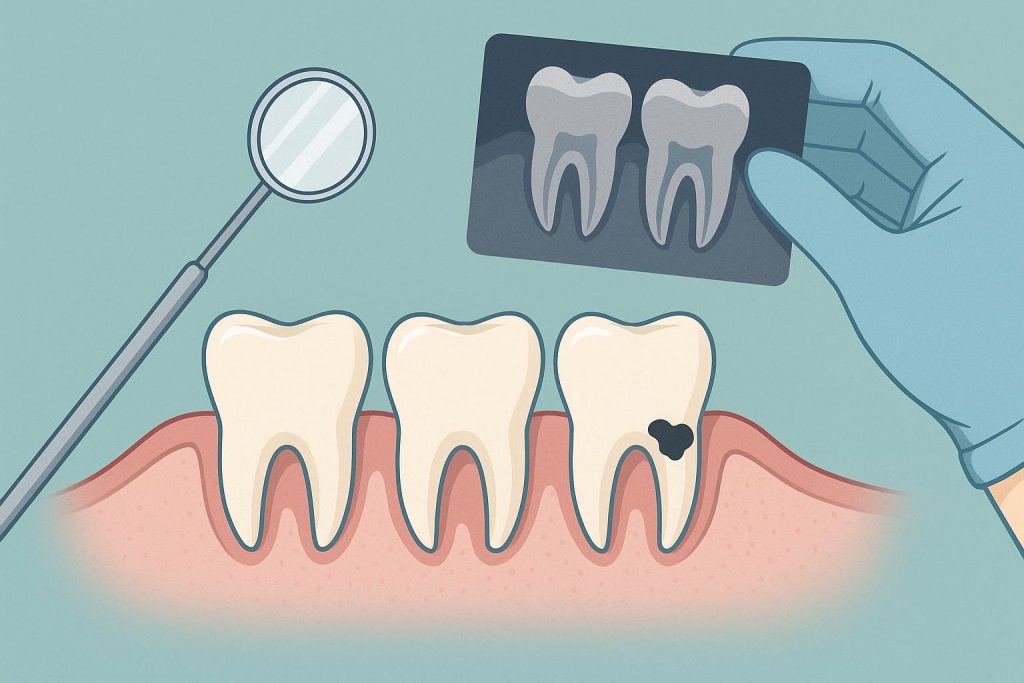
You might be wondering why you should book a dental checkup with a Schaumburg dentist when nothing hurts, nothing looks wrong, and life already feels too busy and too expensive. Maybe you brush, you floss when you remember, and you think, “If something is really wrong, I’ll feel it, right?”end
Then one day a small twinge turns into a throbbing tooth, or a “routine” visit suddenly reveals a deep cavity or early gum disease that you never saw coming. That gap between “everything seems fine” and “how did it get this bad?” can feel scary and unfair.
This is where general dentistry quietly does its best work. A good general dentist is trained to spot tiny changes, early warning signs, and hidden issues long before you feel pain. In simple terms, preventive general dentistry is about catching trouble when it is still easy, less expensive, and far less stressful to fix.
So here is the short version. Regular exams, X‑rays, cleanings, and screenings are not just “clean-up” visits. They are detailed health checks that can pick up tooth decay, gum disease, infections, and even signs of systemic problems while they are still silent. That early detection protects your comfort, your wallet, and in some cases your overall health.
Why waiting for pain can backfire with your teeth
Think about the last time you delayed a medical visit because you hoped something would “just go away.” Teeth rarely work that way. Cavities and gum problems usually start quietly. By the time your tooth aches or your gums bleed a lot, the problem has often been growing for months or even years.
Tooth decay, for example, begins as a small soft spot in the enamel. You will not feel that. Yet once bacteria reach the inner layer of the tooth, pain can appear quickly. The National Institute of Dental and Craniofacial Research explains how tooth decay progresses from early enamel damage to deeper layers of the tooth when it is not treated early. You can read more about that process in their overview of tooth decay stages and causes.
Gum disease has a similar pattern. Early gingivitis often shows up as mild redness or a bit of bleeding when you floss, which many people ignore. Without treatment, this can advance to periodontitis, which can damage the bone that supports your teeth, and at that point you may face loose teeth, infections, or tooth loss.
Financially, this pattern hurts too. A small cavity caught early might need a simple filling. Left alone until it hurts, it may require a root canal, a crown, or even an extraction and replacement. That is a big jump in cost and complexity, all because the problem stayed silent for too long.
So how does a general dentist find problems you cannot feel?
It helps to think of routine general dental care as a series of quiet safety checks. Each part of the visit is designed to pick up something you might never notice at home.
During an exam, your dentist looks for:
- Tiny color or texture changes on your teeth that suggest early cavities.
- Pockets around your gums that signal gum disease starting beneath the surface.
- Cracks or worn areas from grinding that could lead to broken teeth later.
- Signs of infection, such as subtle swelling or changes in how a tooth responds to temperature.
- Changes in your bite that might be stressing certain teeth or joints.
X‑rays add another layer. They can show decay between teeth, bone loss around roots, infections at the tip of the root, and even some cysts or other abnormalities that are invisible to the naked eye. Without X‑rays, many of these issues would not show symptoms until they are much more advanced.
Your hygienist also plays a key role. During a professional cleaning, they do more than remove plaque and tartar. They check how your gums respond, measure pocket depths, and note any bleeding or inflammation. These details help your dentist see patterns over time. That is how early dental problem detection works in the background, visit after visit.
There is also a bigger health picture. The Health Resources and Services Administration highlights how poor oral health in adults is linked to conditions like diabetes and heart disease. You can see some of that discussion in their information on adult oral health and overall health. Your mouth is not separate from the rest of your body. Often it is the first place trouble shows.
What happens if you skip routine visits and “wait and see”?
You might be thinking, “I understand all that, but I am busy, and I feel fine. Is it really that risky to wait?”
Here is a common scenario. You skip a couple of years of cleanings because work and life get in the way. During that time, plaque hardens into tartar below the gumline. You do not feel pain, but slowly the bone around your teeth starts to thin. By the time you notice loose teeth or gum tenderness, the damage may already be difficult or impossible to fully reverse.
Statistically, many adults are in this exact position. Data from the Centers for Disease Control and Prevention shows that a significant portion of adults do not see a dentist every year. Their report on dental visits in the United States highlights how gaps in regular care are common, especially among people who are already dealing with other health or financial pressures.
The emotional side matters too. Dental fear, shame about how your teeth look, or worry about cost can make it even harder to book that appointment. Then the longer you wait, the more you worry about what the dentist will find. It becomes a cycle of avoidance and anxiety.
So where does that leave you? It helps to compare what happens when you rely on pain as your signal, versus what happens when you use general dentistry as early warning and prevention.
Comparing “wait for symptoms” vs preventive general dentistry
The differences between waiting and acting early are not just medical. They include money, time, and peace of mind.
| Approach | What usually happens | Common treatments | Emotional and financial impact |
|---|---|---|---|
| Waiting for pain or visible problems | Issues grow silently until they cause strong pain, swelling, or visible damage. | Emergency visits, root canals, extractions, crowns, deep cleanings, sometimes tooth replacement. | High stress, urgent decisions, higher costs in a short time, missed work due to emergencies. |
| Regular preventive general dentistry visits | Problems are found when they are small or before they start, often during routine checkups. | Cleanings, small fillings, fluoride, sealants, minor bite adjustments, early gum treatment. | Lower stress, planned care, typically lower long‑term costs, better comfort and confidence. |
When you see it laid out this way, it becomes clearer why a general dentist focuses so much on prevention and early detection rather than only “fixing” problems once they hurt.
Three steps you can take now to protect your teeth before they hurt
1. Schedule a true “checkup,” not just a cleaning
If it has been more than a year since your last visit, aim to book a full exam with X‑rays if your dentist recommends them and it is safe for you. Let the office know if you are anxious or worried about cost. Many practices can space out treatment, explain insurance benefits, or suggest lower cost options.
During that visit, ask your general dentist to walk you through what they see on your X‑rays and in your mouth. A quick explanation of where they see early wear, plaque build‑up, or small cavities can help you understand your specific risks and what to watch for at home.
2. Turn home care into early detection support
Brushing and flossing are not just chores. They are also daily checks. As you brush, notice if any tooth feels sensitive, rough, or “different” than before. Pay attention to gum bleeding. Occasional light bleeding when you restart flossing can improve with good care, but regular bleeding or swelling is a signal to call your dentist rather than wait it out.
You do not need fancy tools to support general dental care. A soft toothbrush, fluoride toothpaste, and something to clean between teeth, such as floss or interdental brushes, will do a lot. Consistency is what matters most.
3. Ask your dentist about your personal risk factors
Everyone’s mouth is different. Some people are more prone to cavities because of their saliva, diet, or medications that cause dry mouth. Others have a higher risk of gum disease because of genetics, smoking, or conditions like diabetes.
During your next visit, ask questions such as:
- “Am I at higher risk for cavities or gum disease?”
- “Are there any early signs you see that I should pay attention to?”
- “How often should I realistically come in, given my risk and my budget?”
By tying recommendations to your real life, your dentist can help you build a plan that feels doable rather than overwhelming. That is how early detection in general dentistry becomes a partnership instead of a lecture.
Moving forward with more confidence and less fear
You do not need to wait for a crisis to take care of your mouth. In fact, the whole point of general dentistry is to spare you from those sudden emergencies, long appointments, and big bills whenever possible.
Regular visits, thoughtful home care, and honest conversations with your dentist create a safety net. Problems are more likely to be found when they are still small, manageable, and easier to treat. Your future self, the one who wants to smile, eat comfortably, and avoid dental pain, will be grateful for the choices you make now.
If you have been putting off a visit because you are nervous, ashamed, or worried about what it might cost, you are not alone. Many adults are in the same situation, as the data on missed dental visits shows. What matters most is not how long it has been, but that you choose a starting point.
Reach out to a local general dentist, explain how you are feeling, and ask for a gentle, prevention‑focused checkup. That first step is often the hardest. After that, every visit becomes a way to stay ahead of problems, long before symptoms appear.

