


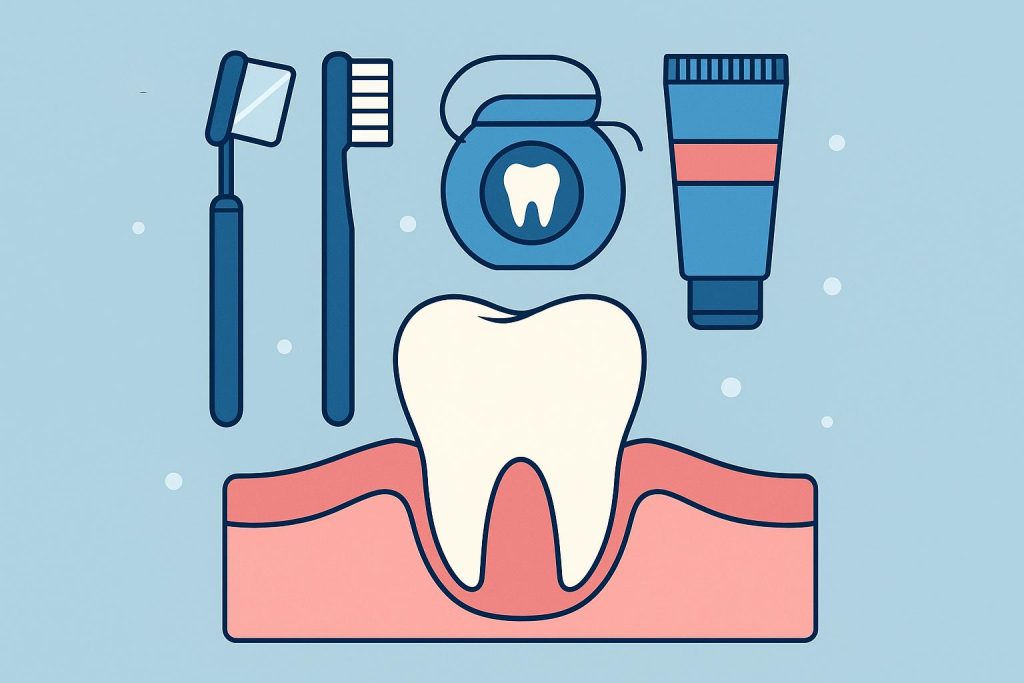
You might be feeling a little torn right now. You want to take good care of your teeth and your family’s health, yet appointments, costs, and mixed advice from the internet can leave you wondering what actually matters. Maybe you have a child who dreads the dentist, a teenager who loves sugary drinks, or a parent whose teeth are starting to feel weaker. By partnering with a trusted family dentist in Winnetka, IL, you can feel more confident about the steps you’re taking. You know waiting for pain is not a plan, but you are not sure what a smarter plan looks like.end
This is where preventive dentistry comes in. Think of it as quiet, steady protection for your teeth at every age, rather than emergency repairs once something breaks. With the right habits and regular care from a family dentist, you can cut down your risk of cavities, gum disease, and tooth loss, and you can often avoid the stressful and expensive treatments that come with “waiting until it hurts.”
So, what does that look like in real life, from early childhood to older adulthood, and how do you make it manageable instead of overwhelming?
Why waiting for pain often costs more in the long run
Most people do not wake up one day and say, “I am going to ignore my teeth.” It happens slowly. A busy season at work. A child’s schedule that takes over the calendar. A small twinge in a tooth that comes and goes, so you push it aside. Because of this, you might end up seeing dental care as a series of emergencies instead of a steady routine.
Here is the hard part. By the time teeth hurt, damage is often more advanced. A tiny cavity that could have been handled with a simple filling might turn into a root canal or even an extraction. Mild gum irritation can turn into gum disease that affects chewing, appearance, and even overall health. That is when stress and costs climb, and choices start to feel limited.
So where does that leave you if you want to do better, but you are not sure how to start without turning your life upside down?
How preventive care looks different at each life stage
Preventive dentistry is not one-size-fits-all. A good family dentist adjusts the plan based on age, health, and risks, so each person gets what they truly need, not a generic checklist. You can think of it as “age specific protection” for your smile.
For babies and young children, the focus is on early habits and comfort. Short, gentle visits build trust. Parents learn how to clean tiny teeth, manage bottles and snacks, and spot early signs of trouble. Fluoride treatments and sealants can protect those back teeth that are so hard for little hands to clean.
For school-age kids and teens, life gets busier and sugar sneaks in through sports drinks, snacks, and social outings. Here, preventive care means regular cleanings, sealants where needed, and honest talks about brushing, flossing, and the impact of things like soda or vaping. Orthodontic checks may also come into play, since crowding can make teeth harder to clean.
Adults often juggle work, stress, and sometimes medical conditions like diabetes or reflux that affect teeth and gums. At this stage, preventive care can catch small gum changes, tiny cracks, or early wear from grinding. This is where many people shift from “I go when something breaks” to a more steady routine. That shift alone can save a lot of future treatment.
Older adults face a different set of questions. Dry mouth from medications, receding gums, and long term wear can increase the risk of decay and tooth loss. The National Institute of Dental and Craniofacial Research has clear information on oral health for older adults, and it shows how preventive visits support eating, speaking, and overall quality of life. At this age, keeping natural teeth and maintaining comfortable dentures or implants is often about thoughtful, regular care, not dramatic procedures.
Across all these stages, the pattern is the same. Small, regular steps now protect you from big, painful steps later.
What happens when preventive dentistry is ignored?
You might be wondering what really happens if you keep putting preventive care off. It can help to walk through a couple of “what if” scenarios.
Imagine a teenager who skips cleanings for years. Plaque and tartar build up quietly. Gums start to bleed when brushing, so the teen brushes less, thinking they are “too sensitive.” Without early care, mild inflammation can progress. According to research summarized by the National Center for Biotechnology Information in its periodontal disease overview, long term gum disease is linked with higher risks for tooth loss and can even connect with systemic health issues. Preventive visits could have caught the early signs, adjusted home care, and avoided that path.
Or picture an older adult with dry mouth from multiple medications. The mouth feels sticky, but that seems like a small annoyance. Over time, though, less saliva means less natural washing away of food and acid. Cavities can start near the gumline, especially around older fillings or crowns. Without regular checks, these cavities spread, and teeth that once needed small repairs may end up needing crowns or removal.
These stories are not about fear. They are about clarity. When you see what can happen without prevention, the value of steady, calm care becomes easier to appreciate.
Comparing short term convenience with long term protection
It can still feel hard to choose preventive visits when nothing hurts today. A simple comparison can help you see what you are really trading.
| Approach | What it looks like day to day | Short term impact | Long term impact |
|---|---|---|---|
| Skipping preventive dentistry | Postponed checkups, going in only for pain or emergencies | Less time in the chair now, lower immediate cost | Higher risk of extractions, root canals, dentures, and more anxiety about sudden problems |
| Regular preventive dental care | Routine cleanings, exams, X rays when needed, steady home care | Small, predictable time and cost, fewer surprises | Lower risk of decay and gum disease, more natural teeth kept, better comfort and confidence |
When you look at it this way, family preventive dentistry is not an extra. It becomes part of how you protect your health, just like sleep, movement, and regular medical checkups.
Three practical steps you can take right now
You do not have to change everything overnight. A few focused steps can make a real difference, no matter your age or starting point.
1. Set a simple schedule and protect it like any other health appointment
Commit to regular visits, usually every six months, unless your dentist suggests a different rhythm based on your risk level. Put these on the calendar for yourself and your family, and treat them like you would a medical follow up. That small act shifts preventive dentistry from “when we find time” to “part of our routine.”
2. Tighten one daily habit instead of chasing perfection
Trying to overhaul every habit at once often fails. Choose one upgrade. For many people, this means brushing twice a day with fluoride toothpaste for two full minutes, or finally adding daily flossing or an interdental cleaner. Show kids how you do it. Make it a shared family routine for a few minutes morning or night. Over time, that one habit supports everything else.
3. Talk openly with your dentist about fears, costs, and priorities
A good family dentist understands that you may be worried about pain, money, or past bad experiences. Say that out loud. Ask what is essential and what can wait. Ask for a clear plan that focuses on prevention and stages any needed treatment. When you feel heard, it becomes easier to return regularly, and those regular visits are what protect your smile across each stage of life.
Moving forward with confidence about your smile
You do not need perfect teeth or a perfect history to benefit from preventive care. You only need a decision to start now. Preventive oral care for every age is less about fancy treatments and more about calm, steady attention over time.
Whether you are caring for a nervous child, a rushed teenager, a stressed adult, or an aging parent, the same truth holds. Small, consistent steps today can spare you pain, cost, and worry tomorrow. A family dentist can walk with you through those steps, adjusting the plan as life changes, so each person in your family has the best chance to keep a strong, comfortable smile for as long as possible.
You deserve that kind of quiet confidence when you eat, speak, and smile. Starting now is enough.

