


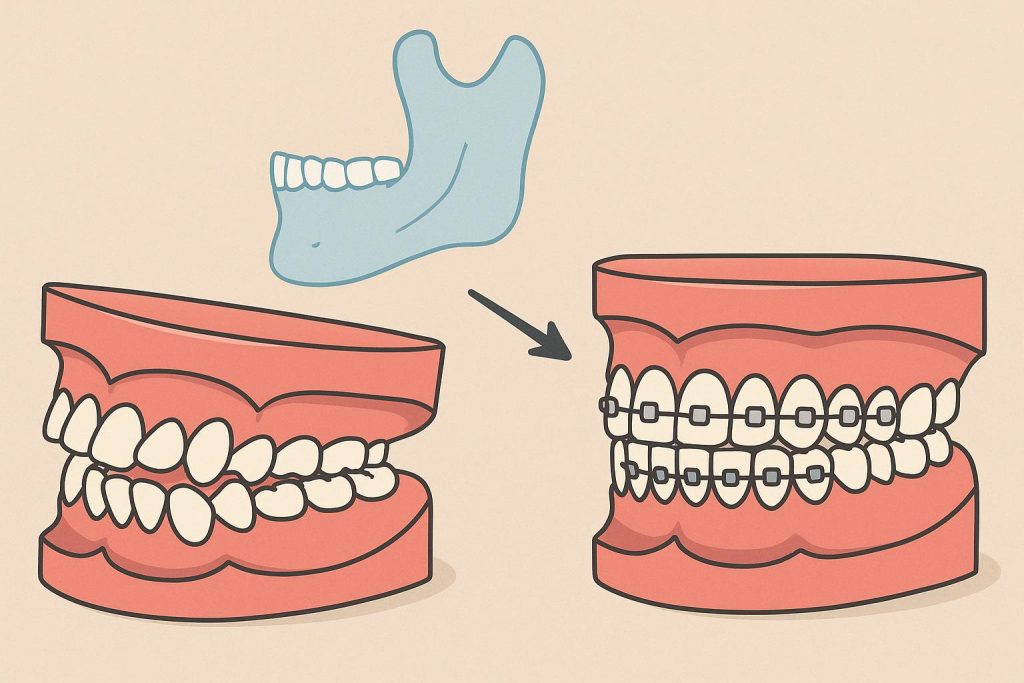
Your jaw does more than help you chew. It shapes your face, guides your breathing, and affects how you speak. When your jaw is not aligned, you may feel strain in your neck, pressure in your teeth, or tension in your head. You may also grind your teeth at night and wake up tired. Many people think orthodontics only straightens teeth for a nicer smile. In reality, careful treatment can guide how your jaw fits and moves. That change can ease pain, protect teeth, and support steady breathing. If you or your child need dental braces in Burlington, you should understand how jaw alignment fits into the plan. This blog explains how orthodontic care can shift jaw position, what signs to watch for, and when treatment can help. You deserve clear answers before you commit to months of care.
Why Jaw Alignment Matters To Your Health
Your upper and lower jaws should meet in a steady, balanced way. When they do not, your teeth and joints must work harder every day. That constant strain can trigger a chain of problems.
Common effects of poor jaw alignment include three main groups of issues.
- Tooth and gum problems such as worn teeth, loose teeth, or gum recession
- Jaw joint problems such as clicking, locking, or pain when you open wide
- Whole body strain such as neck pain, headaches, and poor sleep
The National Institutes of Health explains that bite problems and crowded teeth can raise the risk of gum disease and tooth wear over time.
How Orthodontics Affects Jaw Growth And Position
Orthodontics focuses on how your teeth fit together. That bite controls how your jaw joints sit in their sockets. When treatment changes tooth position, it can also guide jaw position.
Orthodontic care can help in three main ways.
- Shape jaw growth in children and teens while bones are still changing
- Shift tooth position in adults to reduce strain on the joints
- Prepare your mouth for surgery when jaw bones need larger changes
The American Association of Orthodontists and many public health agencies advise an orthodontic check by age 7. At that age, your child still has growth left. Early guidance can prevent deeper problems and complex treatment later.
Common Bite Problems That Affect Jaw Alignment
Your orthodontist will look at how your teeth meet. That bite tells a clear story about jaw balance.
| Type of bite problem | What it looks like | Possible jaw effects |
|---|---|---|
| Overbite | Top front teeth cover too much of the bottom teeth | Jaw joint strain and worn front teeth |
| Underbite | Bottom teeth sit in front of top teeth | Forward lower jaw and trouble biting food |
| Crossbite | Some top teeth sit inside the bottom teeth | Sideways jaw shift and uneven jaw growth |
| Open bite | Front teeth do not touch when you close | Extra work for back teeth and strain when chewing |
| Crowding | Teeth overlap or twist | Uneven bite forces and joint stress |
Each of these patterns can pull the jaw out of balance. Over time, your muscles adapt. That change can feel normal to you, yet the joints and teeth carry quiet damage.
Signs That Your Jaw And Bite Are Out Of Balance
You may not notice a small bite problem in the mirror. Your body still sends clues. You should pay attention to three key groups of signs.
- Jaw and face signs such as clicking, popping, or pain near your ears
- Teeth and mouth signs such as worn edges, chipped teeth, or trouble biting
- Whole body signs such as morning headaches, neck tightness, or snoring
If you wake with sore jaw muscles or your teeth feel loose by evening, your bite may be out of line. Children may chew on one side only, breathe through the mouth, or avoid chewy foods.
How Orthodontic Treatment Corrects Jaw Alignment
Your orthodontist will use tools that match your age and growth pattern. Each tool has a clear role.
- Braces use gentle pressure to move teeth into a better bite
- Clear aligners shift teeth with removable trays
- Expanders widen a narrow upper jaw to correct crossbites
- Jaw growth devices guide how the lower or upper jaw grows in children
In some cases, adults with severe jaw mismatch may need surgery combined with braces. The National Institute of Dental and Craniofacial Research explains how jaw joint and bite problems can affect daily life.
Orthodontics, Breathing, And Sleep
Poor jaw alignment can narrow your airway. That narrow space can cause mouth breathing, snoring, or sleep apnea. Children with these problems may struggle in school. Adults may feel constant fatigue.
Orthodontic care can help through three main actions.
- Widening a narrow upper jaw to open space behind the nose
- Shifting teeth so the tongue can rest in a better position
- Aligning the bite so the lower jaw does not fall back during sleep
Orthodontics is not a cure for every sleep issue. It can still be an important part of a team plan with your medical doctor or sleep specialist.
Preparing For A Visit About Jaw Alignment
You can make your first visit more useful if you prepare three simple things.
- A short list of your main concerns, such as pain, grinding, or snoring
- Photos or notes about when symptoms get worse, such as morning or night
- A record of medicines and past dental work
During the visit, your orthodontist will look at your bite, jaw movement, and face. You may also need X-rays or photos. Together, you can build a plan that respects your health, time, and budget.
Taking The Next Step
Jaw alignment is not only about looks. It affects how you chew, speak, breathe, and rest. When your bite works with your jaw, daily life feels calmer and easier.
If you see signs of strain in yourself or your child, do not wait for pain to grow. You can ask clear questions about how treatment will protect the jaw joints, teeth, and airway. You deserve care that respects both comfort and long-term health.

