


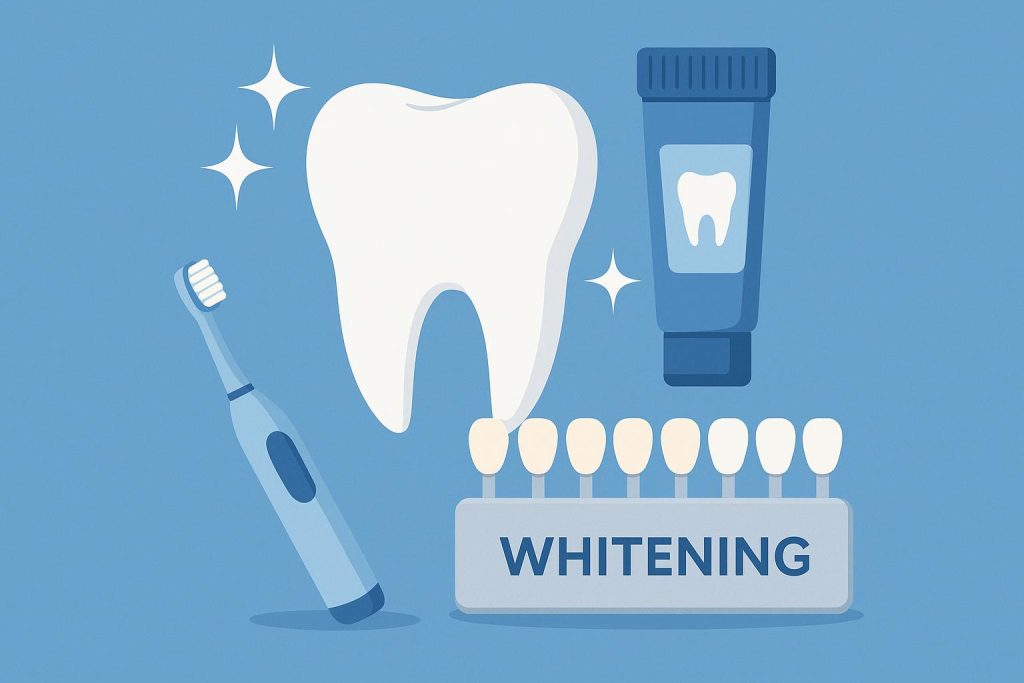
Teeth whitening has become one of the most requested cosmetic treatments. You see it in photos, on screens, and in daily life. People want a smile that feels clean, confident, and strong. Many feel pressure to hide stained or yellow teeth. That pressure can drain your mood and hold you back at work or in close moments. Today, you have safe options that work fast and fit busy schedules. You can choose simple treatments at a trusted dental office. You can also avoid products that waste money or damage enamel. A dentist in South Holland, IL can explain what causes stains, what actually works, and what to skip. This blog explains why teeth whitening is growing, what you can expect during treatment, and how to keep your results. You deserve clear facts, honest guidance, and a smile that matches your true self.
Why More People Choose Teeth Whitening
Teeth whitening has moved from a rare treat to common care. You see it in three main trends.
- Social media and video calls place your smile at the center of attention.
- Whitening has become safer and more controlled with modern gels and lights.
- Costs have become easier to manage with many levels of care.
You may not control every part of your health. Yet you can change the color of your teeth in a short time. That sense of control feels powerful. It can calm long-standing shame and worry.
Common Causes Of Tooth Stains
Stains come from daily life. You often cannot avoid them. You can understand them and plan around them.
- Coffee, tea, and dark sodas
- Red wine and richly colored sauces
- Smoking or other tobacco use
- Poor brushing or skipping cleanings
- Natural aging that thins outer enamel
- Certain medicines during tooth growth
The outer layer of the tooth picks up color. Over time, that color seeps deeper. That is why home products sometimes fail. They do not reach stains below the surface.
The National Institute of Dental and Craniofacial Research explains how enamel and dentin shape tooth color in plain terms at this resource. You can use that as a quick science check while you weigh options.
Professional Whitening Versus Store Products
You face many choices on shelves and online. It can feel loud and confusing. The table below shows key differences.
| Whitening Method | Where You Get It | Typical Time To See Change | Level Of Shade Change | Safety Oversight | Best For |
|---|---|---|---|---|---|
| In office whitening | Dental clinic | About 1 visit | Stronger shade change | Direct dentist control | Fast results for events or deep stains |
| Custom take home trays | Dental clinic | About 1 to 2 weeks | Moderate to strong change | Planned by dentist | Steady change with flexible schedule |
| Store bought strips | Drugstore or online | About 2 to 4 weeks | Mild to moderate change | General product rules only | Light stains and tight budgets |
| Whitening toothpaste | Drugstore or grocery | About 4 or more weeks | Surface stain removal | General product rules only | Daily stain control after treatment |
The key difference is control. A dentist checks your teeth and gums first. You learn if whitening is safe for you. You also hear what results you can expect. That clear talk protects you from hurt and from false hopes.
What Happens During Professional Whitening
Every office has its own steps. Yet most visits follow a simple pattern.
- You share your health history and any pain or sensitivity.
- The dentist checks your teeth, gums, and old fillings.
- You see a shade guide, so you know your starting color.
- Your gums and lips get a barrier for protection.
- Whitening gel goes on your teeth.
- A light or timer guides how long the gel stays in place.
- The gel is removed, and your shade is checked again.
You may feel brief zings of sensitivity. The dentist can adjust the gel strength or time. You stay in control. You can stop and rest at any point.
Is Teeth Whitening Safe
When done under dental care, whitening is safe for most adults. The American Dental Association explains that peroxide-based products can be used when you follow directions and when a dentist first checks your mouth. You can read more at the ADA consumer page on whitening at MouthHealthy.
Some people should wait or choose other care.
- Children and teens with developing teeth
- Pregnant people
- People with untreated decay or gum disease
- People with many crowns or veneers in the front
Whitening does not change the color of fillings, crowns, or veneers. You may need a plan to match shades. A dentist can help you avoid a patchy smile.
How To Keep Your Teeth Whiter Longer
Whitening is not a one-time shield. Stains try to return. You can slow them with three simple habits.
- Rinse with water after coffee, tea, soda, or wine.
- Brush twice each day with fluoride toothpaste.
- See your dentist for cleanings at least two times a year.
You can also use a straw for dark drinks. You can choose lighter sauces. You can cut tobacco. Each step protects both color and health.
Questions To Ask Your Dentist
You deserve straight answers before you start. Bring questions such as these.
- What result can I expect with my current stains
- How long will the change likely last with my habits
- What side effects should I watch for
- What will this cost, and are there lower cost options
- Will I need new fillings or crowns to match the shade
Clear talk builds trust. It also helps you avoid rushed choices fueled by shame or fear.
Choosing What Feels Right For You
Whiter teeth do not fix every hurt. Still, they can unlock calm when you speak, laugh, or meet new people. You do not need to chase a blinding shade. You only need a color that lets you smile without flinching inside.
You can start small with daily habits. You can ask a dentist if whitening makes sense for you. You can then choose the pace and plan that fit your life and your budget. Your smile belongs to you. Your choice should too.

