


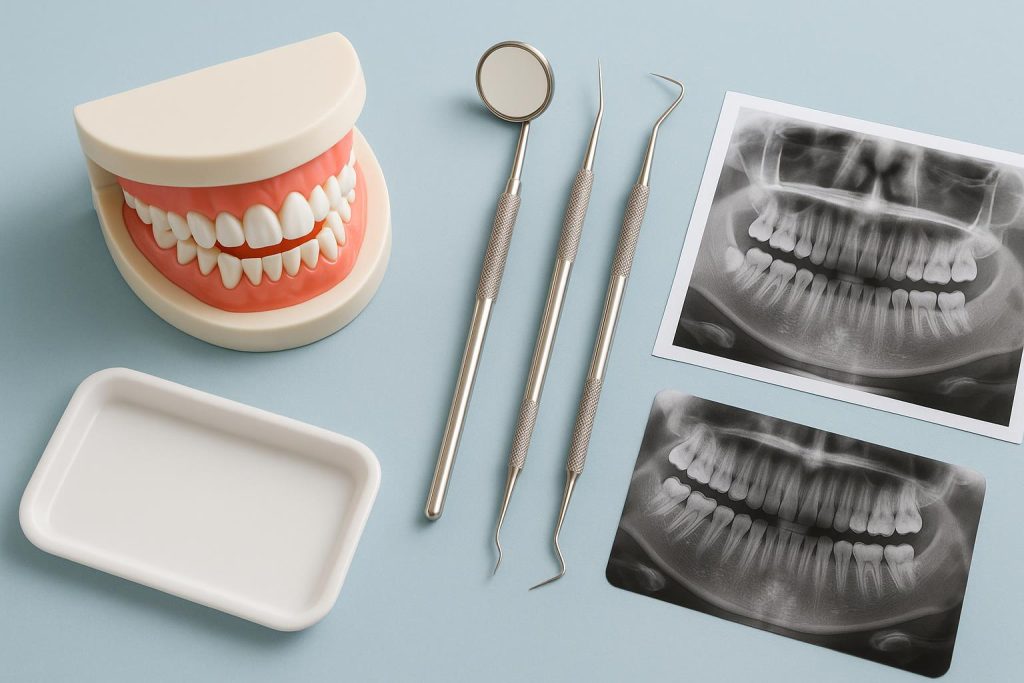
A general dental exam protects more than your smile. It protects how you eat, speak, and feel every day. During a visit, your dentist looks for early signs of decay, gum disease, infection, and oral cancer. Early treatment costs less, hurts less, and saves more teeth. You should know what will happen before you sit in the chair. That knowledge lowers fear, builds trust, and helps you ask strong questions. You can expect a review of your health history, a close look at each tooth, gum checks, and X-rays when needed. You may also get cleaning, fluoride, and simple guidance you can use at home. Some clinics offer dentistas que hablen español so you can share concerns in your own words. This blog explains each step so you walk in prepared and walk out knowing what comes next for your mouth and your health.
Getting ready before the exam
You help your exam go smoothly when you prepare. Bring three things.
- A list of medicines and supplements
- Your medical and dental history
- Your questions and worries
Tell the dentist about heart disease, diabetes, pregnancy, or past surgery. Also, tell them about pain, dry mouth, bleeding, clenching, or grinding. Honest answers guide safe care.
Step 1. Health history and conversation
The visit often starts with a short talk. The team may ask about
- Current health problems
- Allergies and past reactions
- Tobacco, vaping, alcohol, or drug use
- Snoring, sleep apnea, or jaw pain
This is the moment to speak up. Say if you feel fear in the chair. Say if you had bad care in the past. Clear talk helps the team protect you and your family.
Step 2. X-rays and other images
X-rays show what eyes cannot see. They reveal decay between teeth, bone loss, infections, and hidden teeth. The team will cover your body with a shield and use quick, low-dose images.
For facts on dental X-rays and safety, review the National Institute of Dental and Craniofacial Research.
Step 3. Check of teeth, gums, and mouth
The dentist then looks at each tooth and the soft tissue around it. They use a small mirror and a probe. They look for
- Soft or dark spots that may mean decay
- Broken, worn, or loose teeth
- Old fillings or crowns that leak
- Red, puffy, or bleeding gums
- Sores, patches, or lumps in the cheeks, tongue, or throat
They may measure the space between the tooth and the gum. Deeper spaces can mean gum disease. They may also feel your jaw joints when you open and close.
Quick comparison of common exam steps
| Exam step | What happens | Why it matters |
|---|---|---|
| Health history | Review forms and talk about your health | Find risks and plan safe care for you |
| X rays | Take images of teeth and bone | Spot hidden decay and infection early |
| Gum check | Measure spaces around teeth | Find gum disease before tooth loss |
| Tooth exam | Look at each tooth and existing work | Find cracks, wear, and weak spots |
| Oral cancer screen | Look and feel for lumps or sores | Catch disease when treatment works best |
| Cleaning | Remove plaque and tartar, polish teeth | Cut risk of decay and gum disease |
| Home care plan | Discuss brushing, flossing, diet | Help you protect your mouth between visits |
Step 4. Oral cancer screening
Many people do not expect this step. Yet it can save a life. The dentist will
- Look at lips, tongue, cheeks, and the roof of the mouth
- Check the throat and tonsil area
- Feel the jaw and neck for swollen nodes
They watch for sores that do not heal, white or red patches, or rough spots. Most changes are harmless. Some are not. A quick check once or twice a year gives strong protection.
Step 5. Cleaning and fluoride
Next, a hygienist or dentist cleans your teeth. They remove plaque and tartar that brushing leaves behind. They clean along the gumline and between teeth. Then they polish to smooth the surface so new plaque does not stick as fast.
Fluoride may follow. It can come as foam, gel, or varnish. Fluoride strengthens tooth enamel and slows decay. Children and adults both gain from it, especially if they have a history of cavities.
You can read more about fluoride from the Centers for Disease Control and Prevention at https://www.cdc.gov/fluoridation/index.html.
Step 6. Talking through the results
After the exam, the dentist explains what they saw. You should hear three clear points.
- What is healthy right now
- What needs care soon
- What you can change at home
Ask for simple words. Ask for pictures of your X-rays. Ask about choices, costs, and timing. If you feel unsure, say so. A good dentist respects your questions and gives straight answers.
Supporting children and older adults
Children often feel fear in a new setting. You can help by
- Explaining the visit in plain words
- Staying calm and steady during the exam
- Bringing a comfort item if allowed
Older adults may face dry mouth, loose teeth, or trouble brushing. Share these issues with the dentist. Ask about simple tools like larger handled brushes, floss holders, or mouth rinses that fit their needs.
How often to schedule exams
Many people do well with a visit every six months. Some need care more often. People who smoke, have diabetes, wear braces, or have gum disease may need closer follow-up. The dentist will suggest a schedule that matches your risks and habits.
Leaving the visit with a clear plan
You should leave each exam with three things.
- A written summary of findings
- A list of needed treatments with timing
- Simple steps to follow at home
When you know what to expect, a general dental exam feels less like a test and more like a partnership. You protect your teeth. You guard your health. You also set a strong example for the people who look to you for care.

