


You might be feeling a little torn about routine dental care right now. Maybe you keep pushing your cleaning back because of work, kids, money, or simple dread of that chair. It started with one cancelled visit, then another, and now it has been longer than you want to admit since your last checkup. You are not alone, and you are not careless. Life just gets loud. When you’re ready to get back on track, west Houston cosmetic dentistry can help you feel confident about your smile again.
At the same time, a small part of you probably wonders what is going on with your teeth and gums in the background. You might notice a bit of sensitivity, a little bleeding when you floss, or a dark spot you keep pretending is “just coffee.” Because of this tension, you might be asking yourself whether seeing a general dentist twice a year is really worth the time and cost, or if it is just something people say you “should” do.
Here is the short version. Biannual general dentistry appointments are less about fixing problems and more about preventing them from ever getting big. They save you money, protect your comfort, and even support your overall health. Those two visits a year can mean the difference between simple cleanings and years of expensive, painful dental work.
Why do regular general dentist visits matter so much?
Think about how dental problems usually start. Cavities begin as soft spots that you cannot see or feel. Gum disease often starts silently, with only mild redness or bleeding. You can brush and floss faithfully and still miss areas where plaque hardens into tartar. By the time you feel pain, the damage is often advanced, and the treatment gets more complex and more costly.
This is where a routine general dental checkup earns its value. In a biannual visit, your dentist and hygienist are not just polishing your smile. They are checking for early decay, gum inflammation, oral cancer signs, bite changes, and wear from grinding. They are looking for tiny clues that something is off, long before you would notice it yourself.
So, where does that leave you if you have skipped a few appointments and feel a bit embarrassed or nervous about going back? The truth is, most people have been in that position at some point. Dental teams see it every day. What matters is not how long it has been, but the choice you make now.
What are the real risks of “waiting until it hurts”?
It can be tempting to think, “If I am not in pain, I am probably fine.” Pain feels like a natural warning system, but with oral health it is often a late one. According to public health data from sources like the Centers for Disease Control and Prevention, tooth decay and gum disease are widespread, yet many adults delay care until they have a serious problem.
Here is what that delay often looks like in real life. A small cavity that could have been treated with a quick filling grows deeper, reaches the nerve, and suddenly you are facing a root canal or an extraction. Mild gum inflammation that could have been reversed with a cleaning progresses into periodontitis, which can lead to bone loss and loose teeth. A tiny sore that did not seem like much could be an early sign of oral cancer that needs prompt attention.
Beyond the mouth, untreated oral disease can affect your ability to eat comfortably, speak clearly, and feel confident in social and professional settings. There is also growing research on the connection between oral health and conditions like diabetes and heart disease. For example, national indicators of oral health outcomes show that adults with low access to care have higher rates of tooth loss and untreated decay, which can affect nutrition and general well-being. You can see how these patterns play out in federal data on oral health indicators.
So the real question is not “Do I need to go twice a year because someone said so?” but “What am I risking if I only react when something hurts?”
How do biannual appointments protect both your health and your wallet?
Biannual general dentistry appointments act like a safety net. Each visit helps catch small issues early, clean away buildup your toothbrush cannot handle, and keep track of subtle changes in your mouth over time. For many adults, especially those with chronic conditions or limited access to care, preventive visits can be the difference between manageable maintenance and serious disease. Organizations like the Health Resources and Services Administration highlight how consistent preventive dental care supports better outcomes for adult oral health overall.
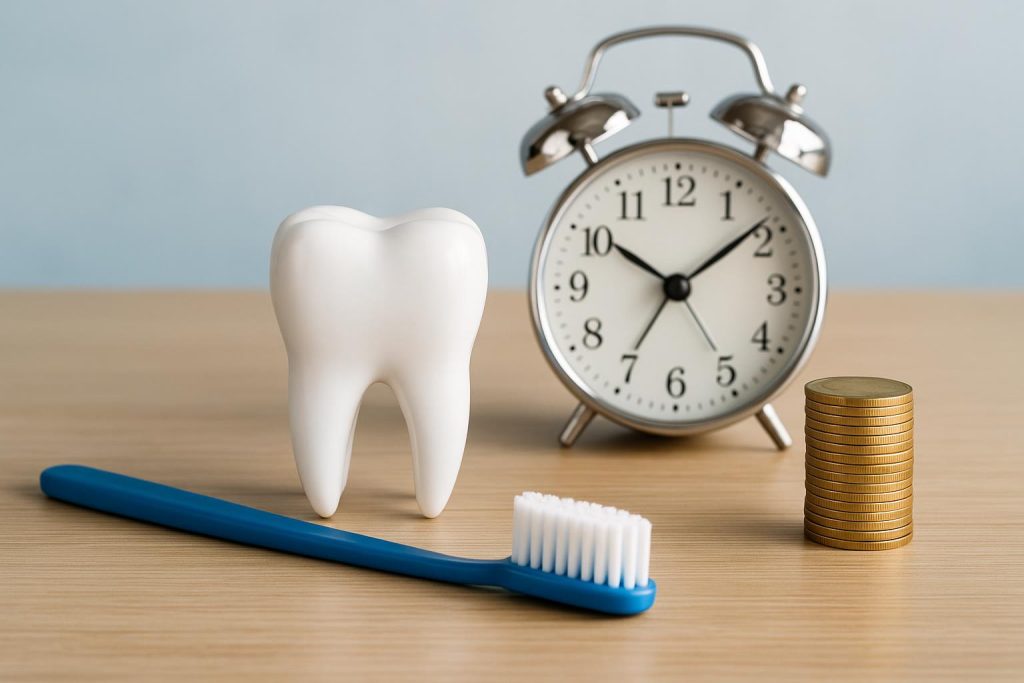
If you are concerned about cost, it helps to think in terms of prevention versus repair. Two checkups and cleanings a year usually cost far less than a single major procedure. When you spread those visits over twelve months, the investment is often smaller than what many people spend on streaming services, takeout, or subscriptions. Yet the return is far more meaningful, because it affects your health and comfort every single day.
Is skipping visits really more expensive in the long run?
To make this clearer, it can help to see a simple comparison between staying consistent with your biannual dental checkups and waiting until something is obviously wrong.
| Approach | What Typically Happens | Short-Term Cost | Long-Term Impact |
|---|---|---|---|
| Biannual general dentist visits | Early detection of small cavities, gum issues, and bite problems. Plaque and tartar removed before they cause serious damage. | Predictable cost for exams and cleanings, sometimes covered or partially covered by insurance. | Fewer major procedures, lower overall costs, better comfort, and higher chance of keeping your natural teeth. |
| “Wait until it hurts” approach | Problems grow silently. Pain appears when decay or infection is advanced, or when gums and bone are already damaged. | Little or no cost at first, but sudden large expenses when emergency care is needed. | More fillings, root canals, extractions, and possibly dentures or implants. Higher financial and emotional stress. |
When you see it side by side, the choice becomes clearer. The calmer, more predictable path is regular care with a trusted general dentist, even if that means overcoming some fear or reshuffling your schedule.
What can you do right now to get back on track?
If you are feeling overwhelmed, it helps to break things into a few simple steps. You do not need to overhaul everything at once. You just need to start.
1. Schedule your next general dentist appointment, even if you feel behind
Pick up the phone or go online and book a cleaning and checkup. When you call, be honest about how long it has been. Dental teams hear this every day, and their job is to help you move forward, not judge the past. Ask for a time when you are least likely to cancel, such as a quieter morning or an afternoon when you have childcare or work coverage.
2. Use home care as your daily “maintenance plan”
Biannual visits work best when they support good daily habits. Brush twice a day with fluoride toothpaste. Floss once a day, even if you start with just a few teeth and build up. If your dentist suggests specific tools like an electric toothbrush or interdental brushes, think of them as small upgrades that protect the investment you are making in your teeth and gums.
3. Plan for costs before they surprise you
If money is tight, ask about costs up front. Many offices can estimate your out of pocket amount and explain payment options. Some offer membership or savings plans for patients without insurance. You can also set aside a small amount each month in a separate “health” envelope or account, so that when your visit comes around, the expense feels expected instead of stressful.
Moving forward with more confidence and less fear
It is completely normal to feel a mix of guilt, worry, and resistance around dental visits, especially if you have had a bad experience or have been away for a while. What matters most is that you are thinking about it now, and you care about your health enough to question your habits.
Choosing regular care with a general dentist is not about being perfect. It is about giving yourself a steady rhythm of support, so that small issues stay small and your smile stays strong. Those twice-yearly appointments are a smart investment in your comfort, your confidence, and your future self.
You deserve care that feels respectful and manageable. Reach out to a general dentist, put that next visit on the calendar, and take the first step toward a calmer, more predictable relationship with your oral health.

