


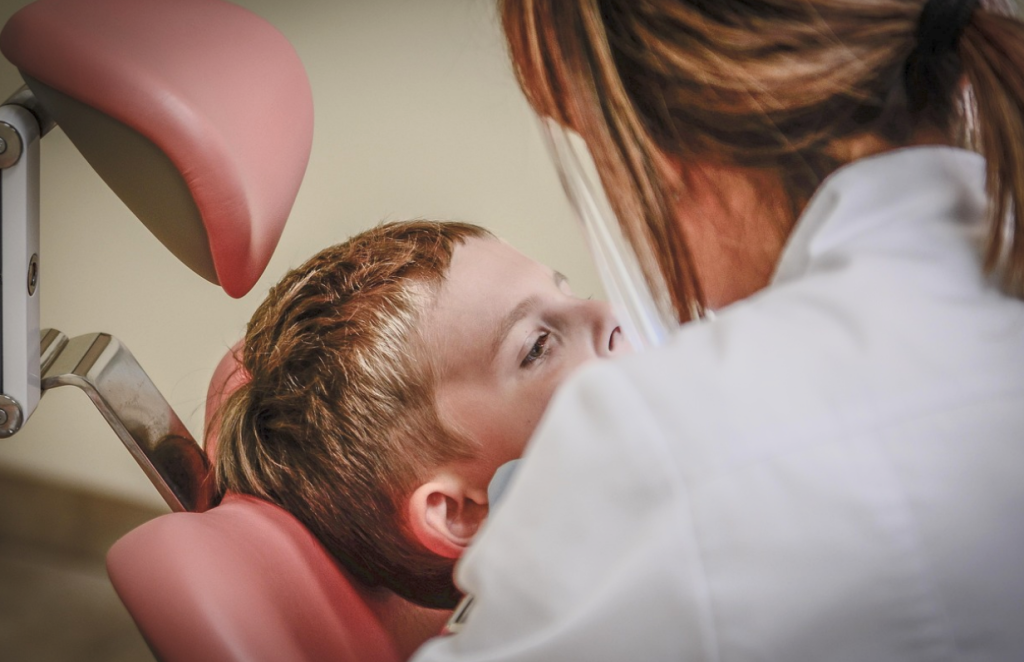
Cosmetic dentistry once felt out of reach for many people. Today that is changing fast. You now see lower prices, more payment choices, and better results. You do not need a movie star budget to fix a chipped tooth or brighten a dark smile. New tools cut office time. Insurance plans cover more services. Many offices spread costs across simple monthly payments. A dentist Fresno may offer clear prices and step by step treatment plans that fit your income. This shift is not a trend. It is a steady move toward care that respects your limits and your time. You can compare options online, ask direct questions, and choose what works for you. The old fear of surprise bills starts to fade. You gain control. You gain choice. You gain a real chance to change your smile without wrecking your savings.
What Counts As Cosmetic Dentistry
Cosmetic treatment focuses on how your teeth look. It often also improves how your mouth works. Common options include three main groups.
- Whitening for stained or dull teeth
- Repair for chips, cracks, and gaps
- Straightening for crowded or crooked teeth
Teeth whitening can be done in an office or at home with trays from a dentist. Bonding uses tooth colored material to fix small flaws. Veneers cover the front of teeth. Clear aligners and braces move teeth into better positions.
These treatments used to feel like luxury care. Now they often link with routine health needs. The Centers for Disease Control and Prevention explains that poor oral health is connected with many body problems.
Why Prices Are Dropping
Three big forces are pulling costs down.
1. Better Technology
Modern tools reduce time in the chair. They also cut repeat visits.
- Digital scans replace many messy molds
- 3D printers create models and guides faster
- Stronger materials last longer and need fewer repairs
Shorter visits mean lower costs for the office. That often leads to lower fees for you.
2. More Competition
More dentists now offer cosmetic work. You see more training, more advertising, and more choice. Offices know you can compare prices online. Many publish fee ranges and treatment steps. Some offer free short consults.
This competition pushes offices to control costs. It also pushes them to explain prices in plain words.
3. New Payment Options
Many offices now spread costs over time. You may see.
- Zero interest payment plans for a set number of months
- Discounts for full payment upfront
- Membership plans for people without insurance
These choices do not lower the full price. They do make monthly costs more bearable. That brings care within reach for more families.
How Insurance And Public Programs Help
Insurance once paid only for urgent or basic care. That line is softer now. Some cosmetic work also prevents damage or pain. In those cases, coverage may apply.
For example.
- A crown to repair a broken tooth
- Orthodontic care to fix a bite problem in a child
- Bonding to protect worn edges
Public programs for children often cover work that also improves looks. For details, see this guide from the National Institute of Dental and Craniofacial Research.
Coverage rules are strict. You need clear records and notes that show why the work protects health. You can ask the office to send a pre-estimate to your plan, so you know what to expect.
Typical Cost Ranges Today
Costs vary by city, material, and how many teeth you treat. Still, national ranges can help you plan. These numbers are rough and for private pay. Insurance may change your share.
| Treatment Type | Typical Cost Per Tooth / Per Treatment | Usual Longevity With Good Care | Possible Cheaper Alternative |
|---|---|---|---|
| In office whitening | $300 to $1,000 per session | 1 to 3 years | Take home trays from dentist |
| Take home trays | $200 to $400 total | 1 to 3 years | Store bought whitening with dentist advice |
| Bonding | $100 to $400 per tooth | 3 to 10 years | Short term repair and watchful waiting |
| Porcelain veneer | $900 to $2,500 per tooth | 10 to 15 years | Bonding or limited orthodontic care |
| Clear aligners | $1,500 to $8,000 total | Permanent with retainers | Traditional braces in some cases |
| Traditional braces | $3,000 to $7,000 total | Permanent with retainers | Limited treatment for front teeth only |
Costs today are often lower than they were ten years ago when you adjust for what you earn and for inflation. You also get longer-lasting materials. That means fewer repeat treatments across your life.
Smart Ways To Cut Your Costs
You can lower your own costs with three simple steps.
1. Use Preventive Care
Regular checkups catch problems early. Small cavities and minor chips are cheaper to fix than deep decay or broken teeth. The American Dental Association suggests visiting the dentist at least once a year for many people. Some need more visits. Ask what makes sense for you.
2. Compare Treatment Plans
You have a right to clear options. When a dentist suggests cosmetic work, ask three questions.
- What happens if you do nothing right now
- Is there a lower cost option that still protects health
- How long should the work last with normal care
Then you can ask for a written plan with itemized fees. You may choose to start with the most urgent work and delay the rest.
3. Consider Dental Schools
Dental schools often offer lower-cost care. Students work under close watch from trained faculty. Treatment takes more time but costs less. Many schools provide cosmetic services such as whitening, bonding, and veneers.
You can search for nearby dental schools through your state dental board or dental association website.
Balancing Wants And Needs
It is natural to want a better smile. It is also wise to protect your budget. You can balance both by sorting treatments into three groups.
- Urgent needs that affect pain or daily function
- Health needs that prevent future damage
- Pure wants that focus only on looks
Start with urgent needs. Then handle prevention. Finally, choose cosmetic changes that matter most to you. You may find that one or two small changes, such as whitening and fixing a front chip, give you enough peace with your smile.
Taking Your Next Step
You do not need to feel trapped by high prices or shame about your teeth. You can ask questions, request clear numbers, and say what you can afford. You can start small. You can stop at any time.
Cosmetic dentistry is not just for the rich anymore. With new tools, more payment paths, and better coverage, you can shape a plan that respects your money and your health. That calm control is the real change. Your smile can reflect it.

