
You might be feeling a little uneasy every time you or your child sits in the dental chair. Maybe there was a small twinge when you bit into something cold, a bit of bleeding when you brushed, or your child’s teacher mentioned they complain about tooth pain at school. It did not seem like a big deal at first, yet now it is in the back of your mind more often than you would like, and you are considering seeing a cosmetic dentist in Richmond for help.
Because of this tension, you may be wondering if you are missing something important. You care about your family’s health, you try to keep up with brushing and flossing, yet the idea that a hidden problem could be growing quietly is unsettling.
That is exactly where a family dentist becomes less of a “tooth checker” and more of a long term partner. By catching the most common oral health problems early, a family dentist can often help you avoid pain, expensive treatment, and a lot of worry. In simple terms, early attention means small problems stay small.
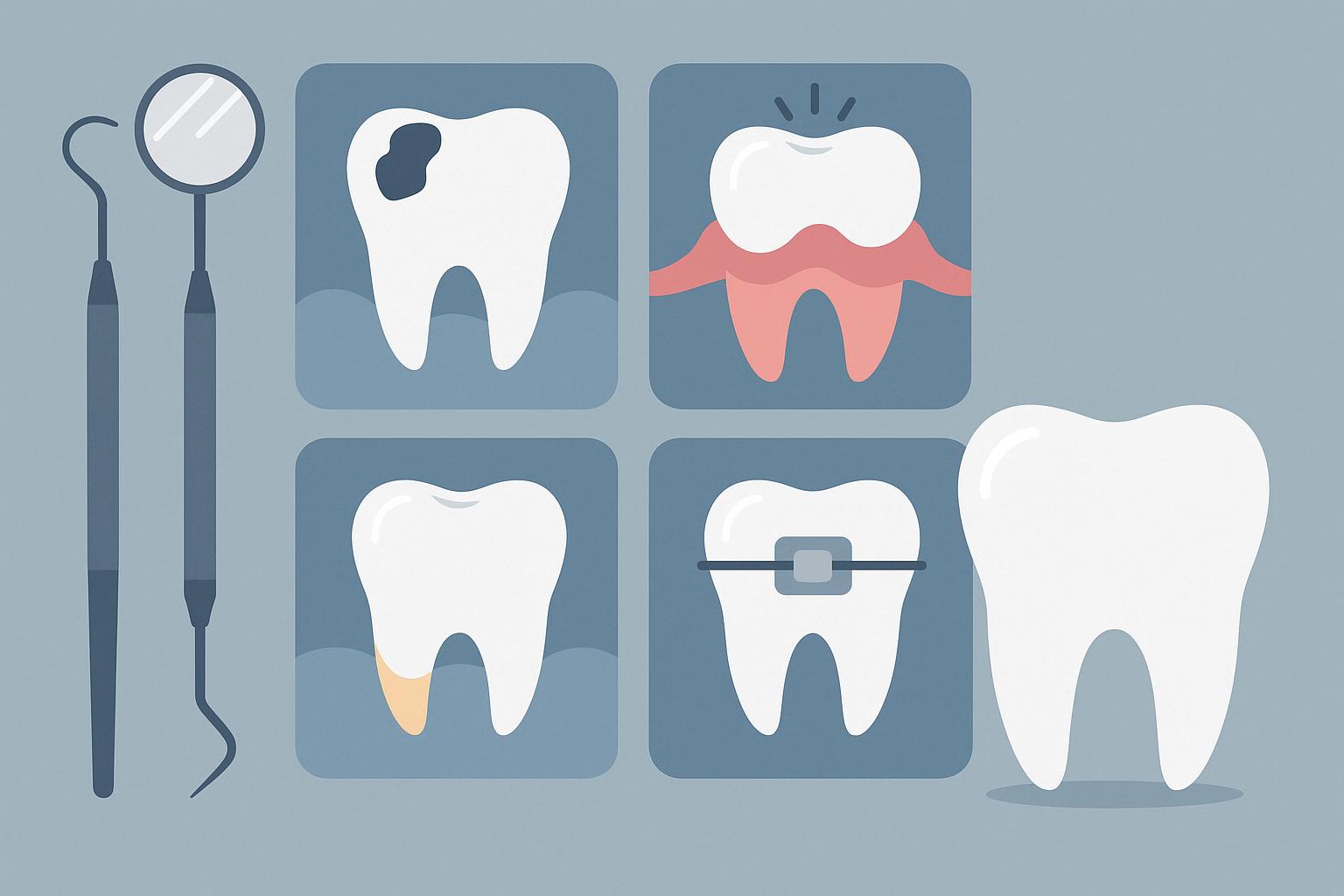
Here is the heart of it. There are four issues that show up again and again in family care. Cavities, gum disease, alignment and bite problems, and enamel wear or tooth sensitivity. When you understand how these start, what they feel like, and how a family dentist steps in early, the whole picture feels less scary and much more manageable.
Why do small dental issues feel easy to ignore at first?
Most oral health problems begin quietly. You can have early cavities, mild gum disease, or bite issues with almost no pain at all. That quiet start is what makes things tricky. Life is busy. If your child is active, you are juggling work, school, and meals on the go, small signs are easy to brush aside.
Consider this. A child mentions that cold water “stings a little,” or you see a bit of pink in the sink after brushing. It is easy to think “I will watch it and see if it gets worse.” By the time it does feel worse, the problem has usually grown.
The emotional side is real too. Many people carry past dental fears or feel embarrassed about not having “perfect” habits. That shame can keep you from calling a family dentist even when you know you probably should. Yet the earlier you walk in, the simpler and more affordable the solutions tend to be.
So where does that leave you today? It helps to know what family dentists look for in those early visits and why it matters.
1. Cavities and tooth decay that start as tiny “soft spots”
Cavities rarely begin with sharp pain. They usually start as softening of the enamel. You might see a white or light brown spot, feel a mild sensitivity to sweets, or notice your child avoiding chewing on one side.
According to the Centers for Disease Control and Prevention, tooth decay is one of the most common chronic conditions in both children and adults. You can read more about how cavities form and progress in this resource on cavities and tooth decay.
Here is the hard part. Once a cavity gets through the enamel and into the deeper layers, it does not heal on its own. Left alone, it grows, can reach the nerve, and may require a root canal or even removal. That is a big leap from what started as a small “soft spot.”
A family dentist focuses on catching cavities when they are still tiny. Early decay can often be treated with small fillings, sealants on back teeth, and adjustments to daily habits. For children, this can mean staying ahead of problems before they affect eating, sleep, or school focus.
2. Gum disease that begins with quiet bleeding and swelling
If you have ever brushed and seen a bit of blood, you might have shrugged it off. “I must have brushed too hard.” In many cases, that light bleeding is an early sign of gum inflammation. This stage is called gingivitis, and it is much more common than most people realize.
The CDC notes that gum or periodontal disease is widespread among adults, especially as we get older. You can see an overview of this condition in their guide to gum and periodontal disease.
Early gum disease can bring tender gums, bad breath that does not go away, and a feeling that your gums look puffier than they used to. It usually does not hurt enough to force you to act, which is why it can quietly progress for years.
A family dentist is trained to spot these first changes. With regular cleanings, guidance on brushing and flossing, and sometimes special rinses or deep cleaning, many cases of early gum disease can be reversed or controlled. Left alone, though, it can lead to gum recession, loose teeth, and even tooth loss.
3. Alignment and bite problems that affect more than just looks
When people think about crooked teeth, they often picture braces and cosmetic concerns. What can be easy to miss is that misaligned teeth and bite problems can affect how your child chews, how clearly they speak, and how easily they can clean their teeth.
In children, early signs might include crowded teeth, mouth breathing, thumb sucking that lingers, or a jaw that looks slightly off center. In adults, you might notice jaw soreness, frequent biting of the cheeks, or teeth that look worn down from grinding.
Family dentists watch for these patterns as children grow. Early referral for orthodontic evaluation, or simple guidance on habits, can prevent more serious issues later. For adults, a family dentist might suggest night guards, minor reshaping of tooth surfaces, or referral for orthodontic care if needed.
4. Enamel wear and sensitivity that hint at hidden habits
Tooth sensitivity can show up as a quick, sharp twinge with cold air, cold drinks, or sweets. Enamel wear might look like flattened edges on teeth, tiny chips, or a yellowish appearance as the inner layer of the tooth becomes more visible.
These signs often point to everyday habits. Grinding or clenching, sipping acidic drinks throughout the day, brushing too hard, or using a hard bristled toothbrush. On their own, they seem small. Over time, they can thin the enamel and expose the sensitive layer underneath.
A family dentist helps connect those dots. They can recommend a softer brushing technique, fluoride products to strengthen enamel, changes in how and when you consume acidic drinks, or a custom night guard to protect your teeth while you sleep. Addressing these early can keep “sensitive teeth” from turning into broken or worn down teeth later.
How does early care from a family dentist compare to “wait and see”?
It is normal to wonder whether you really need to act now, especially if money or time feels tight. A simple way to think about it is to compare early family dental care with a wait and see approach.
| Issue | Early attention with a family dentist | “Wait and see” approach |
|---|---|---|
| Cavities | Small fillings or sealants. Short visits. Lower cost. | Possible root canals, crowns, or extractions. More visits. Higher cost and more discomfort. |
| Gum health | Routine cleanings and home care adjustments. Gums often return to health. | Progression to advanced gum disease. Risk of tooth loss and more complex treatment. |
| Alignment and bite | Early guidance or referral. Sometimes simpler orthodontic treatment. | More complex crowding or jaw issues. Longer and more involved orthodontic care. |
| Tooth wear and sensitivity | Night guards, enamel protection, and habit changes. Sensitivity controlled. | Cracks, chips, and worn teeth that may need crowns or other restorations. |
When you see it laid out, the pattern is clear. Early care with an experienced family dental provider keeps choices simpler and often far less costly, both financially and emotionally.
What can you do right now to protect your family’s oral health?
You do not need to overhaul everything at once. A few focused steps can make a real difference.
1. Pay attention to small signs instead of brushing them off
Notice patterns. Does someone in your family have recurring tooth sensitivity, bleeding gums, or bad breath that does not improve with brushing? Does your child complain about chewing on one side, or avoid certain foods because they “hurt my teeth”?
Write these down or make a quick note in your phone. These details help a family dentist understand what might be starting and how to address it before it grows.
2. Commit to a consistent checkup rhythm
Regular checkups are not just for cleaning. They are where early changes are spotted. For most families, every six months is a good rhythm, though your dentist may suggest more frequent visits if there are specific concerns.
If it has been a while, that is okay. You are not alone, and you are not being judged. The most important step is simply to get back on the schedule so that potential issues are seen and handled early.
3. Strengthen the basics at home with small, realistic changes
Perfect habits are not required. Consistent habits matter more. Aim for brushing twice a day with fluoride toothpaste, especially before bed, and flossing once a day. For children, make it part of a simple routine. For example, brushing right after putting on pajamas.
If you are unsure about what products to use or how to help a resistant child, bring those questions to your family dental care provider. They can suggest tools, like kid friendly brushes, floss holders, or simple visual charts that turn brushing into something that feels achievable instead of a daily battle.
Moving forward with more confidence and less worry
You do not need to be perfect to protect your family’s oral health. You simply need to stay curious, notice small changes, and give a trusted family dentist the chance to step in early. The four common issues that so often cause problems later in life, cavities, gum disease, alignment problems, and enamel wear, are all far easier to handle when they are caught at the beginning.
If you want to understand more about how oral health connects to overall well being, the CDC offers a helpful overview of oral health basics that can support what you hear in the dental office.
You deserve to feel calm walking into a dental visit, knowing you are doing what you can for yourself and the people you love. The next small step, whether it is scheduling a checkup, asking about a worrying symptom, or tightening up home care, can spare your family a great deal of pain and expense later on.
Your choices today do not have to be perfect. They just need to be early.
