
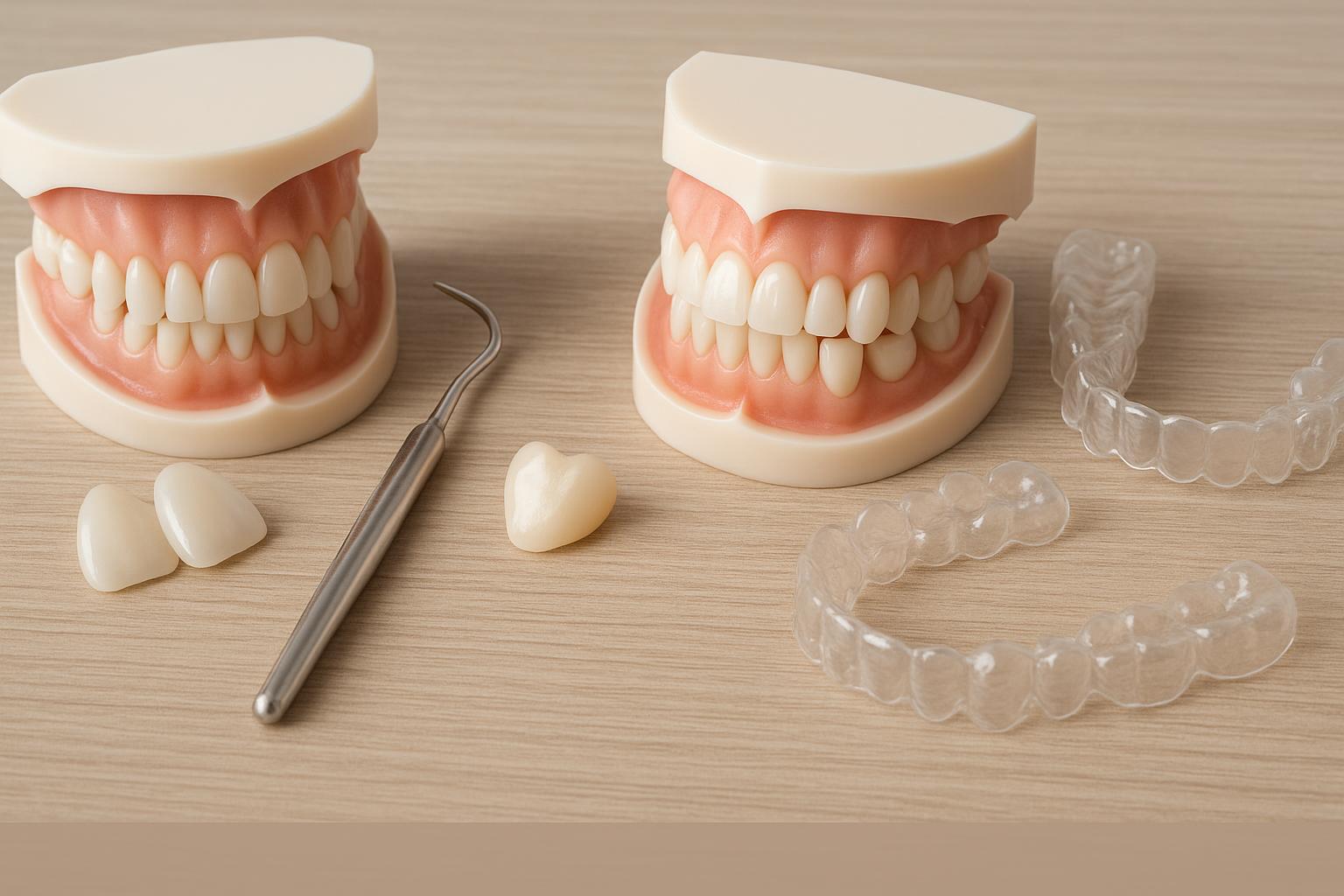
You might be feeling a mix of frustration and hope every time you look in the mirror. Maybe your teeth are healthy, but the color, shape, or gaps keep drawing your eye. With cosmetic dentistry East Grand Rapids, you have options to address those concerns. You smile with your lips closed in photos. You cover your mouth when you laugh. You wonder if there is a way to change your smile without ending up with something that looks fake or feels uncomfortable.end
If that sounds familiar, you are not alone. Many people want a better smile, but they also want it to look like them. They want natural, long lasting results, not a “Hollywood” grin that everyone can spot from across the room. Because of this tension, you might be unsure where to start or which cosmetic dentistry options are actually worth considering.
The good news is that modern cosmetic dentistry procedures for natural, long lasting results focus on subtle change. The best work looks like you on your best day. In simple terms, four procedures tend to give the most reliable, natural looking improvements. These are professional teeth whitening, dental bonding, porcelain veneers, and modern crowns. Each one has its own strengths, costs, and maintenance needs, and understanding those differences can help you make a calm, informed choice.
Why does your smile bother you more than you expected?
Maybe it started with one chipped tooth that you kept meaning to fix. Or you noticed your teeth getting darker over time from coffee, tea, or just aging. Perhaps old fillings show when you smile, or you have small gaps that make you feel self conscious even though no one has ever said anything about them.
These small issues can add up emotionally. You might hesitate during job interviews, dates, or important events. You know that a smile should feel easy, yet yours feels like something you have to manage. This can be draining, and it is completely understandable that you want a change that feels both safe and realistic.
So where does that leave you? You start to look into options and quickly discover a wide range of treatments, prices, and opinions. Some websites promise dramatic “smile makeovers” overnight. Others warn about overdoing it. You may also worry about cost and whether the results will last long enough to justify the investment.
Cosmetic dentistry, when done carefully, aims to balance appearance, function, and long term health. The American Dental Association has long emphasized that any cosmetic work should still respect your overall oral health and bite. Reputable providers follow evidence based standards, similar to those discussed in professional guidelines from the ADA, to keep treatments safe and durable.
To feel more in control, it helps to understand the four core procedures most people consider when they want a natural result that endures everyday life.
Which cosmetic procedures actually look natural and last?
There are many options, but these four are the backbone of modern natural cosmetic dental treatment. Each can be used alone or combined, depending on what bothers you most.
1. Professional teeth whitening for a brighter, still “you” smile
Professional whitening gently lightens the shade of your natural teeth. It works well for stains from coffee, tea, wine, or aging. Done correctly, it keeps the natural variation in color so your smile does not look flat or artificial.
In office whitening uses stronger, carefully controlled materials than store bought strips. It is planned and monitored by a dentist, similar to the approach used in academic settings such as university based cosmetic dentistry clinics. Many people see noticeable results in one or two visits. With good home care, those results can last one to three years, though touch ups may be needed.
Whitening is usually the first step in many smile plans, because it sets a lighter base shade before any bonding, veneers, or crowns are matched to your teeth.
2. Dental bonding for small chips, gaps, and uneven edges
Bonding uses tooth colored resin to repair minor flaws. It can close a small gap, fix a chip, lengthen a worn tooth, or cover a stubborn spot that whitening will not change. The dentist shapes the material directly on your tooth, then hardens it with a special light.
Because bonding is sculpted by hand, the result can be very natural when done by a skilled dentist. It often requires little or no removal of healthy tooth structure. The tradeoff is that bonding can stain over time and may need polishing or replacement every 5 to 10 years, depending on your habits.
3. Porcelain veneers for shape, color, and symmetry
Veneers are thin shells of porcelain that cover the front of your teeth. They are custom made in a lab to match your desired shade and shape. Veneers work well if you want a more uniform smile, need to correct uneven or worn teeth, or have deep discoloration that whitening cannot fix.
High quality veneers reflect light in a way that mimics real enamel. When the color and shape are chosen thoughtfully, they can look extremely natural. Veneers usually last 10 to 15 years or longer with good care. They do require some removal of enamel, so they are a bigger commitment than bonding or whitening.
4. Modern porcelain crowns for damaged or heavily restored teeth
Crowns cover the entire tooth above the gumline. They are used when a tooth is cracked, heavily filled, or has had root canal treatment. Older crowns were often metal with porcelain fused on top, which could look opaque or show a dark line near the gum.
Today, all porcelain or ceramic crowns can be both strong and natural looking. They are color matched to your other teeth and shaped to fit your bite. Crowns generally last 10 to 15 years, sometimes longer, especially when you keep up with regular checkups and cleanings.
How do these options compare in cost, durability, and care?
It is easy to feel overwhelmed when trying to compare treatments. You might wonder whether to start small with whitening or go straight to veneers or crowns. The table below offers a simple side by side view of the four main options, so you can see how they differ in durability, maintenance, and typical use.
| Procedure | Best for | Typical longevity | Tooth change required | Natural look potential | Maintenance considerations |
|---|---|---|---|---|---|
| Professional whitening | Overall yellowing or surface stains | 1 to 3 years | None | High when shade is chosen conservatively | Avoid heavy staining habits, periodic touch ups |
| Dental bonding | Small chips, gaps, uneven edges | 5 to 10 years | Minimal, often none | High, depends on dentist’s skill | Can stain, may need polishing or repair |
| Porcelain veneers | Shape, color, alignment of front teeth | 10 to 15+ years | Moderate, thin layer of enamel removed | Very high when customized carefully | Good home care, avoid biting hard objects |
| Porcelain crowns | Damaged or heavily restored teeth | 10 to 15+ years | Significant, full coverage | High with modern materials | Regular checkups, protect from grinding if needed |
Professional organizations remind dentists that cosmetic work should respect function and health. Documents such as the American Dental Association’s policy reports, including their annual reports available through the ADA’s official publications, highlight the importance of evidence based care. For you, this means the right procedure is the one that improves your confidence without sacrificing the long term health of your teeth and gums.
What should you do next if you are considering cosmetic dental work?
Once you understand the main options, the next question is how to move from ideas to action without feeling pressured or rushed. You can take a few calm, practical steps that keep you in control.
1. Clarify what actually bothers you most
Before any appointment, take a quiet moment and list the top three things you would change about your smile. Is it color, shape, gaps, or old dental work showing? Rank them in order of importance. This simple exercise helps you and a family and cosmetic dentist focus on what truly matters to you, rather than getting lost in every possible option.
You can also gather a few photos of your own smile from times you liked how you looked. These can guide your dentist toward a result that feels familiar and authentic, not like someone else’s teeth.
2. Schedule a consultation focused on education, not pressure
Look for a dentist who offers both general and cosmetic care. That way your treatment plan can balance health and appearance. During the consultation, pay attention to how much time the dentist spends listening. A good provider will ask what you want, explain different options, and be honest about what is realistic.
Ask to see before and after photos of cases similar to yours. Ask how long each option typically lasts and what maintenance is required. You are not committing to anything at this stage. You are gathering information so you can choose from several possible paths.
3. Start with the least invasive, most reversible option
Whenever possible, begin with treatments that do not permanently change your teeth. Whitening is often a sensible first step. If you love the brightness, you can then decide whether to add bonding or veneers for shape and symmetry. If you are unsure about veneers, you can ask your dentist to do a temporary mock up so you can see and feel the proposed change before making a final decision.
For teeth that are cracked or heavily filled, you may have fewer choices, and a crown might be the safest long term option. Even then, you can still discuss materials, shade, and shape so the result blends naturally with the rest of your smile.
Moving toward a smile that feels like you
You do not have to live with a smile that makes you hide or hesitate. Modern cosmetic dentistry offers subtle, natural looking options that can last for many years when chosen and cared for wisely. By understanding whitening, bonding, veneers, and crowns, and by taking the time to clarify your goals, you can work with a trusted dentist to create changes that feel comfortable, durable, and true to who you are.
The first step is simple. Reach out to a family and cosmetic dentist you feel you can talk to openly. Bring your questions, your concerns, and your hopes for your smile. From there, you and your dentist can design a plan that respects both your appearance and your long term oral health, so you can smile without second guessing yourself again.
