
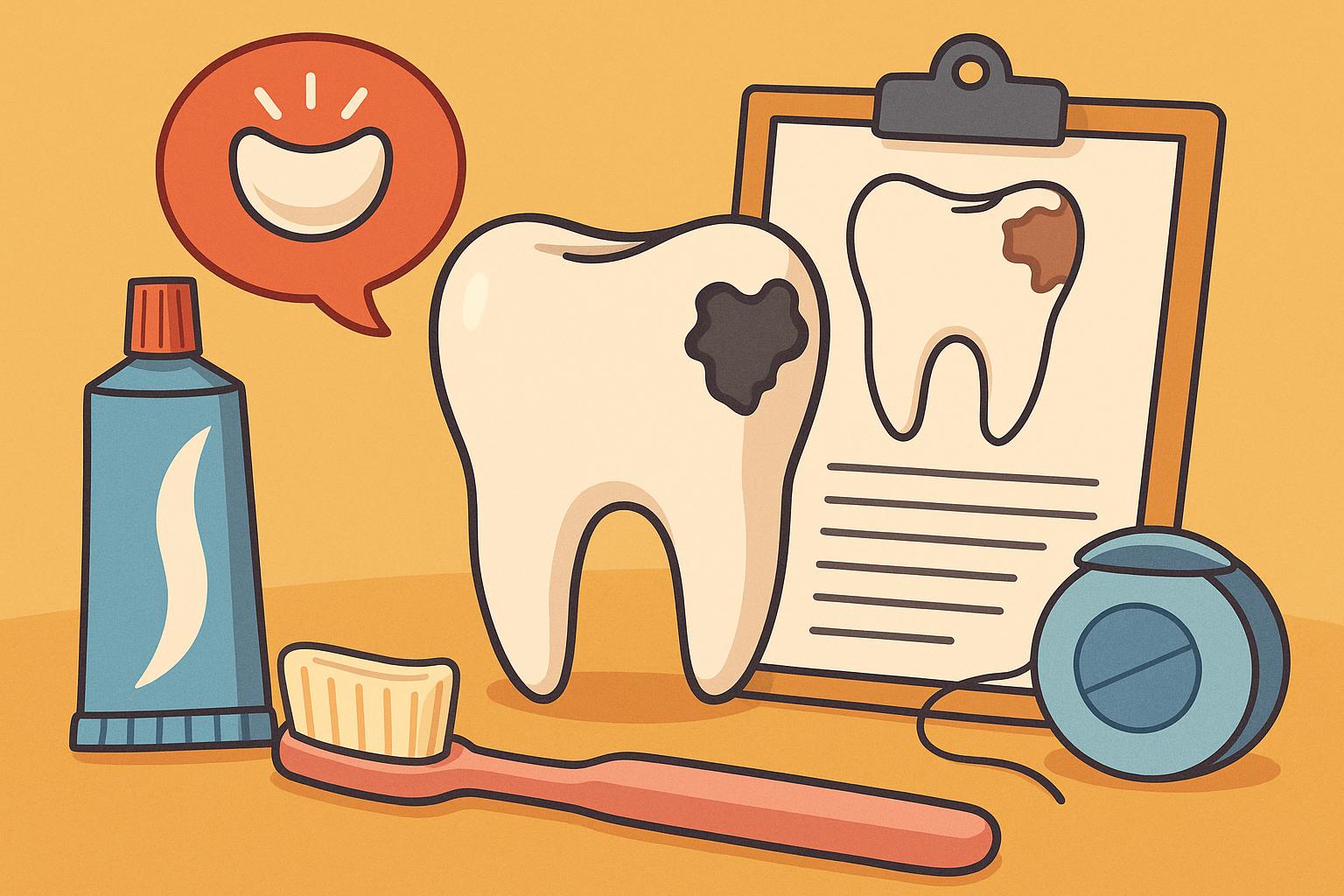
You might be looking at your child’s smile and thinking, “Everything looks fine, they are not complaining, so we must be okay.” Then a small spot shows up on a tooth, or their breath smells different, or they start avoiding crunchy foods, and suddenly you are wondering if you have missed something important and whether it’s time to consult Westchester pediatric dentistry.
That worry is very real. No parent wants to feel like they overlooked a problem, especially something as basic as their child’s teeth. The hard part is that many childhood cavities start quietly. There is no big dramatic moment. No tears. No middle-of-the-night cries. Just slow, silent changes that are easy to brush off as “no big deal.”
Here is the simple truth. Children can have cavities with absolutely no pain. The earlier you notice the small warning signs, the easier and more affordable treatment usually is. You protect your child from bigger problems later, and you protect yourself from the guilt of “I wish I had caught this sooner.”
This guide walks you through five common signs of cavities in kids, even when they are not hurting. You will see what to watch for, what it might mean, and when it is time to reach out to a pediatric dentist. Along the way, you will find links to trusted resources, so you are not relying on guesswork or social media advice.
Why do kids get cavities even when they brush every day?
Cavities are not a sign that you are a bad parent or that your child is lazy. They are the result of a mix of things. Bacteria in the mouth, frequent snacks or sugary drinks, night-time bottles or nursing without cleaning the teeth afterward, and even genetics. The CDC explains tooth decay as one of the most common chronic diseases in children.
The emotional part is often harder than the medical part. You might feel embarrassed, especially if a teacher, grandparent, or another parent points something out first. You might worry about the cost of treatment or about your child being scared in the dental chair. Because of this tension, you might be tempted to wait and see if it gets better on its own.
Here is where the frustration grows. Cavities do not heal by themselves. Once the enamel is broken, the decay keeps going. It may move slowly or quickly, but it does not reverse without treatment. So the earlier you spot the signs, the more control you have.
What are the quiet signs your child may have a cavity?
So, if your child is not in pain, what should you look for in their mouth and their behavior at home?
1. White, brown, or dark spots on the teeth
Early cavities often start as faint white, chalky spots along the gumline or in the grooves of the back teeth. These can be easy to miss, especially on wiggly toddlers. As decay progresses, those spots can turn light brown, then darker brown or almost black.
If you notice a spot that was not there a few months ago, or a tooth that looks “stained” compared to its neighbors, it may be more than just leftover food or surface discoloration. That could be an early sign of a cavity in a child’s tooth that has not started hurting yet.
2. Food getting stuck in the same place
Pay attention if your child keeps complaining that “something is stuck” in the same part of their mouth. Cavities often create small holes or rough edges that trap food easily. You might see food caught between teeth, or you might just notice that they are always poking at a particular area with their tongue or finger.
Even if they are not in pain, repeated food impaction in one area is a red flag that deserves a closer look from a pediatric dentist.
3. Sensitivity to cold, hot, or sweet foods
Your child might not say “my tooth hurts,” but they might suddenly avoid ice cream, cold water, or crunchy snacks. Some kids wince for a second, then move on. Others quietly stop eating certain things without saying much at all.
That brief twinge when something cold or sweet hits a tooth can be a sign that the outer layer is weakening. Early tooth decay in children often shows up this way, long before steady pain begins.
4. Bad breath that does not go away
Morning breath is normal. Breath right after a garlicky meal is normal. Breath that stays sour or unpleasant even after brushing and rinsing can be something else. Cavities can trap bacteria and food, which leads to ongoing odor.
If you are brushing your child’s teeth regularly and still noticing strong breath, especially from one side or one area, it is worth mentioning to a dentist.
5. Changes in chewing or avoiding one side of the mouth
Children sometimes protect a sensitive tooth without realizing it. They might chew on only one side, cut food into tiny pieces, or suddenly refuse harder foods like apples or carrots. You might notice them pausing while chewing, then switching sides.
Even without direct complaints of pain, this kind of behavior can point to a cavity that is starting to bother them occasionally.
What happens if you ignore a small cavity in a child?
It can be tempting to wait. Especially if your child seems fine. No crying, no sleepless nights, no obvious hole in the tooth. You might wonder, “If baby teeth fall out anyway, is this really urgent?”
Here is the hard part. Cavities in baby teeth can spread quickly. They can move from enamel to the deeper layers of the tooth, reach the nerve, cause infections, and even affect the developing adult teeth below. Untreated decay can lead to pain, missed school, and more involved treatments like crowns or extractions.
There is also the emotional cost. A child who has a painful experience later may become fearful of dentists for years. Early, gentle care by a pediatric dentist can prevent that spiral and build trust instead.
How does early care compare to waiting until there is pain?
To make the decision clearer, it helps to see the difference between addressing a suspected cavity early and waiting until symptoms are obvious.
| Situation | What it usually looks like | Likely impact on your child | Typical outcome at the dentist |
|---|---|---|---|
| Early visit when you first notice signs | Small spot on tooth, mild sensitivity, no constant pain | Minimal or no discomfort, less fear, easier first experiences | Simple filling or preventive treatment, quicker visits, lower cost |
| Waiting until there is obvious pain | Toothache, swelling, trouble sleeping, avoiding chewing | Higher anxiety, possible infection, missed school or activities | More complex work like nerve treatment or extraction, more visits, higher cost |
| Regular preventive checkups | No visible problems, routine cleanings and exams | Child gets used to the dentist, stronger habits and confidence | Early detection of tiny issues, sealants and fluoride to prevent decay |
Research supports this approach. Good daily care and routine dental visits are strongly recommended in the CDC’s oral health tips for children. Prevention and early action are almost always easier on both you and your child.
What can you do right now if you are worried about cavities?
You may be thinking, “All of this sounds like my child. So what do I do next?” Here are clear steps you can take today.
1. Do a gentle home check without scaring your child
Choose a calm time. Use a small flashlight or the light on your phone and ask your child to “show me your shark teeth” or “your superhero teeth.” Make it a game. Look for:
- White, brown, or dark spots on any teeth
- Food that always seems stuck in the same place
- Red, puffy, or bleeding gums around one tooth
If you see something that worries you, take a clear photo. This can help you describe it when you schedule a visit.
2. Tighten up daily brushing and snack routines
Even before a dental visit, small changes at home can slow down early decay.
- Brush twice a day with a fluoride toothpaste. For young children, use just a tiny smear the size of a grain of rice. For older kids, a pea-sized amount.
- Help or supervise brushing until at least age 7 or 8. Most kids do not have the coordination to clean well on their own before that.
- Limit constant snacking and sugary drinks, especially between meals and at bedtime.
The American Academy of Pediatric Dentistry offers practical guidance on home care and dental visits. You can find parent resources through the AAPD parent center to support these changes.
3. Schedule a checkup with a pediatric dentist
If you see any of the signs above, or if your child has not had a dental visit in the last six months, it is time to schedule. A children’s dental checkup is not just about fixing problems. It is about catching them early, building trust, and guiding you on what is realistic for your family.
Explain to your child that the dentist will “count your teeth and make them shiny.” Keep it simple and calm. Avoid sharing any scary stories you might have heard from adults. Pediatric teams are trained to work at your child’s pace and to keep the experience as gentle as possible.
Moving forward with more confidence and less fear
If you are reading this and recognizing your child in several of these signs, you are not alone. Many parents discover their child’s first cavity during a routine visit, long before any pain appears. That is actually a success. It means you have a chance to handle this while it is small.
By watching for early changes, strengthening home care, and staying connected with a pediatric dentist, you give your child something far more important than a perfect checkup. You give them a calm, steady relationship with dental care and a better chance at a healthy smile for years to come.
You do not need to have all the answers before you reach out. Start with what you see and what you are worried about. A trusted pediatric dentist can help you sort out whether those 5 signs your child might have a cavity are something urgent or something to simply monitor with regular visits.
