


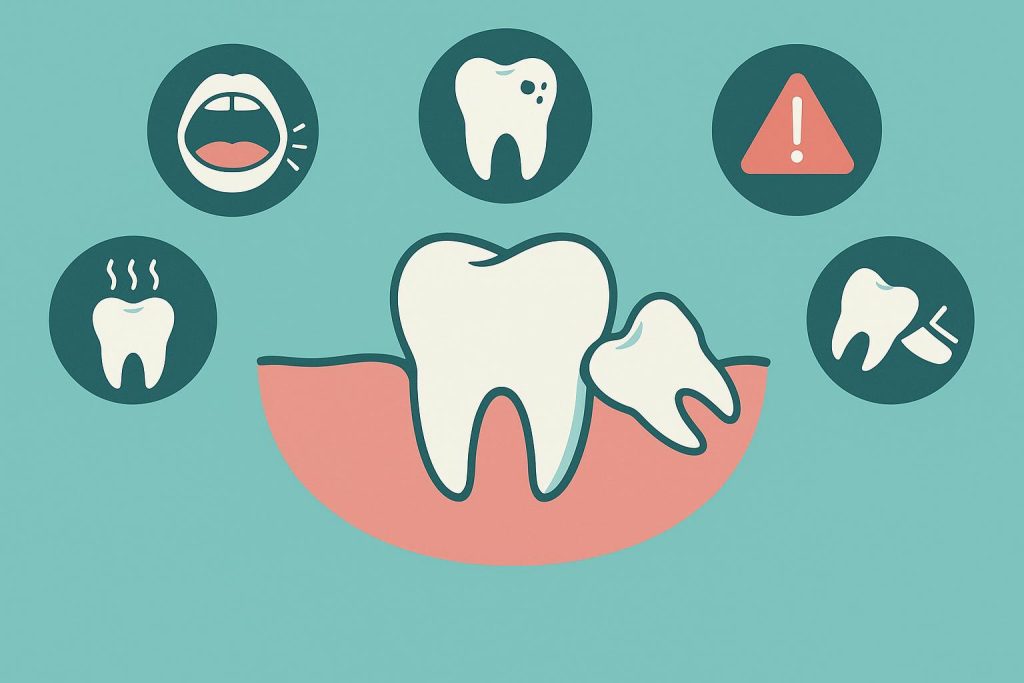
Your teen may say their wisdom teeth are “no big deal,” but your instincts might feel different. Wisdom teeth can stay quiet for years, then cause sudden pain, swelling, or infection. You cannot always see the damage in a mirror. Hidden pressure can crowd other teeth, trigger headaches, and affect sleep. Early checks protect your teen from bigger problems later. You do not need to wait for severe pain or a trip to the emergency room. Instead, you can watch for clear warning signs that show it is time for expert help. This blog will walk you through five specific signs that your teen’s wisdom teeth need a professional check. You will learn what is normal, what is not, and when to contact general dentistry Hesperia for a closer look. Your calm action today can spare your teen from sudden fear and urgent treatment tomorrow.
1. Ongoing pain or pressure in the back of the mouth
Pain is the most clear warning. It can feel sharp, dull, or like steady pressure in the back of the jaw. Your teen might say it hurts when they chew, yawn, or brush.
Pay attention if the pain:
- Lasts more than a few days
- Comes back again and again
- Spreads to the ear, jaw, or head
Sometimes the wisdom tooth pushes against the tooth in front of it. That pressure can damage healthy teeth. It can also change how the upper and lower teeth meet.
A dentist can take an X-ray and see the tooth under the gums. The dentist can also check for deep cavities, cracks, or cysts that your teen cannot feel yet.
2. Swollen, red, or bleeding gums near wisdom teeth
Gums around a wisdom tooth often trap food and germs. That soft tissue can get sore and infected. Your teen might avoid brushing that spot because it hurts.
Watch for signs such as:
- Red or puffy gums behind the last molar
- Bleeding when brushing or flossing near the back teeth
- A small flap of gum that catches food
This kind of infection near a wisdom tooth is called pericoronitis in clinical terms. It can make it hard to open the mouth or swallow. It can also cause bad breath and a bad taste.
The National Institute of Dental and Craniofacial Research explains that trapped bacteria raise the risk of tooth decay and gum disease. A dentist can clean the area, rinse it, and decide if the tooth should come out.
3. Crowding or shifting teeth after braces
You might notice that straight teeth from braces now look slightly crooked. The front teeth may start to overlap again. Your teen might feel new tightness when they bite.
Look for three common changes:
- Front teeth crossing or twisting
- Retainer no longer fitting right
- New gaps or loss of old spaces
Wisdom teeth can push from behind. That pressure can undo years of orthodontic work. It can also change your teen’s bite and cause jaw strain.
A dentist or orthodontist can compare new X-rays with older ones. They can check if wisdom teeth are part of the problem or if something else is causing the shift.
4. Repeated jaw stiffness, headaches, or ear pain
Wisdom teeth can cause pain that does not feel like a “tooth problem.” Your teen might complain about:
- Morning jaw stiffness
- Headaches near the temples
- Ear pain without signs of an ear infection
The roots of wisdom teeth sit close to nerves. Swelling in that tight space can send pain into the jaw, head, or ear. It can also make chewing tiring.
You may see your teen chew on one side to avoid discomfort. You may also notice they avoid hard foods that they used to enjoy.
A dental exam can rule out other causes and focus on the wisdom teeth. The dentist can also check the jaw joint and muscles to see how much strain they carry.
5. Repeated infections, bad breath, or trouble cleaning
Even if your teen brushes and flosses, wisdom teeth can be hard to reach. That problem can lead to repeated infections.
Warning signs include:
- Bad breath that does not improve after brushing
- A bad taste in the mouth that comes back
- Swelling that flares up every few months
These signs show that germs stay trapped under the gums or between teeth. Over time, that can spread infection to the jawbone or nearby teeth.
The Centers for Disease Control and Prevention notes that untreated oral infections can affect eating, sleep, and school focus. A dentist can help protect your teen’s health and daily life.
Wisdom teeth: watch and wait or remove
Not every wisdom tooth needs to come out at once. Some can stay if they grow straight, clean, and painless. Others carry more risk and need removal.
| Situation | Common Dentist Advice | What You Can Expect |
|---|---|---|
| No pain and tooth is fully in | Watch with regular X-rays | Routine checks and cleaning |
| Mild crowding and hard to clean | Discuss early removal | Short recovery and less future risk |
| Impacted tooth pushing on others | Recommend removal | Protects nearby teeth and bite |
| Repeated infections or swelling | Urgent removal plan | Lower risk of serious infection |
| Cysts or damage on X-ray | Specialist referral and removal | Close follow up and clear treatment plan |
How you can support your teen
Many teens feel fear or shame about mouth pain. They might hide it or hope it goes away. Your calm response matters.
You can support your teen by:
- Asking simple, direct questions about pain and changes
- Looking together with a small mirror and good light
- Scheduling a check even if you feel unsure
Early checks often mean simpler treatment and shorter healing. Waiting usually means more pain and more cost.
If you see any of these five signs, contact a trusted dentist or general dentistry Hesperia for an exam. Clear information, careful X-rays, and a plain plan can bring your teen relief and protect their future smile.

