
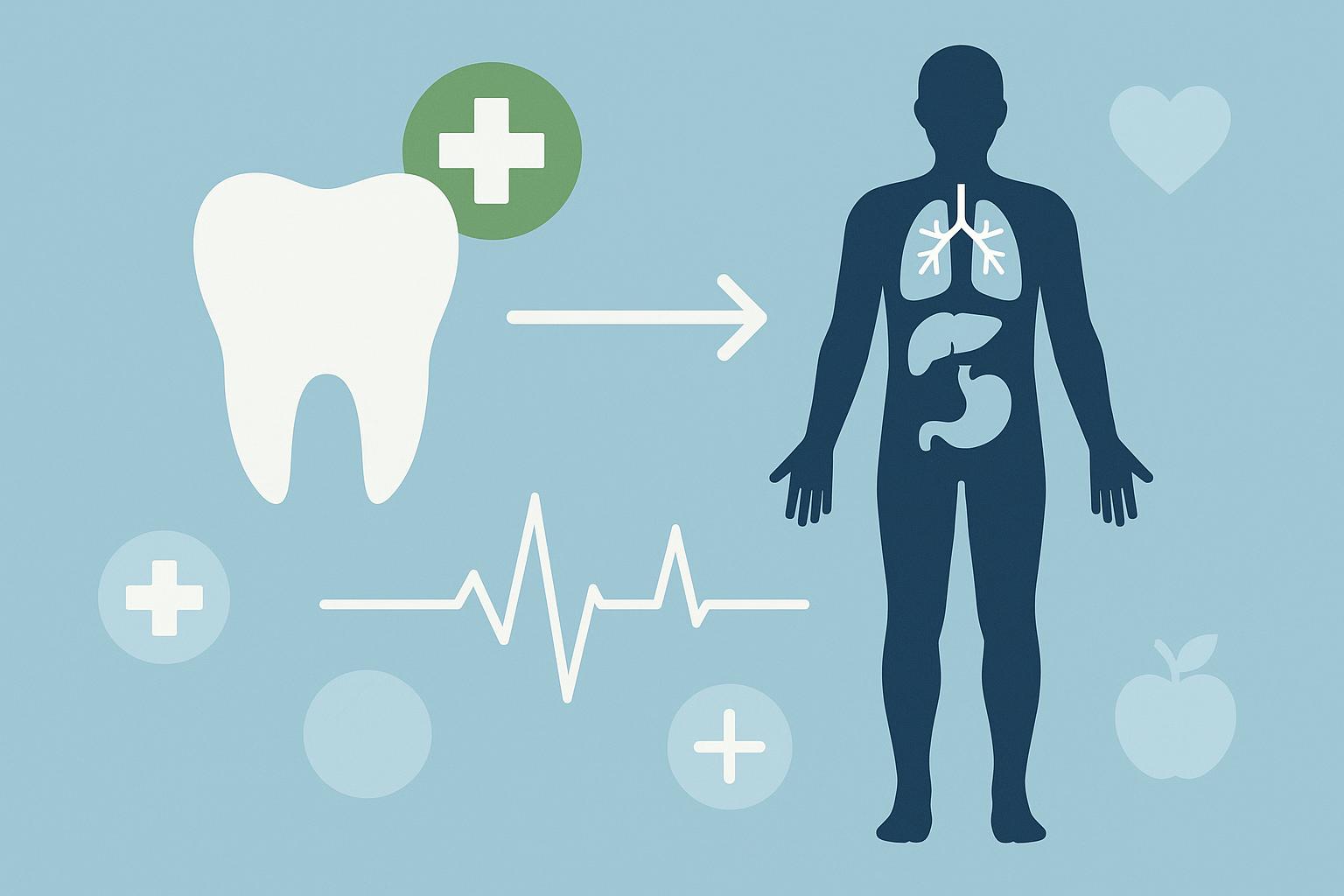
Your mouth does not stand alone. It affects your heart, lungs, blood sugar, sleep, and mood. General dentistry lets you track all of this in one simple place. Routine cleanings, X rays, and exams do more than protect teeth. They show early signs of disease in the rest of your body. That includes infections, high blood pressure risk, and even some cancers. Regular visits help you act early. You avoid pain, tooth loss, and medical emergencies. Your dentist can also guide you on food, tobacco use, and dry mouth. Each visit becomes a health check, not just a tooth check. Some care, like Chelsea dental implants, can restore how you chew and speak. That supports better eating and social life. When you protect your mouth, you protect your whole body. This blog explains how general dentistry builds that link step by step.
How your mouth connects to the rest of your body
Your mouth is a doorway. Germs and inflammation in your gums can spread through the blood. That can strain your heart and blood vessels. It can also affect the lungs and blood sugar control.
Research from the Centers for Disease Control and Prevention links poor oral health with heart disease, stroke, and diabetes. Bleeding gums are not a small issue. They show that your immune system is fighting constant irritation.
General dentistry focuses on three simple goals.
- Stop infection in teeth and gums
- Reduce inflammation in your mouth
- Help you keep strong teeth for life
When you meet these goals, you lower stress on your heart, lungs, and immune system. You also protect your ability to eat, speak, and sleep.
Warning signs your dentist can see first
Your dentist often sees signs of disease before other clinics do. The mouth gives early clues.
- Heart and blood problems. Red swollen gums can be connected with a higher risk of heart disease.
- Diabetes. Frequent gum infections and slow healing can point to blood sugar trouble.
- Sleep problems. Worn teeth and a small airway can hint at sleep apnea.
- Vitamin lack. Pale gums or a swollen tongue can reflect a poor diet.
- Cancer. Sores that do not heal, white or red patches, and lumps can be early cancer signs.
General dentists check these signs at each visit. They may suggest a medical exam with your doctor. That teamwork protects you faster.
What happens during routine general dental visits
Routine visits are simple. They still protect much more than your smile.
- Cleaning. The hygienist removes plaque and tartar. That lowers germs in your mouth.
- Gum check. The team measures pocket depths around teeth. Shallow pockets mean lower infection risk.
- Tooth exam. The dentist checks for decay, cracks, and worn spots.
- X rays. Images show bone loss, hidden cavities, and infection under fillings or crowns.
- Soft tissue exam. The dentist checks your tongue, cheeks, and throat for sores or growths.
Each step protects chewing, speech, and comfort. It also gives early clues about heart disease, diabetes, and cancer risk.
How oral health links to common chronic conditions
The mouth-body link is clear. This table shows how gum health and tooth loss connect to major conditions.
| Body system | Oral problem | Possible whole body effect |
|---|---|---|
| Heart and blood vessels | Gum disease and chronic infection | Higher risk of heart disease and stroke |
| Metabolism | Severe gum disease | Harder blood sugar control in diabetes |
| Lungs | High plaque and tartar | Higher risk of pneumonia in older adults |
| Digestion | Tooth loss and pain when chewing | Poor nutrition and weight loss or weight gain |
| Mental health | Missing or painful teeth | Lower confidence and social stress |
The National Institute of Dental and Craniofacial Research explains that gum disease is linked to heart disease and diabetes. Healthy gums reduce this burden.
General dentistry for children, adults, and older adults
Your needs change as you grow. General dentistry adjusts with you.
- Children. Focus on cleanings, fluoride, sealants, and brushing habits. Early care shapes jaw growth and speech.
- Adults. Focus on gum checks, filling repair, and grinding control. Care supports work, parenting, and stress.
- Older adults. Focus on dry mouth, tooth wear, root decay, and denture fit. Care supports safe eating and clear speech.
At every stage, clean teeth and healthy gums support strong eating, clear talking, and a steady mood.
Restorative care and your body
When teeth are damaged or missing, general dentistry restores function. That helps your whole body.
- Fillings and crowns. These repair broken or decayed teeth. You chew evenly and avoid jaw strain.
- Root canal treatment. This removes infection in a tooth. You keep the tooth and remove a source of chronic germs.
- Dental implants, bridges, or dentures. These replace missing teeth. You can eat fiber-rich foods again. That supports heart and gut health.
When you chew well, you eat more fruits, vegetables, and lean proteins. That supports blood sugar control, weight, and energy.
Three daily habits that protect whole body wellness
Your daily routine matters as much as your checkups. Focus on three habits.
- Brush. Brush twice a day with fluoride toothpaste. Reach every surface. Spend two minutes each time.
- Clean between teeth. Use floss or another tool once a day. Remove plaque between teeth where brushes cannot reach.
- Watch what you eat and drink. Limit sugary drinks and snacks. Choose water, whole fruits, and crunchy vegetables.
Combine these habits with regular dental visits. You protect your mouth and lower your risk for many chronic diseases.
When to see your general dentist
See your dentist at least every six months. Go sooner if you notice any of these signs.
- Bleeding gums when you brush or floss
- Loose teeth or changes in your bite
- Constant bad breath
- Sores in your mouth that do not heal in two weeks
- Jaw pain or frequent headaches
- Dry mouth much of the day
Quick care now prevents deeper pain and higher medical costs later. It also protects your heart, lungs, and blood sugar.
Protect your mouth to protect your body
Your mouth is part of your body, not a separate piece. General dentistry keeps that connection strong. Regular cleanings, exams, and early treatment lower your risk of infection and chronic disease. They also support good eating, clear speech, and steady mood.
When you commit to daily brushing, cleaning between teeth, and routine visits, you are not just saving teeth. You are guarding your heart, lungs, and mind. That is real whole body wellness.
