
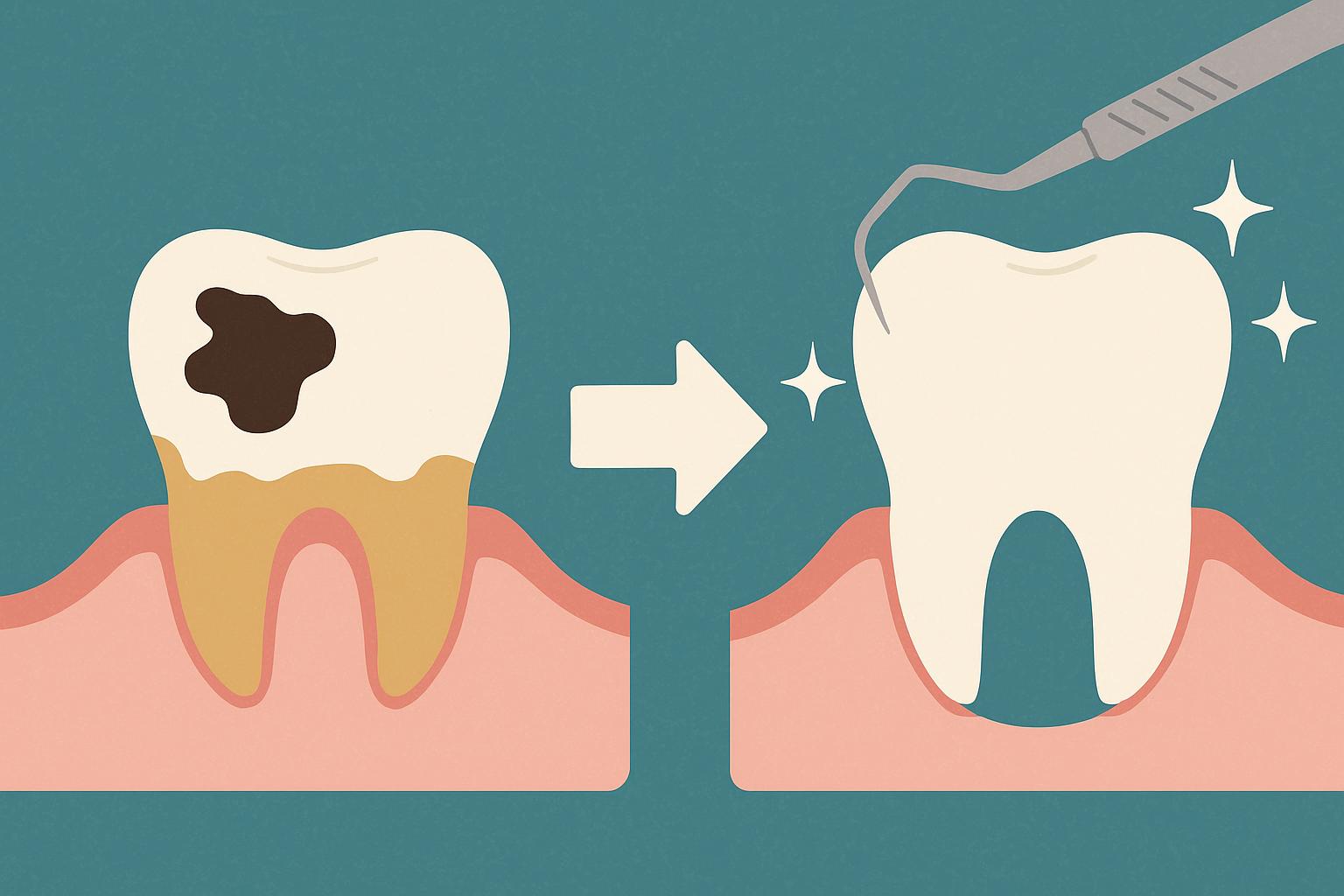
Your mouth rarely goes from healthy to crisis overnight. Small problems build in quiet ways. A tiny cavity grows. A hairline crack spreads. Gums pull back a little more each month. Regular general dentistry visits stop that slow damage. You get cleanings that remove stubborn plaque. You get exams that catch changes early. You get clear next steps before pain shows up. Care like fillings, sealants, and dental crowns Wantagh protect teeth before they break. Routine visits also uncover signs of grinding, dry mouth, or infection. Those signs point to deeper health concerns that you can treat early. Skipping care turns simple fixes into root canals, extractions, or bone loss. That creates higher cost, longer healing, and more stress. Steady general dentistry visits give you control. You stay ahead of problems instead of reacting to emergencies.
Why small dental issues grow fast
Tooth and gum problems grow in quiet steps. You often feel nothing until damage is serious. That silence creates risk for you and your family.
Common small issues include:
- Tiny cavities between teeth
- Mild gum swelling or bleeding
< li> Short enamel cracks from biting or grinding
- Early wear on fillings
- Dry mouth from medicine or illness
Each issue starts small. Then bacteria, pressure, and time turn small damage into a large loss. A tiny cavity can reach the nerve. Mild gum swelling can turn into bone loss. A short crack can split a tooth.
How general dentistry stops that damage
General dentistry focuses on steady checks and simple treatments. You get three main tools that protect you.
- Regular exams
- Professional cleanings
- Early repair and protection
During an exam, your dentist checks teeth, gums, tongue, and jaw. You may also get X-rays. Those pictures show decay, infection, and bone changes that you cannot see in a mirror. The Centers for Disease Control and Prevention notes that almost all adults get tooth decay at some point. Regular checks keep that decay from turning into tooth loss.
Cleanings remove plaque and hardened tartar that brushing and flossing miss. That cleaning slows gum disease and protects the bone that holds your teeth.
Common treatments that block major problems
General dentistry offers simple treatments that act as shields. Each one stops a small problem from growing.
- Fillings. Fillings seal small cavities so bacteria cannot spread.
- Dental crowns. Crowns cover cracked or weak teeth so they do not break.
- Sealants. Sealants coat the grooves of back teeth to block decay in kids and teens.
- Fluoride treatment. Fluoride strengthens enamel and slows early decay.
- Deep cleaning. Deep cleaning under the gums treats early gum disease.
Each step costs less money, time, and stress than root canals, extractions, or implants. Catching problems early also keeps you eating, speaking, and smiling without fear.
What happens when you skip routine care
Skipping visits does not freeze your mouth in time. Instead, plaque and bacteria keep growing. Small changes become hard to fix.
Examples include:
- A small cavity becomes a deep ache and then an abscess
- Mild gum bleeding becomes loose teeth
- A light crack from grinding becomes a broken tooth during a meal
- Dry mouth leads to many cavities at once
These problems often need root canals, gum surgery, or extractions. Recovery takes longer. Eating and speaking may change. You may need replacement teeth.
Cost and outcome comparison
Routine visits feel like one more task. Yet they often save money and time. The table below gives simple examples. Costs and times are rough and vary by clinic. The pattern stays clear. Early care protects you.
| Issue | Early general dentistry | If care is delayed |
|---|---|---|
| Small cavity | Simple filling. One short visit. Lower cost. | Root canal and crown. Multiple visits. Much higher cost. |
| Mild gum disease | Cleaning and home care change. Gums heal. | Bone loss and loose teeth. Possible surgery or extractions. |
| Hairline crack | Crown placed before break. Tooth stays. | Tooth splits. Extraction and bridge or implant. |
| Grinding at night | Night guard and habit changes. | Worn teeth, fractures, jaw pain, headaches. |
General dentistry and your whole health
Your mouth connects to the rest of your body. Dentists often see early signs of larger health problems.
During routine visits, your dentist may spot:
- Gum changes linked to diabetes
- Enamel erosion linked to reflux
- Dry mouth from medicine or autoimmune disease
- White or red patches that may signal oral cancer
The National Institute of Dental and Craniofacial Research explains that gum disease is connected with heart disease, diabetes, and pregnancy problems. Early dental care does more than protect teeth. It helps protect your whole body.
How often you and your family should go
Most people need a checkup and cleaning every six months. Some people need more frequent visits. That includes people who:
- Smoke or use tobacco
- Have diabetes
- Have a weak immune system
- Have many past cavities or gum problems
- Take medicines that cause dry mouth
Children need routine care as soon as the first tooth appears. Early visits teach kids that the dental office is safe. They also help parents learn how to clean tiny teeth and choose smart snacks.
Simple steps you can take today
You can lower your risk of major problems with three direct steps.
- Schedule regular dental visits for you and your family.
- Brush with fluoride toothpaste twice each day and floss once.
- Limit sugary drinks and snacks between meals.
If you feel fear or shame about past neglect, you are not alone. Many adults wait years before going back. A steady, calm plan today still protects you from worse problems tomorrow. General dentistry does not focus on blame. It focuses on keeping small issues small so your mouth stays strong and pain-free.
