
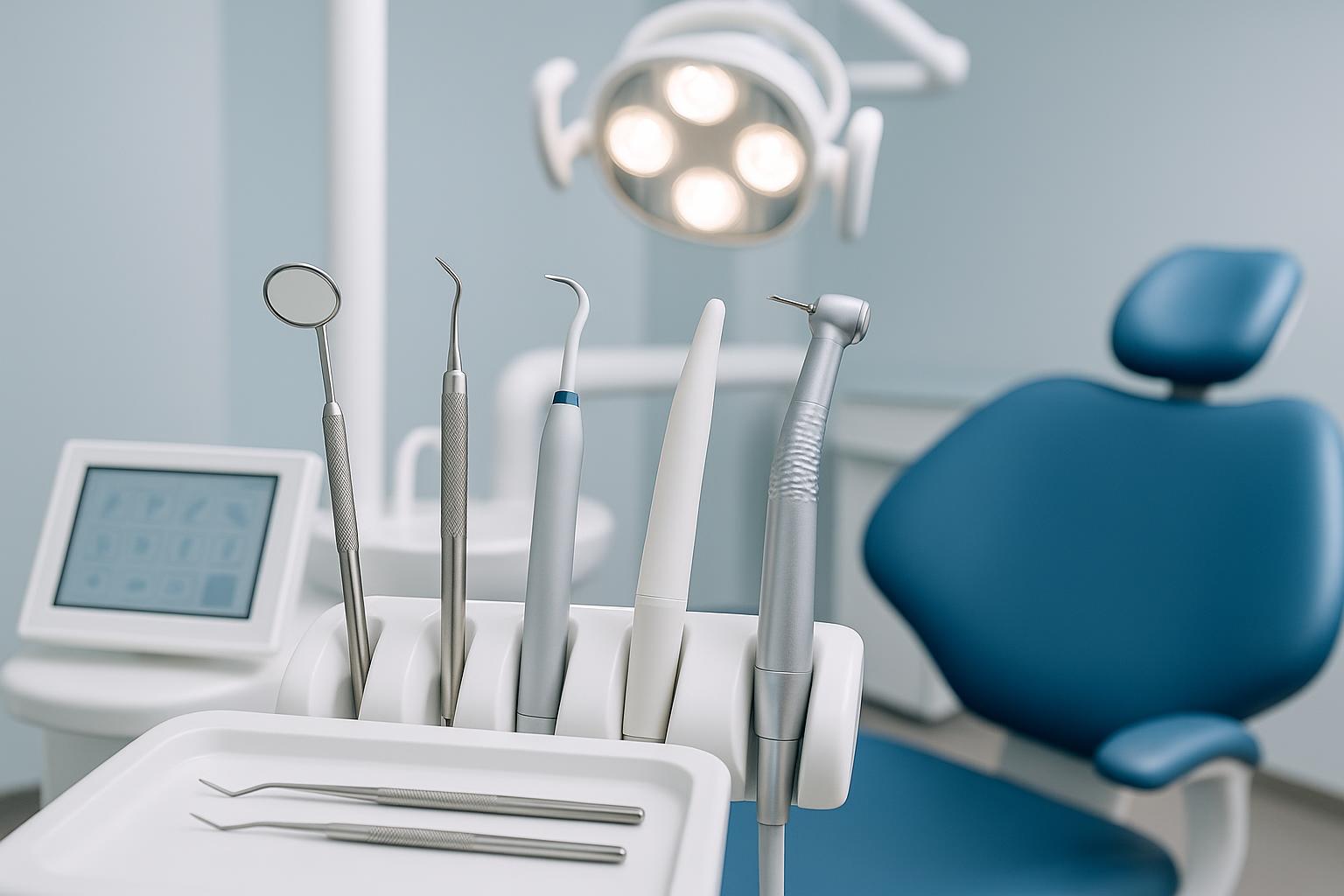
General dentistry now links personal care with powerful tools that protect your mouth and body. You sit in the chair. You want clear answers, less pain, and strong teeth that last. Today’s exams use digital images, gentle scanners, and simple tests that catch trouble early. That means fewer surprises and fewer urgent visits. A Brentwood, CA dentist uses these tools to see small cracks, hidden decay, and gum problems before they grow. This approach respects your time and your fears. It also gives you control. You see what the dentist sees. You understand why a filling, cleaning, or crown matters right now. Each visit becomes a shared effort, not a lecture. You leave with a plan you can follow at home. You also gain steady support that keeps your mouth calm and your health steady.
Why general dentistry still centers on your needs
Advanced tools matter only when they support your needs. You want three things. You want comfort. You want clear facts. You want lasting results.
A strong general dentist focuses on:
- Listening to your worries and past bad visits
- Explaining what is happening in your mouth in plain words
- Choosing tools that reduce pain and save healthy tooth structure
You are not a chart or a number. You are a person with work, family, stress, and limits on time and money. Honest general care respects that.
Key tools your dentist may use
Modern general dentistry uses simple tools that give clear pictures and quick answers. These tools do not replace the human touch. They support it.
- Digital X rays. These use less radiation and show sharp images on a screen.
- Intraoral cameras. These tiny cameras take close-up photos of each tooth.
- Laser cavity checks. These measures change in tooth structure.
- 3D scanners. These create a map of your teeth without messy molds.
- Ultrasonic cleaners. These break up hard plaque during cleanings.
The tools support three goals. Early detection. Less pain. Faster healing.
How early detection changes your health
Tooth problems grow in silence. You often feel pain only when damage is serious. Early tools changed that pattern.
Digital images and cameras show tiny changes before you feel them. That means your dentist can:
- Fix small cavities with tiny fillings
- Watch slow-moving spots instead of drilling right away
- Spot gum infection while it still sits near the surface
The Centers for Disease Control and Prevention explains that untreated cavities and gum disease can affect eating, speaking, and even school performance. You can read more on oral health at the CDC site: CDC Oral Health Fast Facts.
Comfort and safety for every family member
Children, adults, and older adults all bring different needs. Modern tools help tailor care for each person.
- For children, quick digital images avoid long visits
- For adults, precise tools help protect work on crowns and fillings
- For older adults, clearer pictures reveal root problems and dry mouth damage
You also gain safer care. Digital records track your medical history, medicines, and allergies. Your dentist can adjust numbing, cleaning methods, and treatment plans to keep you safe.
Comparing traditional and advanced general dentistry
The table below shows simple differences you may notice during a visit.
| Visit step | Traditional approach | Advanced approach |
|---|---|---|
| X rays | Film on small cards. Longer wait for images. | Digital images on screen in seconds. |
| Exam | Mirror and probe. You cannot see what the dentist sees. | Intraoral camera. You view teeth on a screen. |
| Cavity check | Visual guess and sharp tool. | Laser reading plus visual exam. |
| Impressions | Sticky molds that cause gagging. | 3D scanner that moves around teeth. |
| Cleaning | Manual scraping sound for long periods. | Ultrasonic cleaner with shorter visits. |
How your dentist involves you in each decision
Technology should not silence you. It should invite your questions. Clear images and readings help you weigh choices.
During a visit, you can expect your dentist to:
- Show you images and explain what each one means
- Offer at least two treatment paths when safe
- Explain cost, time, and likely results for each choice
You then choose based on your needs and your budget. You stay in control of your mouth. You also stay informed about risks and benefits.
Home care supported by science
Strong general dentistry continues when you leave the office. Your daily habits decide how long results last. The American Dental Association gives clear guidance on brushing, flossing, and fluoride. You can review it here: ADA Patient Resources.
Your dentist can match tools to your home routine. That may include:
- Choosing the right toothbrush size and softness
- Showing you simple floss or floss holder use
- Suggesting fluoride toothpaste or rinses when needed
Small daily steps work with office tools to reduce new decay and gum problems.
When to schedule your next visit
Regular checkups give your dentist a clear story of your mouth over time. You usually need a visit every six months. You may need more visits if you smoke, have diabetes, or have ongoing gum disease.
You should contact your dentist soon if you notice:
- Bleeding gums when you brush
- Heat or cold pain that lingers
- Bad breath that does not fade after brushing
- Chips, cracks, or loose fillings
Early action uses tools and care together to stop small problems from turning into deep pain.
Bringing it all together
General dentistry now blends human care with smart tools. You gain clearer answers, fewer long visits, and treatment that fits your life. You also gain a partner who respects your fears and your time.
With steady checkups, honest talks, and the right mix of tools, you protect more than your smile. You support your whole body’s health and your daily comfort.
