
Doug Stevenson, president of RBS Strategies, LLC, is a longtime construction executive and committed community volunteer whose leadership extends far beyond his professional work. With more than 30 years of experience in residential and commercial construction, he manages company operations, budgeting, financial analysis, and personnel development. Outside the workplace, Doug Stevenson has dedicated significant time to youth-focused service organizations, including the Boy Scouts of America—now known as Scouting America—and the American Red Cross. As an avid hiker and member of the Appalachian Mountain Club’s 4,000-footer club, he has long supported outdoor education and skill-building opportunities for young people. His extensive involvement in community programs, combined with years of mentoring and volunteer service, provides meaningful insight into how Scouting America influences the personal growth, confidence, and resilience of youth across the country.
Scouting America – Shaping the Lives of Youth
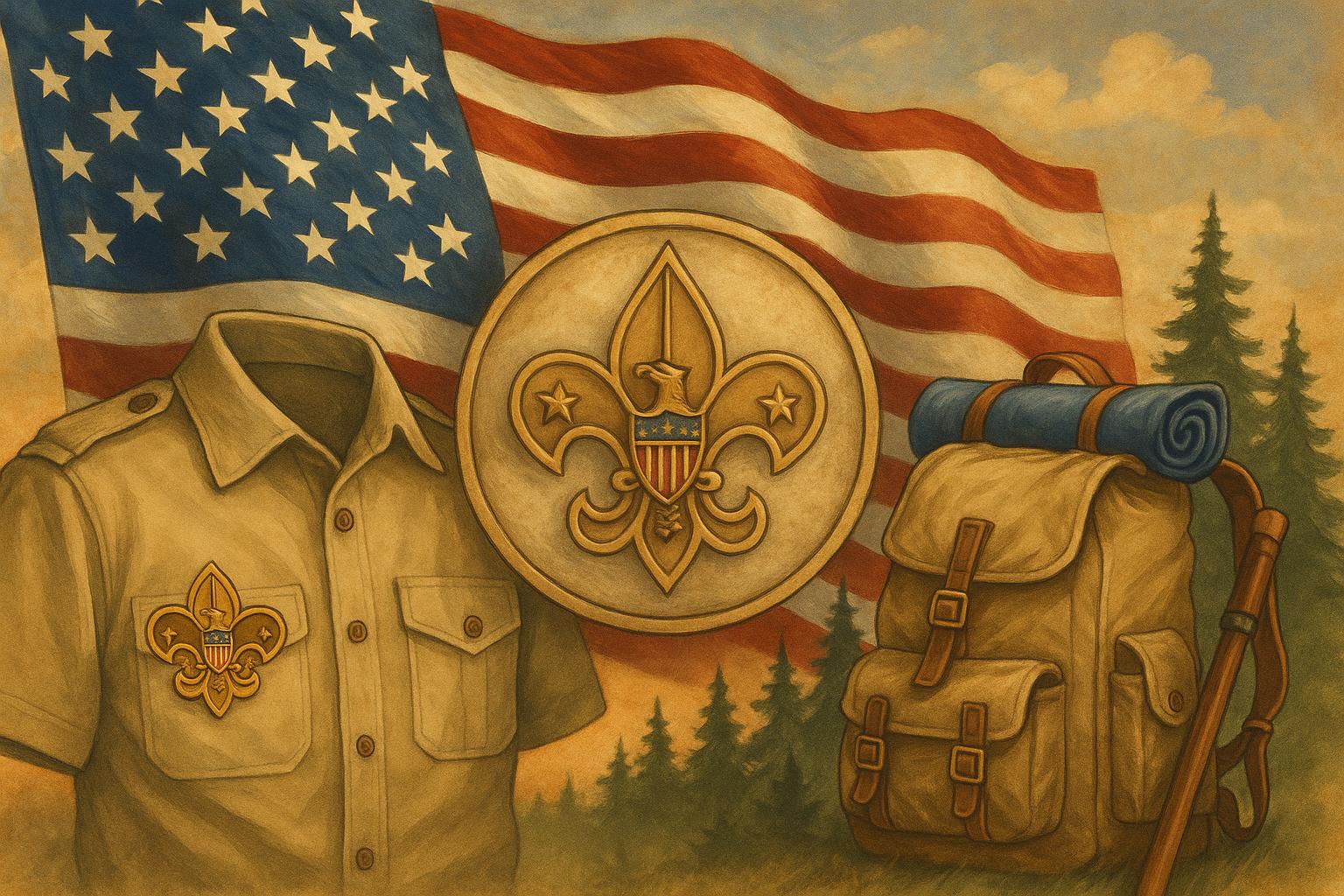
The Boy Scouts of America is one of the most influential youth organizations in the United States, shaping generations of boys and, more recently girls, through a combination of outdoor experiences, community service, and character-building activities. Founded in 1910, BSA was created with a clear mission – to prepare young people to make ethical and moral choices throughout their lives by instilling in them the values of the Scout Oath and Law.
Over the decades, the organization has grown into a national institution with millions of members. Despite changes in society and evolving youth interests, its core purpose has remained steady – to guide youth into capable, responsible, and well-rounded individuals. In 2025, the organization changed its name to Scouting America to reflect its commitment to inclusivity.
The benefits of being part of Scouting America extend beyond earning merit badges or attending weekly meetings. Youth who participate in Scouting often gain survival skills that give them a sense of competence and independence. They learn how to build shelters, tie essential knots, navigate unfamiliar terrain, and identify safe water sources. These skills are increasingly rare in the modern world, which makes them even more valuable. Furthermore, the emphasis on outdoor activities ensures that members spend meaningful time in nature, learning how to respect the environment and understanding their role within it.
Through camping trips, hikes, and outdoor challenges, Scouts stay physically active, developing stamina, coordination, and a sense of responsibility for their own well-being. The physical aspect of Scouting goes beyond fitness, teaching youth the importance of being prepared for emergencies. First aid knowledge is a prime example. Scouts learn how to treat minor wounds, respond to more serious injuries, and stay calm under pressure. This training provides a foundation of readiness that can prove invaluable in real-life situations as it expands beyond physical emergencies, encouraging a mindset that anticipates challenges and meets them with practical solutions.
Alongside these hands-on skills, Scouting America places a strong emphasis on a variety of soft skills that help shape members into thoughtful, capable adults. Leadership is one of the pillars of the Scouting program. Members must learn to guide their peers, organize group tasks, and make decisions that affect the team. These experiences teach them how to motivate others, manage responsibilities, and speak with confidence. On the other hand, they get to practice teamwork through activities that require cooperation, teaching Scouts that success often depends on communication, compromise, and shared effort.
Participation in community service projects fosters a sense of civic duty. Activities like cleaning a local park, helping elderly neighbors, or contributing to charitable drives teach Scouts the value of giving back, empathy, and gratitude. It also reinforces the idea that they are part of something larger than themselves. Moreover, the organization encourages members to appreciate diversity by bringing together young people from different backgrounds and teaching them to respect everyone’s strengths, perspectives, and traditions.
Problem-solving becomes an everyday skill as Scouts face new challenges on the trail, in projects, or when preparing to earn merit badges. Through trial and error, they develop resilience and the ability to adapt with patience and determination. Ultimately, Scouts gain a sense of character shaped by honesty, responsibility, and integrity. These qualities are emphasized repeatedly through Scout Law.
As they progress through various ranks, members see the results of their efforts and begin to build confidence in their abilities. Achievements such as earning badges, leading a group, or completing difficult tasks contribute to a growing sense of self-esteem. Many Scouts also form lasting friendships, bonded by shared adventures, challenges, and memories created outdoors. These friendships often continue into adulthood, serving as a support network built on trust and mutual respect.
Finally, one of the most enduring gifts of Scouting America is the closeness it fosters with nature. While camping, hiking, and exploring the outdoors, Scouts learn to appreciate nature and the lessons it teaches through both its serenity and unpredictability. This connection often fosters a lifelong respect for the environment and a desire to protect it.
About Doug Stevenson
Doug Stevenson is president of RBS Strategies, LLC, and a veteran construction executive with more than 30 years of industry experience. A dedicated community volunteer, he supports organizations including Scouting America and the American Red Cross. An avid outdoorsman and Appalachian Mountain Club 4,000-footer member, he brings firsthand appreciation for the character-building value of outdoor skills and youth development programs.
