
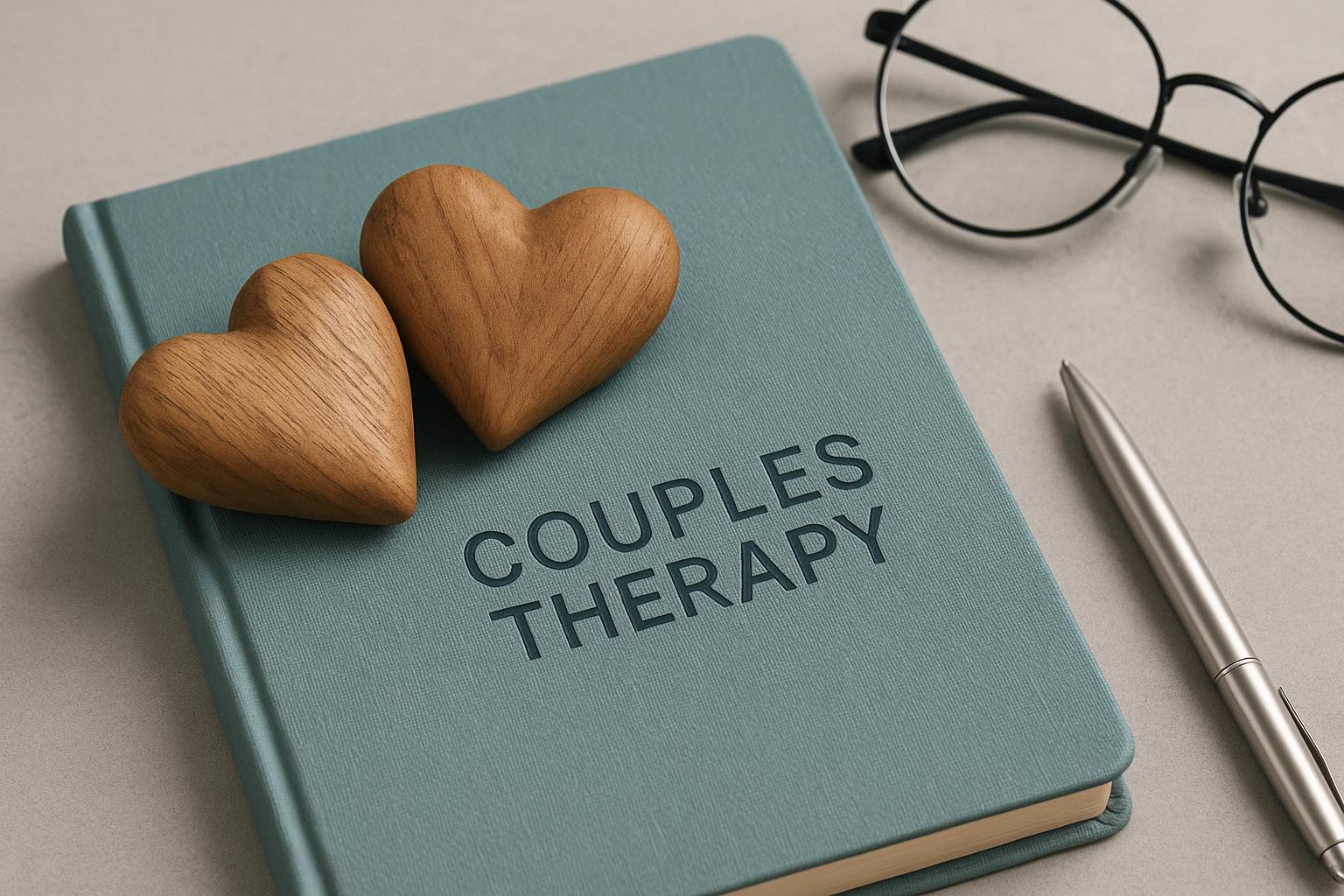
Heidi Kling is a New York state licensed clinical psychologist who provides psychotherapy to individuals and couples from her Manhattan practice. Heidi Kling works with clients experiencing depression, anxiety, eating disorders, and complex relationship challenges, using an empathetic and psychodynamic approach to foster insight and emotional resilience. Her work in couples therapy focuses on improving communication, addressing trust issues, and helping partners better understand relational patterns. Acting as a neutral mediator, she supports productive dialogue that identifies the root causes of conflict. Dr. Kling also specializes in areas such as narcissistic abuse recovery, grief, and loss. Her clinical background and focus on relationship dynamics align closely with the principles and practices explored in couples therapy, including the use of structured techniques to improve connection and understanding.
Understanding the Value of Couples Therapy
While conflicts are not uncommon in marriages, they provide many opportunities for strengthening bonds. Couples often require therapy from trained professionals to navigate these issues and improve their relationship. Couples therapy, also known as marriage or relationship counseling, is a form of psychotherapy that helps resolve common relationship problems, such as poor communication, trust issues, and the negative impact of external stressors.
Marriage counselors are trained to navigate the complex dynamics within relationships and provide couples with the tools and support necessary to understand each other better. These professionals organize a series of sessions with partners and oversee open communication from a neutral perspective to resolve issues.
Couples therapy has a number of benefits, such as improving communication. Therapists encourage open dialogue and offer a safe space for partners to explore the cause of their conflicts, learn how to compromise, and find an understanding for a harmonious relationship.
Marriage counseling rebuilds trust. Where couples face trust issues, therapists offer a supportive environment for addressing these issues, rebuilding confidence in each other, and restoring a sense of security within the relationship.
Couples better understand patterns of negative behavior after therapy. Therapists assist clients in knowing when they are stuck in negative behavioral patterns and understanding how these are contributing to relationship difficulties. With this insight, couples learn how to replace unhealthy dynamics with positive interactions.
In addition, couples can learn to cope with external stressors with the help of a marriage counselor. Work pressure, financial challenges, and family issues are examples of external problems that can negatively impact relationships. Therapists provide guidance and the tools necessary to address and navigate these stressors together, fostering resilience and collaboration when dealing with such issues.
Marriage counselors employ various techniques during couples therapy, including reflective listening. This is a repetitive exercise where partners take turns being active listeners. Each partner openly expresses their thoughts, feelings, and emotions while the other listens without interfering. This strategy helps strengthen communication, a skill therapists claim to be the foundation for healthy relationships.
Emotionally focused therapy (EFT) is another popular marriage counseling technique that focuses on improving attachment and bonding between couples. This approach is based on the premise that emotions are important in creating identity, and lacking emotional awareness or avoiding unpleasant emotions harms a relationship. Therapists guide couples in identifying emotional patterns and behaviors that are creating a disconnect and suggest approaches to heal or create safe attachments in the marriage.
Therapists also rely on the Gottman Method to help couples build strong relationships. This approach increases closeness and friendships, promoting healthy and productive conflict resolution, and assisting couples in building a life of shared meaning together. Therapists equip partners with suitable problem-solving skills that enhance intimacy and friendships in relationships. In most cases, therapists combine live sessions with take-home training materials to foster a sense of collaboration among couples.
Solution-focused therapy is an alternative technique in couples therapy that is suitable for short-term goals, especially when couples know exactly what they need to improve in their relationships. Therapists oversee open dialogue, and couples are encouraged to construct solutions to the problem and critically analyze each to identify the most suitable one.
Therapists also use cognitive behavioral therapy (CBT), a psychotherapeutic technique that helps clients identify destructive thoughts that negatively influence emotions and behavior in relationships. These professionals help partners identify maladaptive thinking patterns and emotional responses and replace them with more desirable approaches.
Another approach used is Imago Relationship Therapy (IRT), which enables therapists to solve couples’ issues that emanate from childhood trauma. Marriage counselors help partners identify how such traumas are affecting their adult relationships, assisting them in uncovering the source of common problems, such as commitment issues and relationship anxieties. IRT helps couples become more understanding and empathetic toward each other.
About Heidi Kling
Heidi Kling is a clinical psychologist based in New York who provides psychotherapy to individuals and couples. She specializes in areas such as anxiety, depression, narcissistic abuse recovery, and grief. Dr. Kling integrates psychodynamic principles with practical therapeutic techniques to support insight and emotional growth. She earned her doctorate in clinical psychology from Adelphi University and has experience working with diverse populations to improve mental health and relationship outcomes.
