
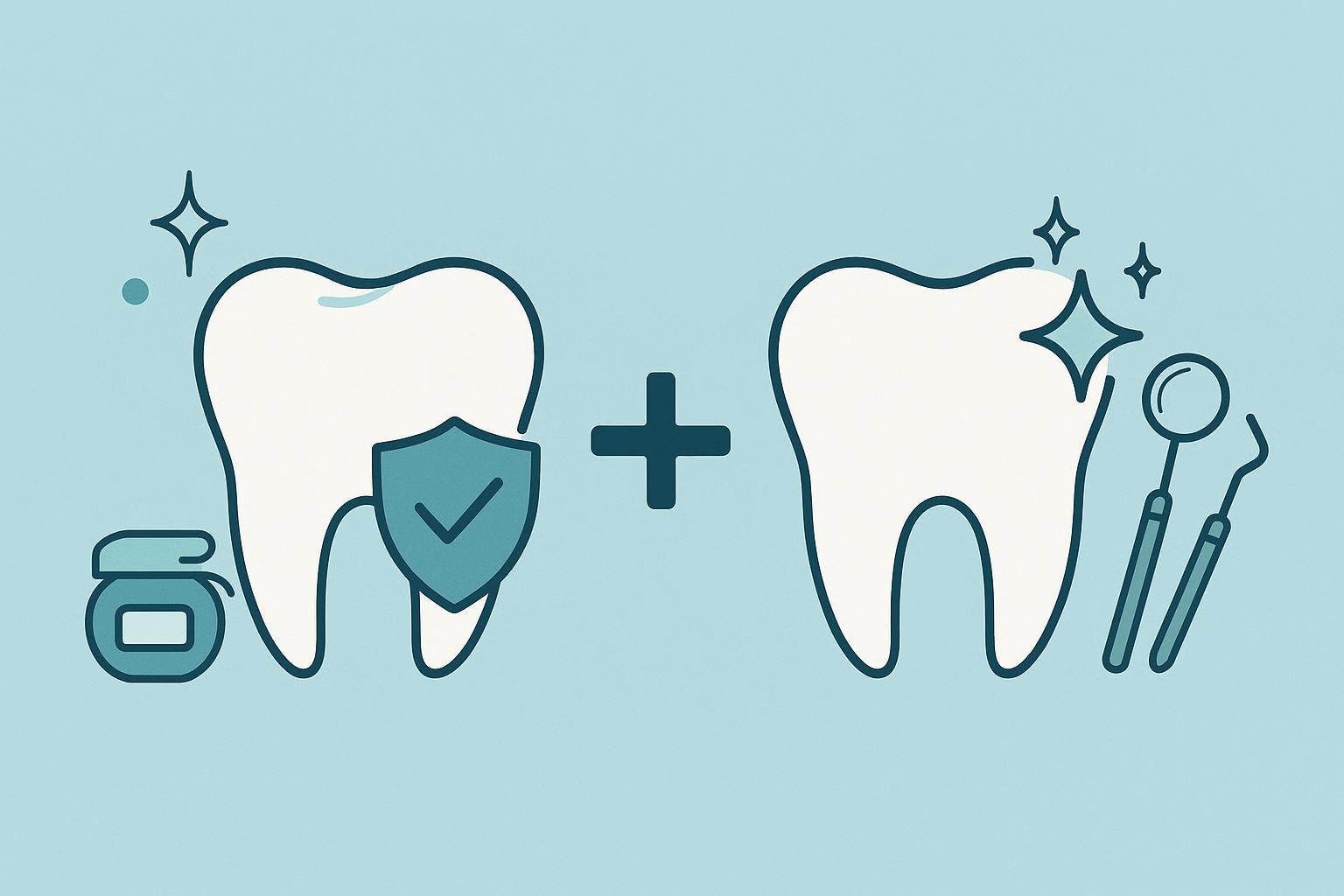
You want a healthy mouth and a confident smile. Both matter. Preventive care protects your teeth from decay, gum disease, and early tooth loss. Cosmetic care improves the look of your teeth and how you feel when you smile. These two types of care work together. Routine cleanings and checkups keep problems small. Then cosmetic treatments correct stains, chips, gaps, and worn teeth that routine care cannot fix. The result is a mouth that feels strong and looks natural. In Honolulu cosmetic dentistry often starts after a careful exam and cleaning. This way, your dentist fixes the cause of damage before changing how your teeth look. You get care that respects your health, your time, and your money. You do not have to choose between health and beauty. You can have both when preventive and cosmetic care support each other.
What Preventive Dentistry Does For You
Preventive care tries to stop problems before they start. It centers on three steps.
- Regular checkups and cleanings
- Daily brushing and flossing at home
- Early treatment of small issues
During checkups, your dentist looks for decay, weak spots in enamel, and gum problems. Your care team may useX-rayss to find trouble between teeth. The goal is simple. Find damage early so treatment stays small and less costly.
The Centers for Disease Control and Prevention explains how untreated cavities can cause pain, infection, and trouble eating and speaking.
What Cosmetic Dentistry Adds
Cosmetic care focuses on how your teeth look. It also often improves function. Many cosmetic treatments strengthen teeth and protect them from more wear.
Common cosmetic options include three groups.
- Whitening to lighten stains from food, drinks, or tobacco
- Bonding and tooth colored fillings that repair chips and close small gaps
- Veneers and crowns that cover damaged or misshapen teeth
The American Dental Association explains many of these treatments in plain language. This resource can help you prepare questions for your dentist.
Why You Need Both For Complete Care
Preventive and cosmetic care support each other. You get the best result when they work in order.
- You prevent decay and gum disease first.
- You repair active problems next.
- You improve the look of your teeth last.
This sequence protects your health. It also protects the time and money you invest in cosmetic work. Whitening or veneers placed on teeth with untreated decay will not last. A crown on a tooth with gum disease may fail. Strong preventive care keeps cosmetic work stable.
Side by Side Comparison
| Care Type | Main Goal | Typical Services | When It Happens | Family Benefits |
|---|---|---|---|---|
| Preventive dentistry | Stop disease and protect teeth | Cleanings, exams, X-rays, sealants, fluoride | On a regular schedule across life | Fewer cavities, less pain, lower long-term cost |
| Cosmetic dentistry | Improve look and function | Whitening, bonding, veneers, crowns, reshaping | After disease is under control | More confidence, better chewing, stronger teeth |
How Cosmetic Treatment Can Support Prevention
Some cosmetic choices help you keep your mouth clean. Smooth, well-shaped teeth are easier to brush and floss. Closing gaps can reduce places where food gets packed in. Correcting worn or uneven teeth can improve your bite. This can lower strain on your jaw and on certain teeth.
Cosmetic work can also uncover hidden issues. During planning, your dentist studies your bite, gum health, and tooth structure. You may learn about grinding, clenching, or dry mouth. Addressing these problems protects both your natural teeth and your cosmetic work.
Planning Care For Your Family
Every family needs a basic plan that covers three stages.
- Childhood. Focus on sealants, fluoride, and home brushing habits.
- Adult years. Maintain cleanings, manage stress that may cause grinding, and treat small problems fast.
- Older age. Watch for dry mouth from medicines, gum recession, and worn fillings.
Cosmetic care can fit into any stage once your mouth is healthy. Teens may seek whitening after braces. Adults may want bonding or veneers for chipped front teeth. Older adults may replace stained or cracked fillings with tooth colored options.
Questions To Ask Your Dentist
Before you choose cosmetic treatment, ask three key questions.
- Is my mouth free of active disease
- Which preventive steps should come first
- How long will this cosmetic work last if I keep up with routine care
These questions keep your care plan grounded. You protect your health first. Then you choose cosmetic steps that make sense for your life and budget.
Taking Your Next Step
You do not need a perfect past record to start now. You can begin with a checkup and cleaning. You can ask for a clear summary of your oral health. Then you and your dentist can build a simple plan that starts with prevention and adds cosmetic care when the time is right.
The goal is steady progress. With regular preventive visits and thoughtful cosmetic choices, you can protect your teeth and feel proud when you smile.
