
You worked hard for your new smile. Now you want to keep it strong, clean, and bright for as long as possible. Cosmetic work can stain, chip, or wear down if you skip routine care. Regular checkups protect your teeth, gums, and any cosmetic treatment. A San Jose dentist checks for small problems before they grow. Routine visits also remove plaque that home brushing misses. Over time, this helps your cosmetic work look natural and feel comfortable. You get clear updates on your mouth, simple steps for home care, and quick fixes when something feels off. This guide explains how ongoing general dental visits support whitening, veneers, bonding, crowns, and more. You will see how often to schedule, what to ask, and what habits protect your investment. Your smile is not a one time event. It is something you maintain with steady, smart care.
Why routine visits matter after cosmetic work
Cosmetic treatment changes how your teeth look and sometimes how they fit together. Routine visits keep that work stable. They also protect the teeth under and around it.
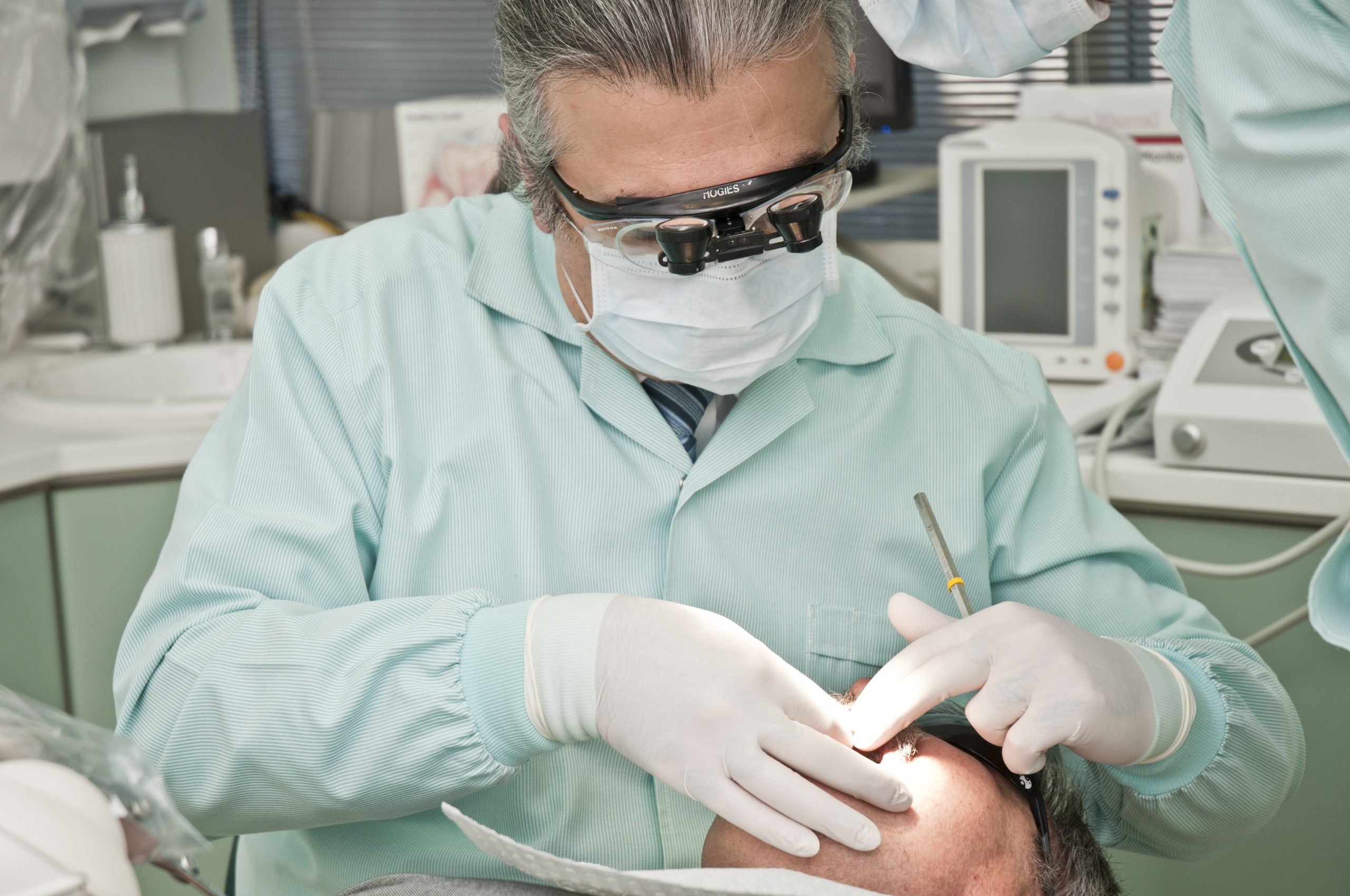
During a general visit, your dentist and hygienist will usually:
- Check fillings, veneers, crowns, and bonding for cracks or gaps
- Look for early decay near cosmetic edges
- Measure your gums for swelling or infection
- Clean stain and hardened plaque from teeth and around cosmetic work
Each of these steps guards your cosmetic results. You avoid sudden breaks. You also avoid painful infections that can force more treatment.
How often you should schedule
The American Dental Association explains that many people do best with a checkup every six months.
Your schedule may change based on three things:
- Your risk for decay or gum disease
- The type of cosmetic work you have
- Your home care habits
Some people with past gum disease or many crowns may need visits every three to four months. Others with low risk and strong home care may stay on a six-month plan. You and your dentist can decide together after a clear exam.
Care needs for common cosmetic treatments
| Treatment type | Common threats | How visits help |
|---|---|---|
| Teeth whitening | Stain from coffee, tea, tobacco | Polish stain, guide safe touch up |
| Veneers | Chips, cracks, gum pullback | Find edge leaks, smooth rough spots |
| Bonding | Wear, stain, breakage | Rebuild small chips, re polish |
| Crowns | Decay at edges, bite stress | Check fit, adjust bite, clean margins |
| Implants | Gum infection, bone loss | Measure gums, clean around posts |
This quick view shows one truth. Routine visits are part of each cosmetic treatment. They are not extra. They are part of the plan.
What happens during a maintenance visit
You should know what to expect. Clear steps help you feel calm and in control.
A typical maintenance visit may include three simple parts.
1. Talk and review
- You share any pain, sensitivity, or changes in your bite
- You review recent habits like grinding, snacking, or new medicine
- You update your medical history
2. Cleaning and stain control
- The hygienist removes plaque and tartar from all tooth surfaces
- Special tools clean gently around veneers, crowns, and implants
- Polish reduces surface stain so whitening and veneers stay bright
3. Exam and plan
- The dentist checks each cosmetic tooth for chips, gaps, or sharp spots
- X-rays may check for decay under crowns when needed
- You get clear steps for home care until the next visit
Daily habits that protect your cosmetic work
Office visits matter. Home care fills the gap between them. Focus on three daily habits.
Brush the right way
- Brush twice a day with fluoride toothpaste
- Use a soft brush and small circles along the gumline
- Spend at least two minutes each time
Hard scrubbing can wear gums and roughen bonding or veneers. Steady light strokes clean better and protect surfaces.
Clean between teeth
- Use floss or interdental brushes once a day
- Slide gently under the edges of crowns and veneers
- Ask your dentist about special threaders if you have bridges
Food stuck near cosmetic edges can cause decay that you do not see until it is large. Daily cleaning stops this slow damage.
Watch what you eat and drink
- Limit sugary drinks and constant snacking
- Rinse with water after coffee, tea, red wine, or soda
- Use a straw for dark drinks when you can
These simple choices lower stain and decay. They also help your gums stay healthy around your cosmetic work.
Protecting your smile from grinding and injury
Even strong cosmetic work can crack under stress. Hidden grinding at night or sudden blows during sports can undo months of care.
Ask your dentist about three protective tools.
- A night guard if you grind or clench in your sleep
- A sports mouthguard for contact sports
- Simple jaw stretches if your bite feels tight or sore
These steps lower the risk of chips in veneers, broken bonding, and cracks in crowns.
Questions to ask at each visit
You deserve clear answers. Bring questions. Three useful ones include:
- Are there any early signs of wear or decay around my cosmetic work
- What is the one habit that would help my smile most before our next visit
- Do you see any changes in my gums or bite that worry you
Write answers down or ask for a short printed plan. That way, you leave with clear next steps, not guesswork.
Staying committed to long term results
Cosmetic treatment gave you a chance you can see. Ongoing general visits protect what you paid for and hoped for. You strengthen three things each time you show up. You protect your teeth. You guard your gums. You keep your cosmetic work stable.
That steady commitment prevents sudden shocks. You avoid rushed repairs and painful emergencies. You also keep the quiet relief that comes from smiling without worry.
Your next step is simple. Schedule your routine visit. Bring your questions. Walk out with a clear plan to keep your cosmetic results strong for years.
