


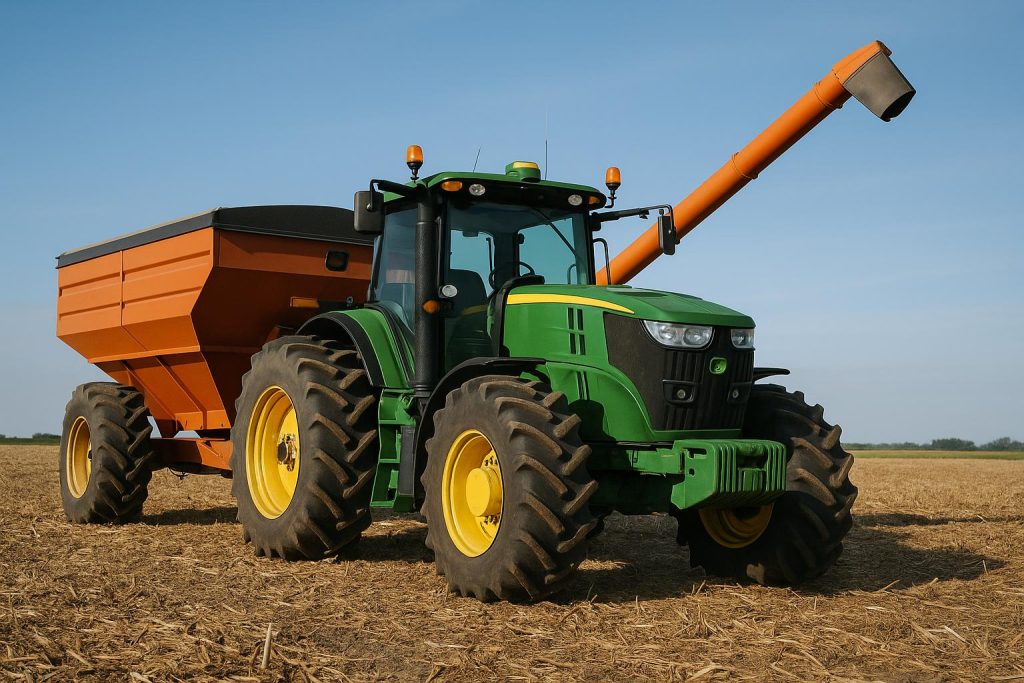
Since 1992, Jose M. Gracia Harvesting, Inc. has provided a legal agricultural workforce to farms across the eastern United States, including North Carolina, Georgia, and Florida, through the H-2A visa program. Led by president Jose Gracia and supported by several family members, the company is especially experienced with labor-intensive crops such as tobacco, sweet potatoes, watermelons, strawberries, cantaloupes, and cucumbers. Under his leadership, the company has grown into a large-scale harvesting operation with a fleet exceeding 300 vehicles, including specialized transportation built to move watermelons and cantaloupes safely between fields and storage sites, while keeping most vehicles within a single state to reduce mileage and maintenance costs. Every worker completes extensive seasonal training covering field sanitation, tractor and machinery safety, heat stress prevention, workers’ rights, and emergency response procedures. This long-standing commitment to operational safety and responsible fleet management directly informs the vehicle safety practices and hazard prevention strategies that keep farm transportation running smoothly across the operation.
Transportation is an essential part of modern farming. Every day, farmers rely on trucks, trailers, utility vehicles, tractors, and other transport equipment to move crops, livestock, machinery, tools, fertilizers, and harvested produce across fields and to markets. While these vehicles improve productivity and efficiency, they also introduce safety risks that can lead to accidents, injuries, equipment damage, or financial losses if proper precautions are not taken. By implementing effective safety practices and hazard prevention strategies, farmers can protect themselves, their workers, and their valuable assets while ensuring smooth daily operations.
One of the most important safety practices is conducting routine vehicle inspections before each use. Farmers should check tires for proper inflation and wear, inspect brakes for reliable performance, verify that steering systems function correctly, and ensure that headlights, brake lights, and turn signals are operational. Mirrors should be clean and properly adjusted, while fluid levels, including engine oil, coolant, hydraulic fluid, and brake fluid, should be checked regularly.
Following manufacturers’ recommended service schedules helps ensure that engines, transmissions, suspension systems, and other critical components remain in good working condition. Worn belts, damaged hoses, aging batteries, and leaking hydraulic systems should be repaired or replaced promptly. Preventive maintenance not only improves safety, but also extends the lifespan of expensive farm equipment and reduces unexpected downtime during busy planting or harvest seasons.
Proper operator training plays a major role in preventing transportation-related accidents. Every individual who operates farm vehicles should understand how to safely start, drive, load, and park the equipment they are using. Training should cover safe driving speeds, braking distances, turning techniques, and emergency procedures.
Overloading vehicles can reduce braking efficiency, increase stopping distances, damage suspension systems, and make vehicles more difficult to control. Loads should always remain within the manufacturers’ recommended weight limits and be distributed evenly to maintain proper balance. Cargo must also be secured using appropriate straps, chains, or tie-downs to prevent shifting during transport.
Farm roads, gravel paths, muddy trails, and uneven terrain require slower speeds than paved highways. Driving too fast on rough surfaces increases the risk of losing control, especially when transporting heavy equipment or trailers. Operators should exercise additional caution when traveling on slopes, crossing ditches, or navigating narrow farm lanes where visibility may be limited.
Many tractors and utility vehicles are equipped with rollover protective structures (ROPS) that help protect operators during overturns. However, these protective systems are most effective when seat belts are worn correctly. Personal protective equipment, such as high-visibility clothing, sturdy footwear, gloves, and hearing protection, may also be appropriate depending on the vehicle and work environment.
Weather conditions can greatly affect transportation safety on farms. Rain, snow, ice, fog, and high winds can reduce traction, visibility, and vehicle stability. Wet fields may become slippery, while flooded roads can conceal hazards beneath the water. During severe weather, farmers should postpone nonessential transportation whenever possible or adjust travel plans to avoid hazardous conditions.
Hazard prevention also includes maintaining safe traffic practices when farm vehicles travel on public roads. Slow-moving vehicles should display the appropriate reflective emblems and ensure that all required lights and signals are functioning properly. Drivers should remain aware of faster-moving traffic and use designated pull-off areas when appropriate to allow other vehicles to pass safely.
Safety practices and hazard prevention are essential for every farming operation that relies on transport vehicles. Through regular inspections, preventive maintenance, proper training, safe loading procedures, responsible driving habits, and careful route planning, farmers can significantly reduce transportation-related risks.
About Jose M. Gracia Harvesting, Inc.
Jose M. Gracia Harvesting, Inc., has operated as a leading agricultural labor contractor since 1992, supplying growers throughout the eastern United States with a legal workforce through the H-2A visa program. Led by president Jose Gracia and assisted by multiple family members, the company maintains a fleet of more than 300 vehicles and specializes in labor-intensive crops including tobacco, sweet potatoes, watermelons, strawberries, cantaloupes, and cucumbers. It equips every laborer with thorough seasonal training in field sanitation, machinery safety, and emergency procedures.

