
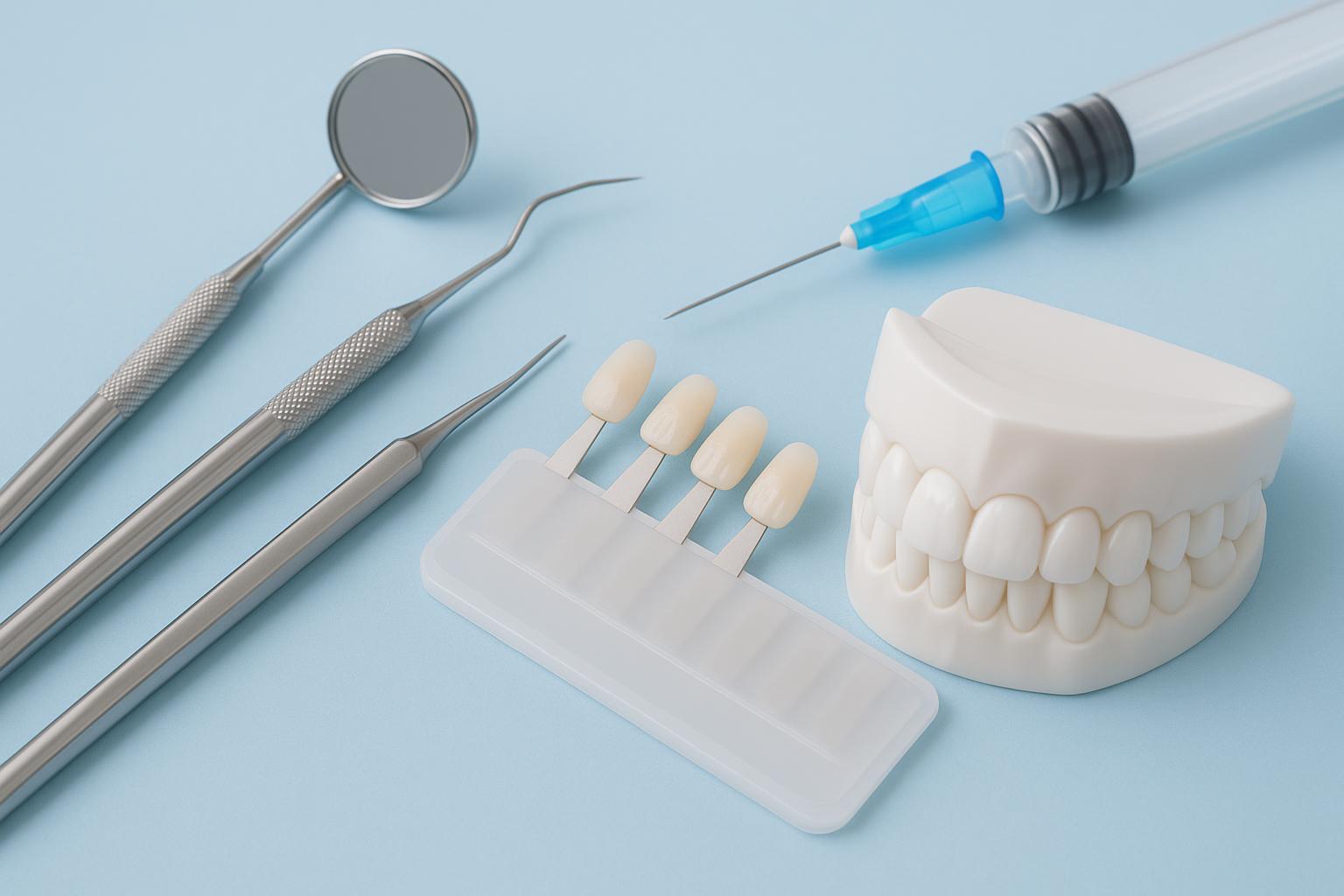
Cosmetic dental work can change how you feel about your smile. Yet you first need a strong, healthy mouth. General dentistry gives you that base. It finds silent problems, treats decay, and calms gum disease before you spend money on whitening, veneers, or Boynton Beach FL Invisalign. Without this step, cosmetic work can fail, hurt, or need early repair. Your dentist checks your bite, cleans away stubborn plaque, and fixes worn or cracked teeth. Then cosmetic care can last longer and feel more natural. General dentistry also helps you understand what to expect. You talk through your goals, fears, and budget. You learn which cosmetic options fit your health, not just your hopes. This careful groundwork protects you from regret and wasted time. It also builds trust, so you feel ready when it is time to change how your smile looks.
Why Mouth Health Must Come Before Cosmetic Care
You may want whiter or straighter teeth right away. Yet hidden disease can sit under old fillings, along the gums, or between teeth. If you place cosmetic work over that, problems grow. Pain grows. Costs grow.
The Centers for Disease Control and Prevention explains that almost half of adults have some form of gum disease, which can lead to tooth loss if not treated.
General dentistry finds these threats early. You then fix them in a planned way. That clears the path for cosmetic care that feels safe and steady.
Key Steps General Dentists Use To Prepare You
Before any cosmetic treatment, your general dentist will usually take three main steps.
- 1. Full exam. You get a full check of teeth, gums, bite, and jaw joints. X rays can show decay or infection that the eye cannot see.
- 2. Cleaning and gum care. You receive a deep cleaning that removes plaque and hard tartar. This lowers swelling and bleeding and helps the gums hold future work.
- 3. Repair of current damage. You treat cavities, worn fillings, cracked teeth, or missing teeth. You may also adjust your bite so that chewing feels even.
The National Institute of Dental and Craniofacial Research notes that regular exams and cleanings cut the risk of advanced tooth decay and gum disease.
How General Dentistry Protects Cosmetic Results
Strong basic care does more than stop pain. It protects your cosmetic work from early failure. The table below shows how common general treatments support later cosmetic choices.
| General Dentistry Step | Main Goal | How It Helps Cosmetic Care |
|---|---|---|
| Exam and X rays | Find hidden decay or infection | Prevents placing veneers or crowns on weak teeth |
| Cleaning and tartar removal | Reduce plaque and gum swelling | Improves results of whitening and bonding |
| Gum treatment | Control bleeding and infection | Helps gums hold veneers and crowns firmly |
| Fillings and crowns | Restore tooth strength and shape | Creates solid support for cosmetic layers |
| Bite adjustment | Even chewing pressure | Lowers risk of chipped veneers or broken aligners |
| Night guard when needed | Limit grinding damage | Protects new cosmetic work during sleep |
Matching Cosmetic Choices To Mouth Health
After your basic care is steady, you and your dentist can talk about cosmetic goals. You may want brighter teeth, a straighter line of teeth, or a change in shape. Each goal has choices.
- Whitening can help if your teeth are healthy and gums are healthy.
- Bonding can reshape small chips or gaps when you already have a solid bite.
- Veneers can change color and shape when decay and gum disease are under control.
- Aligners or braces can move teeth when the roots and jawbone are strong.
Your general dentist checks if your current health matches each choice. You then avoid a plan that might cause new pain or new broken work.
The Role Of General Dentistry In Family Care
Cosmetic plans affect more than one person. Many families plan care together. A parent may seek whitening. A teen may start with clear aligners. A grandparent may want a bridge or implants.
General dentistry supports the whole family by creating three shared habits.
- Regular checkups for each person.
- Cleanings that fit age and health needs.
- Honest talks about goals, costs, and timing.
These habits teach children that health comes first. They also help adults avoid rushed choices based only on looks.
Questions To Ask Before Cosmetic Treatment
You have the right to clear answers. Before you start any cosmetic plan, ask your general dentist these questions.
- Are my gums free of active disease right now
- Do I have any untreated cavities or cracked teeth
- How will this cosmetic treatment affect my bite and jaw?
- How long should I expect the results to last with good care
- What home care will I need each day after treatment
- What are the risks if I choose not to treat certain problems first
Clear answers show respect. They also show that your dentist is focused on your long-term health, not quick fixes.
How To Keep Cosmetic Results Strong
Once you complete your cosmetic care, general dentistry still matters. You protect your new smile with three simple steps.
- Keep regular exams and cleanings as advised.
- Use fluoride toothpaste and brush and floss every day.
- Wear a night guard if you grind or clench your teeth.
You can also limit sugar and tobacco. You can drink water often. These choices lower your risk of decay and staining. They keep your cosmetic work strong and steady for many years.
Taking Your Next Step
If you are thinking about cosmetic changes, start with a general dental checkup. Ask for a full review of your mouth. Be honest about your hopes, your fears, and your budget. Together, you and your dentist can build a plan that respects your health first. Then cosmetic treatments can feel safer, last longer, and match the smile you want to see in the mirror.
