
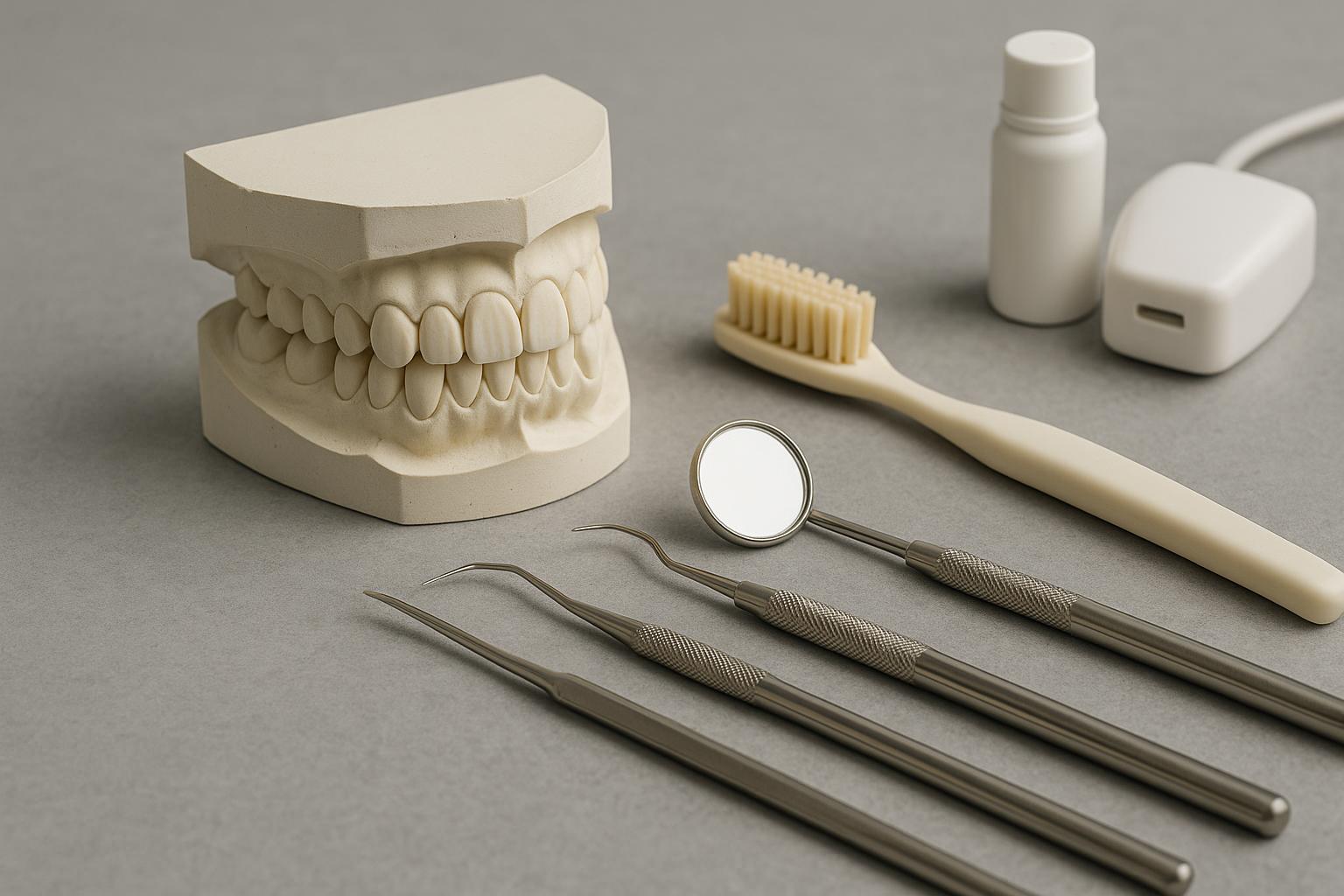
Your teeth carry you through every meal, every meeting, every hard day. They crack, ache, stain, and shift. You still need them to work without constant worry. General dentistry focuses on these everyday needs. It gives you strong, steady solutions that last. A simple filling can stop a small cavity from turning into a crisis. Regular cleanings can prevent painful infections. Clear guidance can help you avoid costly damage. A dentist in Coral Springs can check for early signs of trouble, fix problems before they spread, and keep your bite steady. Routine visits protect you from sudden pain, lost work, and urgent treatment. They support clear speech, easy chewing, and quiet sleep. General dentistry is not fancy. It is steady care that keeps your mouth ready for daily life.
Why everyday mouth problems demand strong solutions
Everyday life is hard on teeth. You bite through crusts, crunch ice, sip coffee, and sometimes grind in your sleep. Small problems grow fast. A tiny chip turns into a deep crack. A bit of gum swelling turns into bone loss. A stain hides early decay.
You need care that does three things.
- Stops pain before it starts
- Protects teeth from future damage
- Keeps your smile steady through the years
General dentistry targets those three needs. It uses simple steps that protect your health, time, and money.
Core treatments that hold up to daily use
Routine care gives you strong tools against common problems. Most solutions fall into three groups.
- Prevention
- Repair
- Support
Prevention that stops trouble early
Prevention is your first line of defense. It keeps small issues from turning into painful ones.
- Cleanings and exams. A hygienist removes hardened plaque that brushing misses. A dentist checks for decay, infections, and oral cancer. The American Dental Association explains how routine visits lower the risk of many mouth problems. You can read more at MouthHealthy.org.
- Fluoride treatments. Fluoride strengthens tooth enamel. It helps your teeth resist acid attacks from food and bacteria.
- Sealants for children. A thin coating on the back teeth blocks food and germs. It cuts cavity risk in chewing surfaces.
Repair that restores strength
When damage happens, you need repairs that stand up to chewing, talking, and daily use.
- Fillings. A dentist removes decay and fills the space. This stops the spread of infection and restores shape.
- Crowns. A crown covers a weak or cracked tooth like a cap. It lets you chew again without fear of breaking the tooth.
- Root canal treatment. When the nerve inside a tooth is infected, a root canal removes the infection and saves the tooth. This avoids an extraction and keeps your bite stable.
Support that protects your bite
Some treatments keep your teeth and jaws working together in a safe way.
- Mouth guards. Custom guards protect teeth from grinding and sports injuries.
- Simple orthodontic checks. A general dentist can spot bite problems and guide you to the needed care.
- Dentures and bridges. These replace missing teeth so you can chew and speak with less strain on the rest of your mouth.
How general dentistry compares to “wait and see”
Many people ignore mouth problems. They hope pain will fade on its own. That choice carries a real cost. The table below compares routine care to waiting for trouble.
| Issue | With general dentistry | With “wait and see” |
| Small cavity | Quick filling. Low cost. Tooth stays strong. | Decay spreads. Possible root canal or extraction. |
| Gum bleeding | Cleaning and home care steps. Gums heal. | Gum disease worsens. Bone loss. Loose teeth. |
| Worn or cracked tooth | Crown or bonding. Pain relief. Normal chewing. | Tooth breaks. Emergency visit. Complex repair. |
| Night grinding | Custom guard. Teeth and jaw protected. | Fractures. Jaw pain. Costly restorations. |
| Missing tooth | Bridge or denture. Balanced bite. | Shifting teeth. Bite changes. Jaw strain. |
Support for children, adults, and older adults
Mouth needs to change as bodies age. General dentistry adjusts care for each stage.
Children
- Sealants to block cavities in back teeth
- Fluoride to harden enamel
- Guidance on brushing, flossing, and snacks
- Early checks for crowding or bite problems
Adults
- Treatment for stress, grinding, and jaw pain
- Repair for old fillings or worn teeth
- Support for dry mouth linked to some medicines
- Careful screening for oral cancer
Older adults
- Help with dentures or partial dentures
- Monitoring for gum disease and bone loss
- Plans that work with medical conditions
The National Institute of Dental and Craniofacial Research gives clear guidance for every age group. You can review it at NIDCR.gov.
Simple daily habits that support durable care
Dental work lasts longer when you protect it at home. Three habits matter most.
- Brush twice a day with fluoride toothpaste
- Clean between teeth once a day with floss or another tool
- Limit sugary drinks and snacks between meals
You can add three more habits for stronger protection.
- Wear a mouth guard for sports and grinding
- Do not smoke or vape
- Keep regular checkups and cleanings
Turning steady care into long-term comfort
General dentistry does not chase trends. It focuses on quiet strength. It catches disease early. It restores teeth so they can work under real stress. It protects your bite so you can eat, speak, and rest without fear.
With routine visits and honest home care, you give your mouth something rare. You give it stability. That stability spreads to your sleep, your work, and your family life. Your teeth carry you through each day. Strong general dentistry helps them keep that promise.
