
Regular oral health screenings do more than protect your teeth. They steady your nerves and build quiet confidence every time you sit in the chair. When you know what to expect, you stop fearing bad news. You start feeling in control of your body and your choices. A trusted dentist in Pekin, IL can spot small problems early, explain them in clear words, and guide you through simple steps. This clear path calms worry. It also helps you see real progress. Clean reports, fewer surprises, and quick fixes send a strong message. Your care is working. Your effort matters. Over time, that proof changes how you see yourself. You smile more. You speak up more. You feel less shame and more pride. Regular screenings become a simple habit that protects your health and quietly strengthens your confidence every single visit.
How Screenings Work And Why They Matter
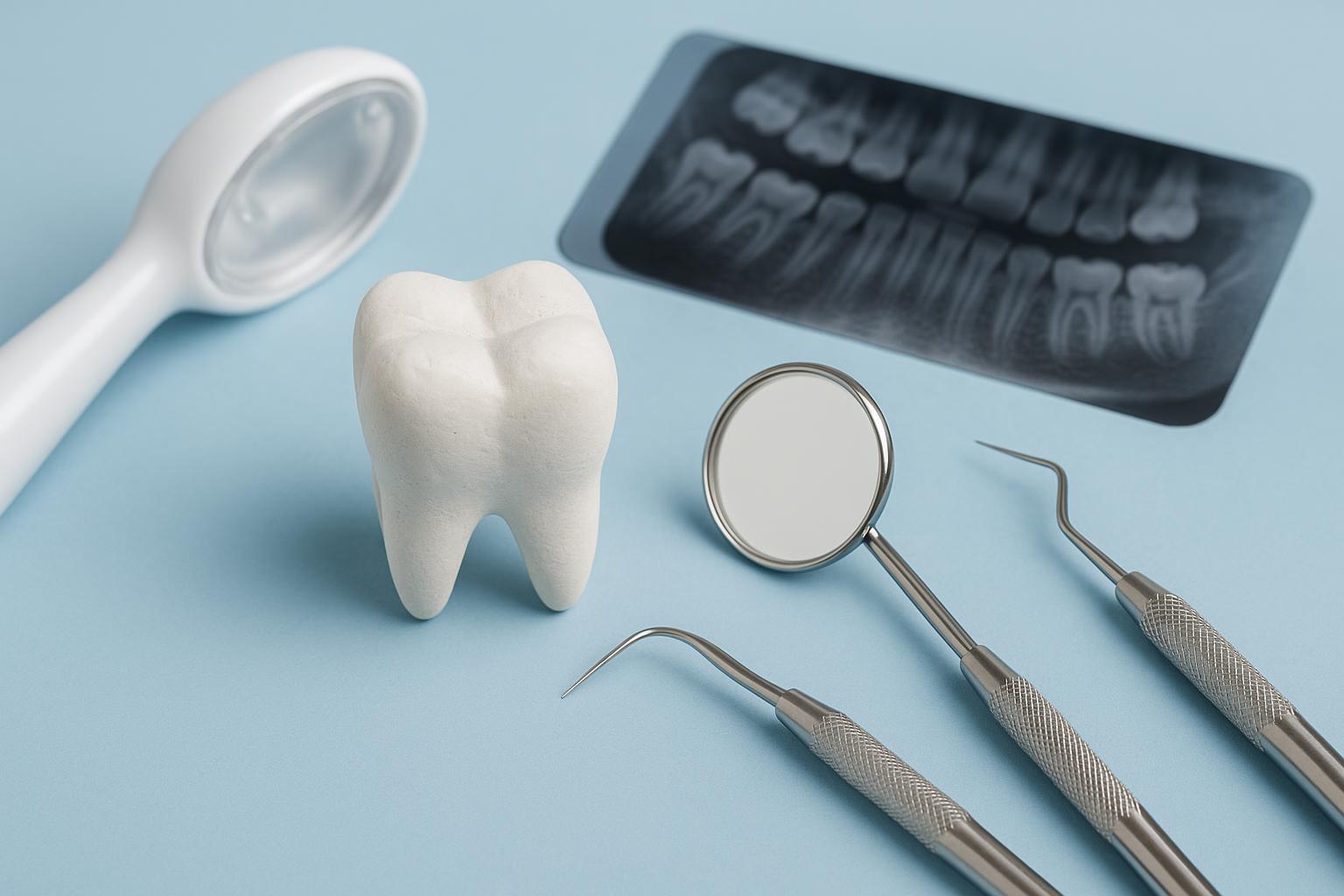
During a screening, your dentist looks at three main things. Teeth. Gums. Mouth tissues. You may also get X-rays when needed. Each part tells a story about your health.
According to the Centers for Disease Control and Prevention, untreated cavities and gum disease are common in children and adults. Many problems stay hidden for a long time. Regular screenings catch these early. That keeps pain low and treatment simple.
Here is what usually happens during a visit.
- Your health history gets a quick review.
- Your teeth get checked for wear, cracks, and decay.
- Your gums get checked for swelling, bleeding, and pockets.
- Your tongue, cheeks, and throat get checked for spots or sores.
- Your bite gets checked to see how your teeth meet.
Each step gives clear facts about your mouth. Facts replace fear. You stop guessing. You start planning.
Confidence Starts With Early Answers
Fear often grows in silence. When you avoid the dentist, small issues grow in your mind. You may imagine worst outcomes. You may feel stuck or guilty. Regular screenings break that cycle.
With early answers, you gain three strong benefits.
- You know the truth about your mouth.
- You know what to do next.
- You know, problems are still small.
This knowledge builds calm. You walk out with a clear plan instead of questions. That plan might be as simple as brushing longer or coming back for a quick filling. Either way, you leave with direction. Direction builds confidence.
The Link Between Oral Health And Self-Worth
Your mouth affects how you eat, speak, laugh, and greet people. When you hide your teeth, you may pull back from others. You may avoid photos or close talks. Over time, that can crush your self-worth.
Regular screenings protect three key parts of your daily life.
- Your smile. Fewer stains, chips, and missing teeth.
- Your comfort. Less pain, swelling, and bleeding.
- Your breath. Less odor that makes you hold back.
As these improve, you show up more in family moments, school events, and work meetings. You laugh louder. You eat without worry. You speak without covering your mouth. That steady change feeds a stronger sense of self.
Screenings For Every Stage Of Life
Oral health needs shift as your body changes. The U.S. National Institute of Dental and Craniofacial Research explains that risks rise and fall across your lifespan.
Regular screenings fit each stage in a clear way.
- Children learn clean habits and gain trust in the chair.
- Teens manage braces, sports injuries, and sugar intake.
- Adults watch for grinding, stress, and gum disease.
- Older adults manage dry mouth, medication effects, and tooth loss.
At every stage, screenings help you feel less alone. You get straight talk and simple tools that match your life right now.
How Routine Visits Build Trust And Calm
Trust grows through repeated safe contact. Each screening is one more proof that you can handle care. You sit down. You get checked. You talk. Then you walk out. Nothing awful happens. That pattern reshapes old fear.
Here are three confidence shifts that show up over time.
- You stop dreading the appointment date.
- You start asking clear questions about your health.
- You begin to feel proud of your oral care routine.
Trust also grows when your dentist remembers your history and your worries. That steady memory shows respect. Respect builds dignity. Dignity feeds confidence.
Health And Confidence Comparison Table
The table below shows how regular screenings compare with rare or emergency-only visits.
| Pattern Of Dental Visits | Common Oral Health Results | Typical Emotional Impact |
|---|---|---|
| Screenings every 6 to 12 months | Small cavities caught early. Gum issues are mild. Fewer extractions. | More calm before visits. Sense of control. Growing pride in self-care. |
| Visits only when in pain | More severe decay. Advanced gum disease. Higher chance of root canals. | Rising fear. Shame about waiting. Feeling judged or helpless. |
| Many years without any visit | Hidden infections. Loose teeth. Problems that may affect whole body health. | Deep worry. Avoidance. Low confidence in smile and appearance. |
This comparison shows a clear pattern. Regular screenings protect your mouth and your mood. Rare visits often lead to bigger treatment and heavier emotions.
Simple Steps To Start Strong
If it has been a long time, you may feel nervous about going back. That feeling is common. You can still move forward.
Use three simple steps.
- Call and schedule a screening. Tell the office it is your first visit in a while.
- Write down your questions. Bring a short list so you do not forget.
- Set a reminder after the visit for your next screening date.
You do not need a perfect mouth before you get care. The point of a screening is to start where you are. Each visit is one step toward better health and stronger confidence.
Building A Future Of Steady Confidence
Regular oral health screenings are simple. You sit in a chair for a short time a few times each year. Yet the effect reaches far past your teeth. You gain clear facts, early care, and a healthy smile you can share without fear.
Over time, these visits reshape how you see yourself. You stop feeling broken. You start feeling capable. You become someone who takes action and protects health. That identity is powerful. It stays with you long after you leave the office.
